Electric two-seat regulating valves play a pivotal role in modern industrial systems, particularly in processes where fluid flow needs to be controlled with high precision and reliability. As the name suggests, these valves combine an electric actuator with a dual-seating design to provide more efficient regulation of fluid flow in various applications. This article delves into the structure, function, and advantages of electric two-seat regulating valves, highlighting their importance in achieving optimal performance across industries.
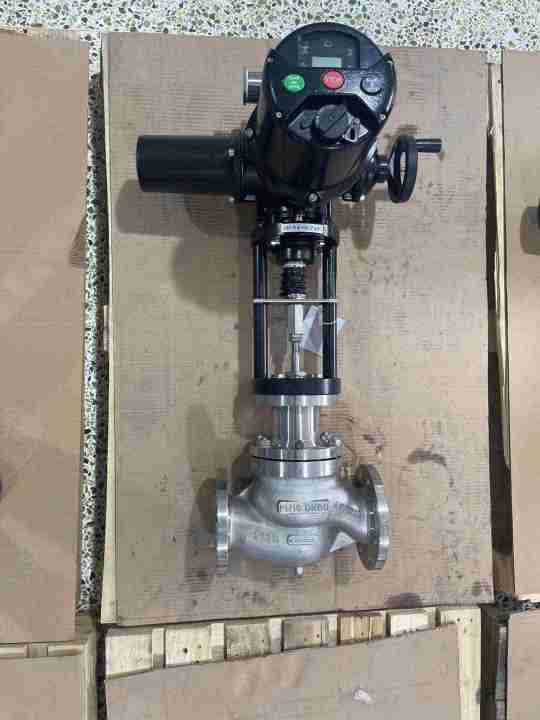
What is an Electric Two-Seat Regulating Valve? An electric two-seat regulating valve is a device designed to control the flow of fluids—such as liquids, gases, or steam—by adjusting the position of two valve seats. These valves are equipped with electric actuators, which receive control signals from a process controller and precisely adjust the valve’s position in response to real-time changes in the system. The dual-seating design improves sealing and enhances control performance, making them ideal for applications that require consistent and reliable flow regulation. Key Features and Components