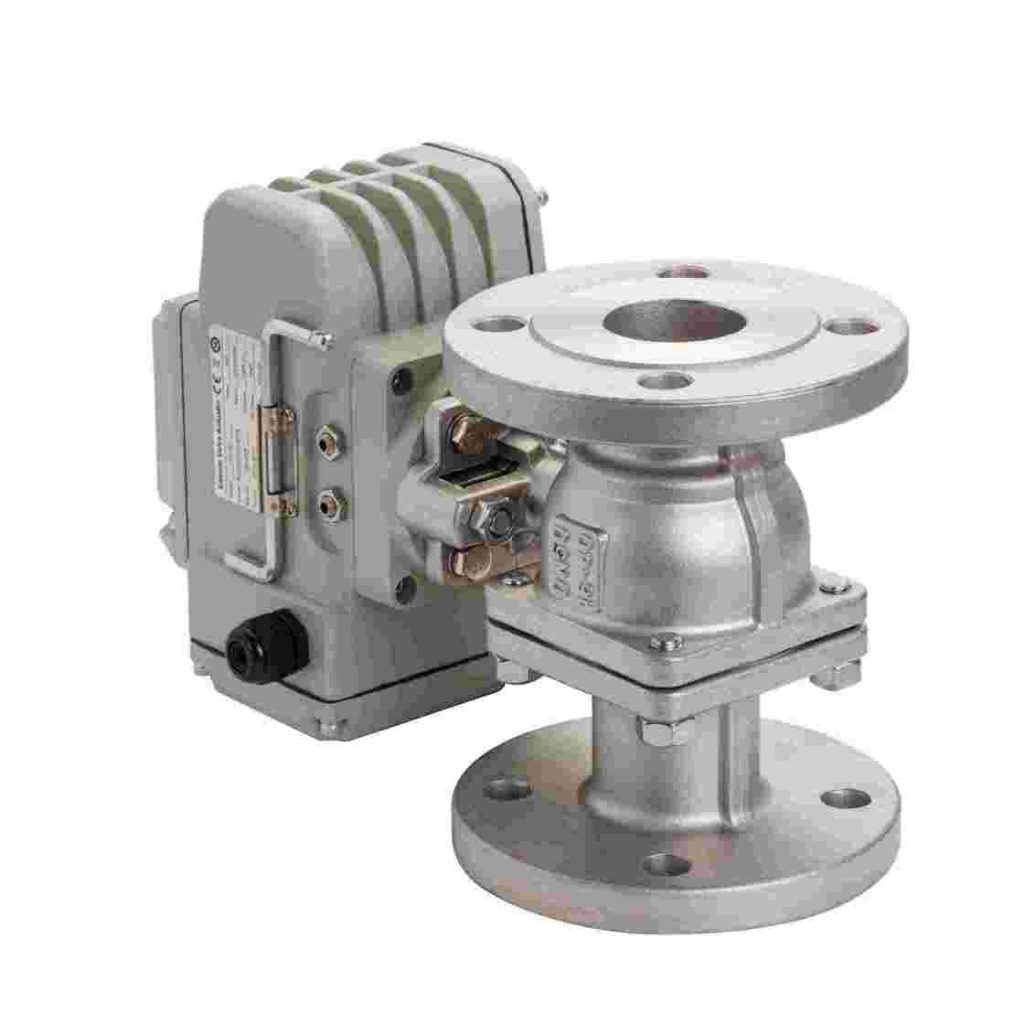
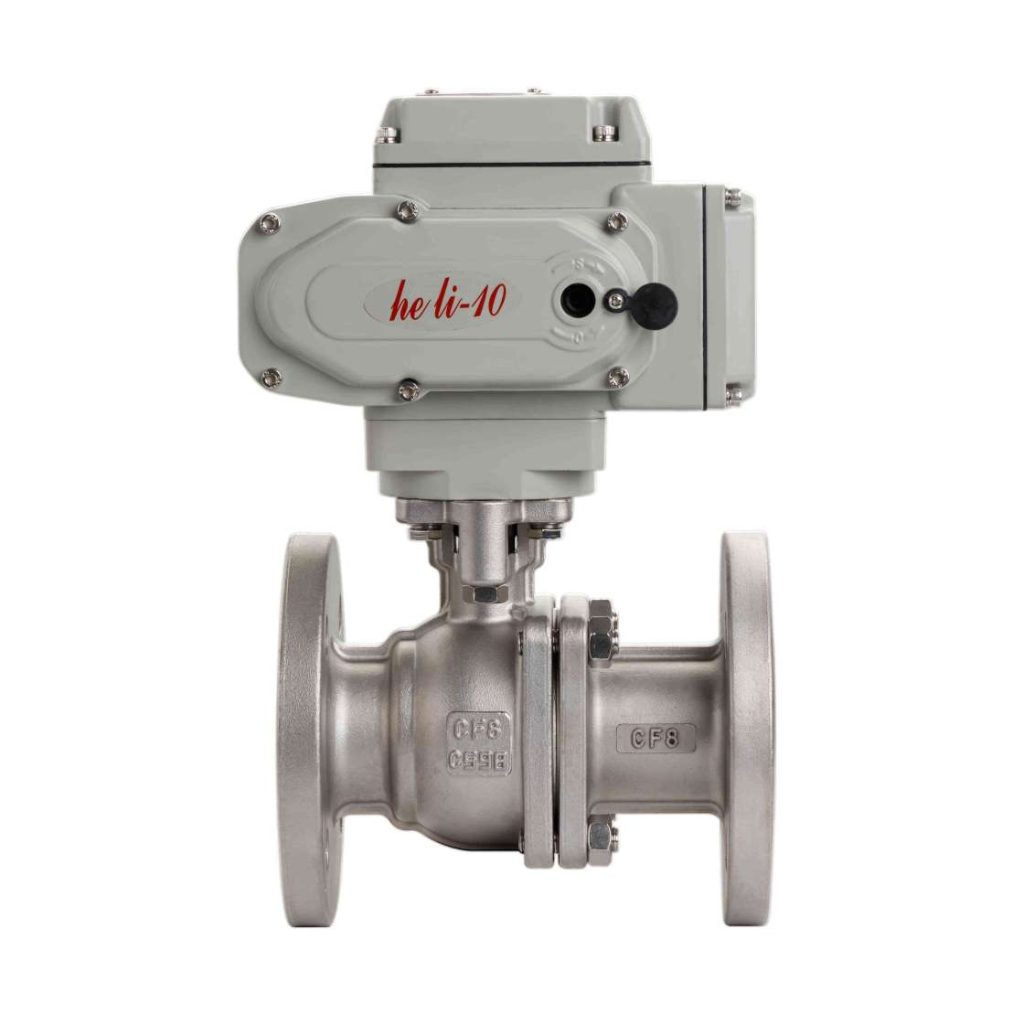
The Electric Stainless Steel Flange Ball Valve is an essential component in modern industrial systems, offering superior performance, durability, and control in fluid handling applications. It combines the mechanical advantages of a traditional ball valve with the automation and precision of an electric actuator, making it a preferred choice in various industries. This article explores the key features, advantages, applications, and considerations when choosing an electric stainless steel flange ball valve.
Key Features of Electric Stainless Steel Flange Ball Valve
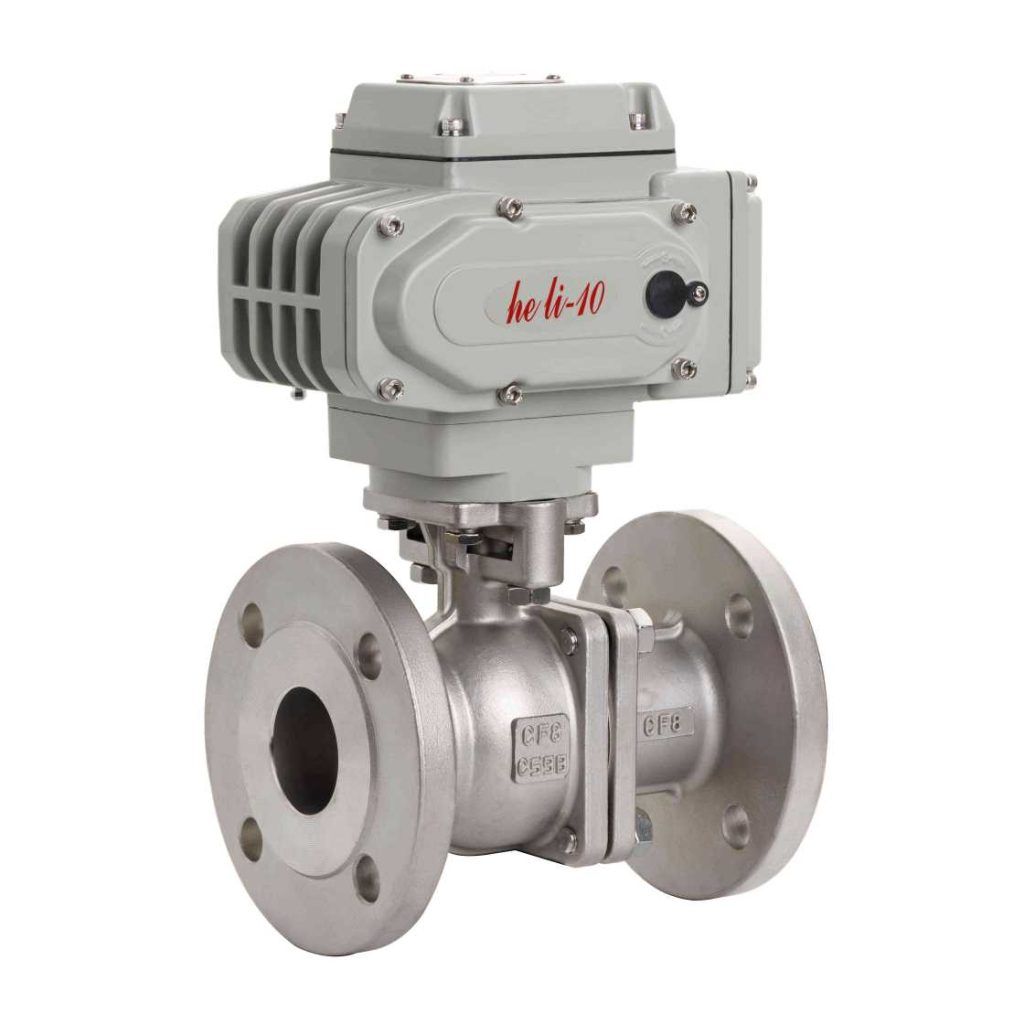
At its core, the Electric Stainless Steel Flange Ball Valve functions as a flow control device, featuring a spherical ball with a hole through the middle. The ball is positioned inside the valve body and rotates to either allow or block fluid flow. The valve’s operation is controlled by an electric actuator, which opens or closes the valve based on electrical signals. Material Selection: The valve body and ball are typically made of high-quality stainless steel, such as 304, 316, or higher grades, known for their excellent corrosion resistance and strength. This makes the valve suitable for harsh environments, including chemical, food, pharmaceutical, and petroleum industries, where corrosion resistance is critical.