In the world of industrial fluid control, the Electric Single Seat Regulating Valve plays a critical role in ensuring the precise regulation of flow in various systems. This valve, designed to provide tight shut-off and accurate flow control, is widely used across different sectors, including oil and gas, chemical processing, water treatment, and HVAC systems. In this article, we will explore the essential aspects of Electric Single Seat Regulating Valves and delve into the role of OEM manufacturers in delivering customized and high-quality solutions to meet specific customer needs.
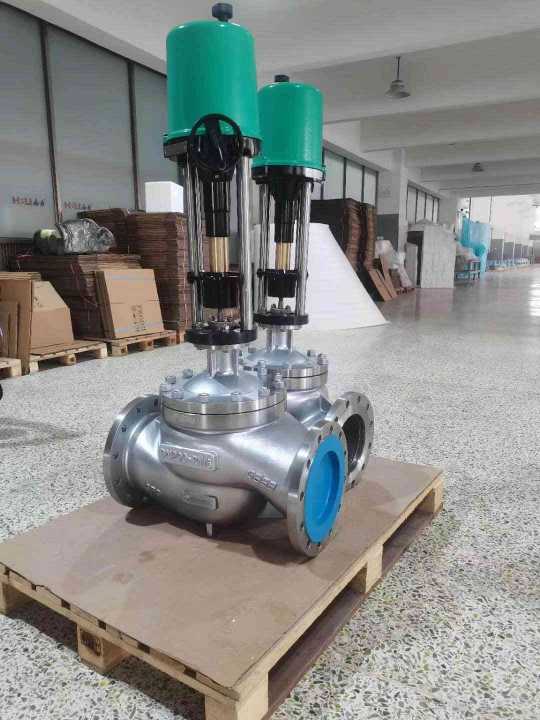
What is an Electric Single Seat Regulating Valve? An Electric Single Seat Regulating Valve is a type of control valve that utilizes an electric actuator to control the flow of fluids in a piping system. The “single-seat” design refers to the structure where the valve has a single sealing surface that helps in controlling the flow and shutting off leaks when the valve is closed. This design allows for tighter sealing and less leakage, making it ideal for applications where precision and reliability are paramount. Electric actuators are used in these valves to automate the opening and closing process. Unlike manual valves, which require human intervention, electric actuators enable remote or automated control, offering the benefit of real-time adjustments and monitoring of fluid flow.