The Electric Single Seat Regulating Valve (ESSRV) is a critical component in various industrial processes that require precise control of fluid flow, pressure, or temperature. In this article, we will explore the construction, working principles, advantages, and typical applications of these valves, shedding light on why they are an essential part of modern industrial automation systems.
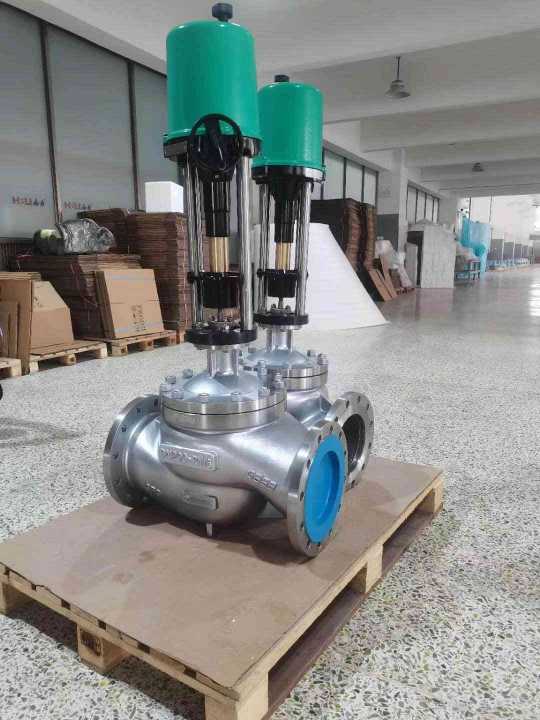
1. Introduction to Electric Single Seat Regulating Valves An Electric Single Seat Regulating Valve is a type of valve designed to regulate the flow of fluids using an electric actuator. The term “single seat” refers to the valve’s structure, where only a single valve seat is present, offering a direct flow path with minimal turbulence. These valves are commonly used in applications where accurate and efficient control over fluid movement is required, such as in chemical, petrochemical, pharmaceutical, and HVAC systems. Unlike traditional valves that may be operated manually, the ESSRV is driven by an electric actuator, which provides precise, automated control. This automation ensures that the valve responds quickly to changes in the control signal, making it ideal for integration into automated control systems.