Electric single seat regulating valves are a critical component in modern fluid control systems. These valves are widely used across various industries for regulating the flow of liquids, gases, and steam, with a focus on precision and efficiency. By utilizing an electric actuator to control the valve’s position, these valves provide a reliable and accurate means of controlling the flow of media in automated systems. In this article, we will explore the working principles, structure, advantages, and applications of electric single seat regulating valves.
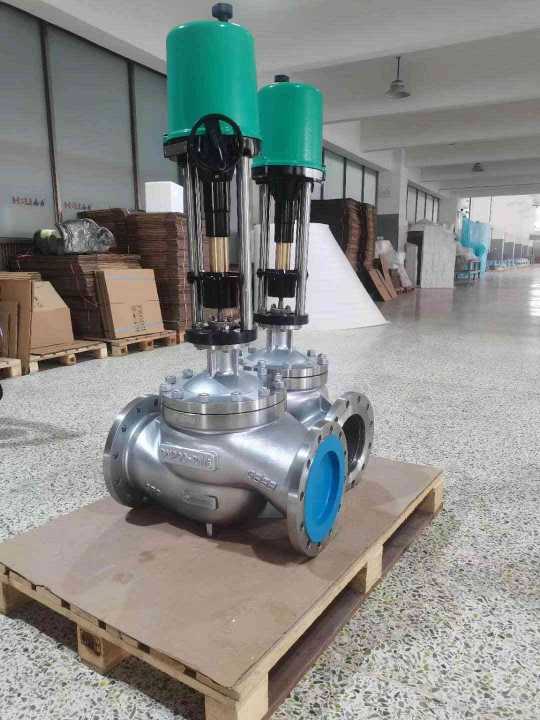
1. What is an Electric Single Seat Regulating Valve? An electric single seat regulating valve is a type of control valve designed to regulate the flow of fluids through a pipeline. The term “single seat” refers to the valve’s structure, where the valve plug (or disk) seats onto a single valve seat to control the flow. The valve is operated by an electric actuator that adjusts the position of the valve plug in response to control signals, typically in the range of 4-20 mA or 0-10 V. These valves are often used in systems requiring precise flow control and can be integrated into automated control loops for real-time adjustments.