In today’s industrial landscape, the demand for precise and efficient fluid control mechanisms has never been higher. The Electric Pinch Valve has emerged as a revolutionary component, particularly suited for applications involving slurries, powders, and other viscous materials. This article delves into the functionality, advantages, and applications of electric pinch valves, illustrating why they are becoming a staple in modern fluid management systems.
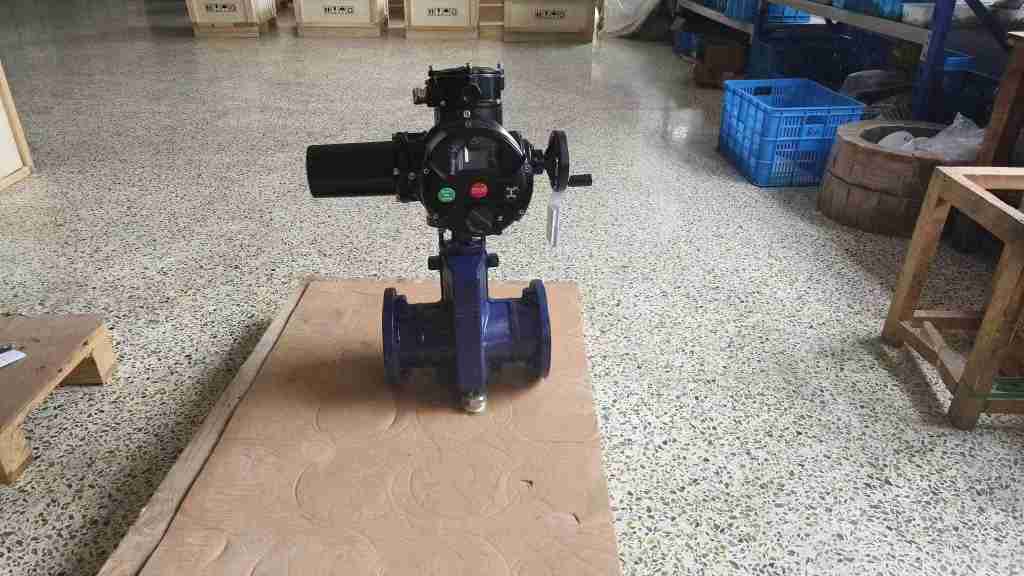
Understanding Electric Pinch Valves An Electric Pinch Valve operates on a simple yet effective mechanism: it controls the flow of fluid through the manipulation of a flexible tube or liner. The valve employs a pair of actuators that, when energized, apply pressure to the tube, creating a pinch that restricts or completely stops the flow of the fluid. This design not only allows for precise flow control but also eliminates many of the common drawbacks associated with traditional valve designs. These valves are typically constructed with a soft-elastomer liner that is resistant to wear and corrosion, making them particularly suitable for harsh industrial environments. The electric actuator is usually integrated with a control system that can be easily programmed to respond to varying flow requirements, allowing for automatic adjustments as needed.