The fluid control industry has undergone significant advancements over the years, with one of the most notable developments being the electric pinch valve. Known for its ability to control the flow of fluids or gases with precision, the electric pinch valve is now an indispensable component in various industries, including chemical, pharmaceutical, food processing, water treatment, and many others. This article delves into the electric pinch valve, the role of manufacturers in its production, and how these valves contribute to enhanced operational efficiency and safety.
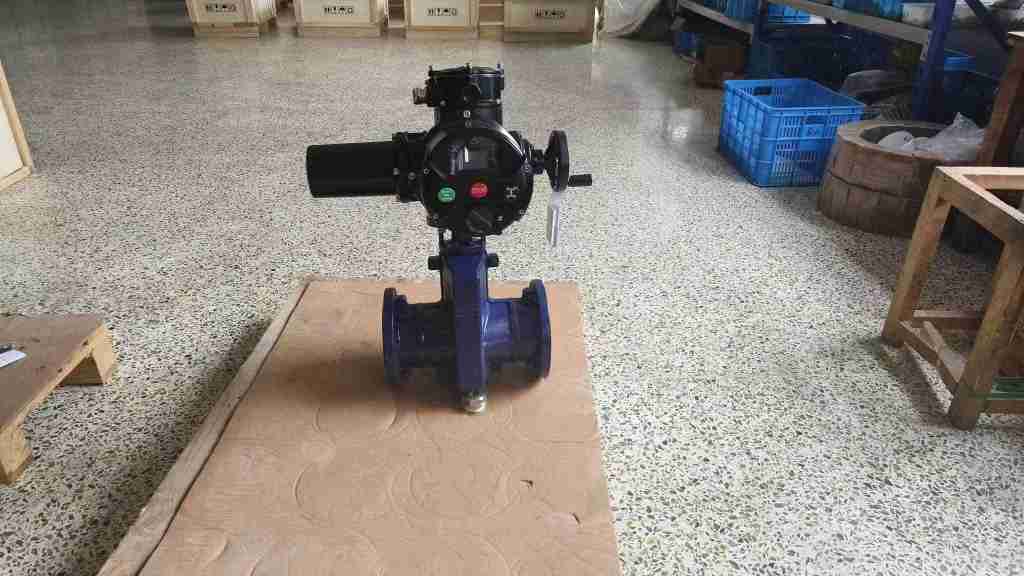
Understanding the Electric Pinch Valve An electric pinch valve is a type of valve that regulates the flow of liquids or gases through a pipeline. Unlike traditional valves, which use mechanical mechanisms such as gates, balls, or discs to control flow, pinch valves use a flexible sleeve or hose that can be compressed to block or restrict the flow of the media. The compression and decompression are driven by an electric actuator, making the valve highly efficient and suitable for precise control applications. The primary feature of an electric pinch valve is its simplicity in design, which allows it to function without the complex moving parts found in other valve types. This makes it a preferred choice in systems that handle highly viscous, abrasive, or corrosive fluids. The valve operates by squeezing the flexible material of the sleeve, which then stops the flow of the medium. When the valve is released, the flow resumes. The electric actuator, which controls the opening and closing of the valve, provides precise control over the flow rate, pressure, and even the direction of the media.