Electric pinch valves are an innovative solution for fluid and gas flow regulation in various industries, including food processing, pharmaceuticals, chemical manufacturing, and water treatment. Unlike traditional valves, which rely on mechanical gates, balls, or discs to control the flow, electric pinch valves use a flexible tube that is pinched or relaxed by an electric actuator to control the passage of the medium. This unique design offers several advantages, making electric pinch valves an essential component for systems requiring high precision, contamination control, and minimal maintenance.
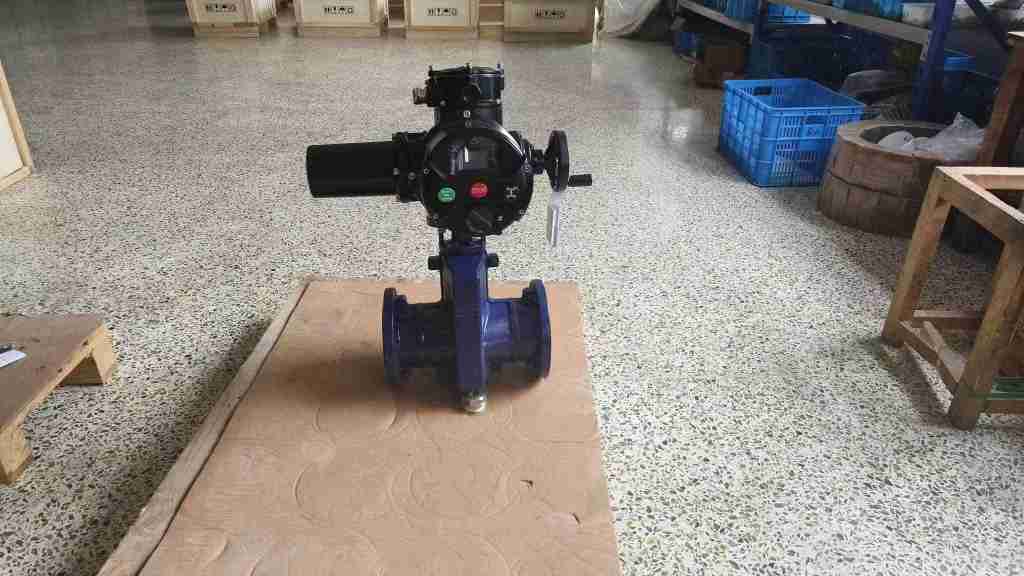
Structure and Operation of Electric Pinch Valves An electric pinch valve typically consists of three main components: a flexible tube, an electric actuator, and a control system. The flexible tube, often made from elastomeric materials such as rubber, silicone, or thermoplastic elastomers, is positioned within a housing that allows it to be pinched. The electric actuator, which may be a motor or a solenoid, applies force to compress the tube at specific points, regulating the flow of fluid inside the tube. When the actuator is activated, it pinches the tube, effectively sealing it and stopping the flow of the medium. Conversely, when the actuator is de-energized, the pinch is released, and the tube returns to its original shape, allowing fluid or gas to flow freely. The amount of force applied to the tube can be adjusted to control the flow rate, offering precise control over the medium passing through the valve.