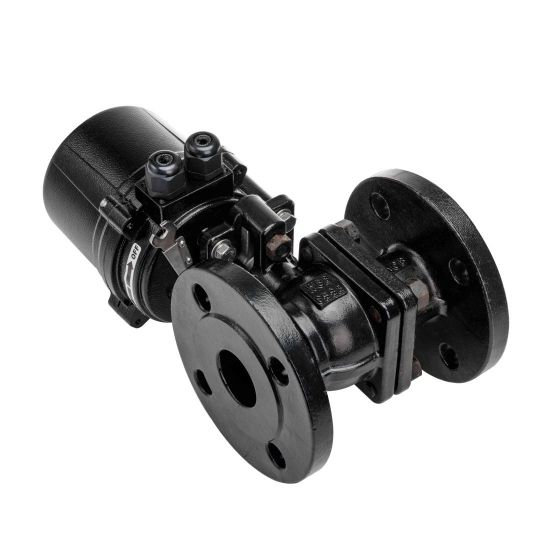
Electric high-temperature ball valves are essential components in industries where high-temperature fluids need to be precisely controlled. They combine the reliability and performance of ball valves with the convenience of electric actuators, offering automated control in extreme environments. These valves are widely used in applications that require the handling of high-temperature liquids, gases, or steam, making them vital in fields such as petrochemical, power generation, metallurgy, and steel production. This article explores the design, features, benefits, and applications of electric high-temperature ball valves.
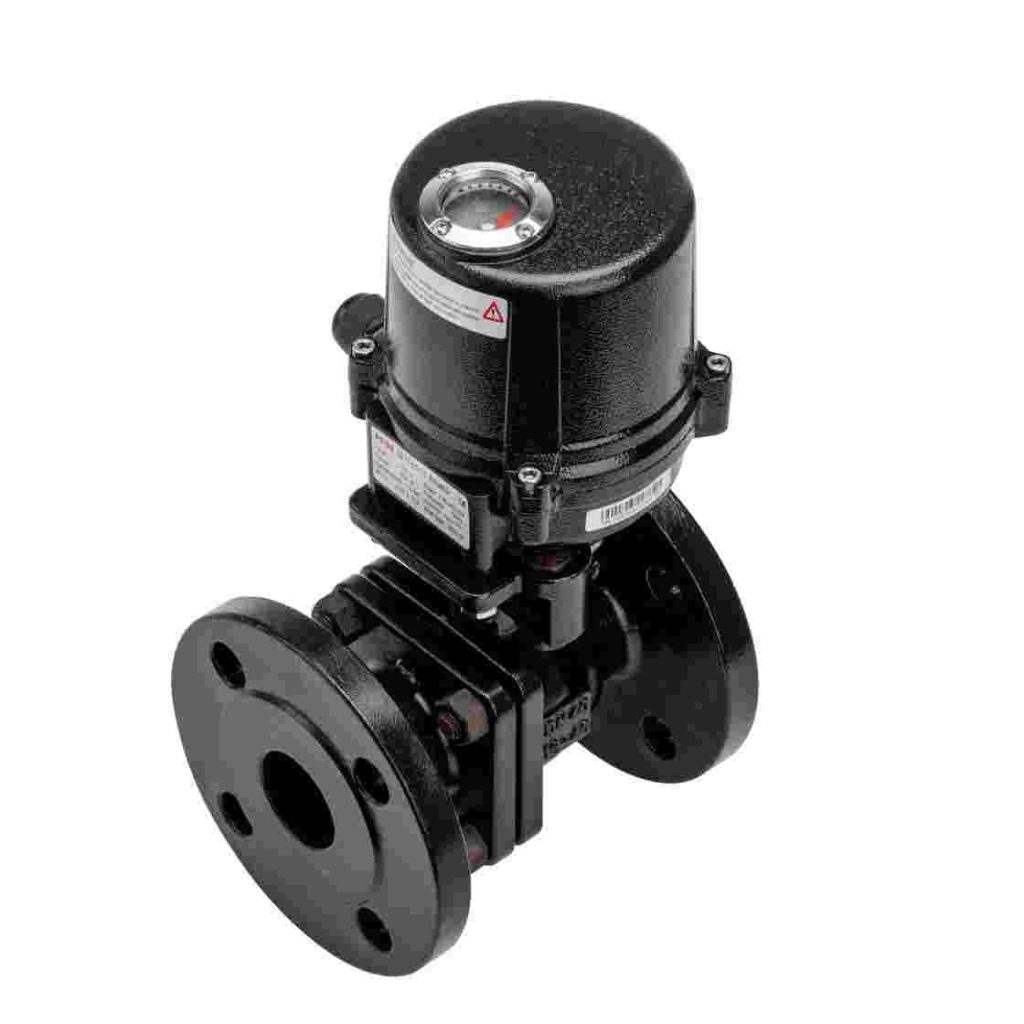
Design and Construction
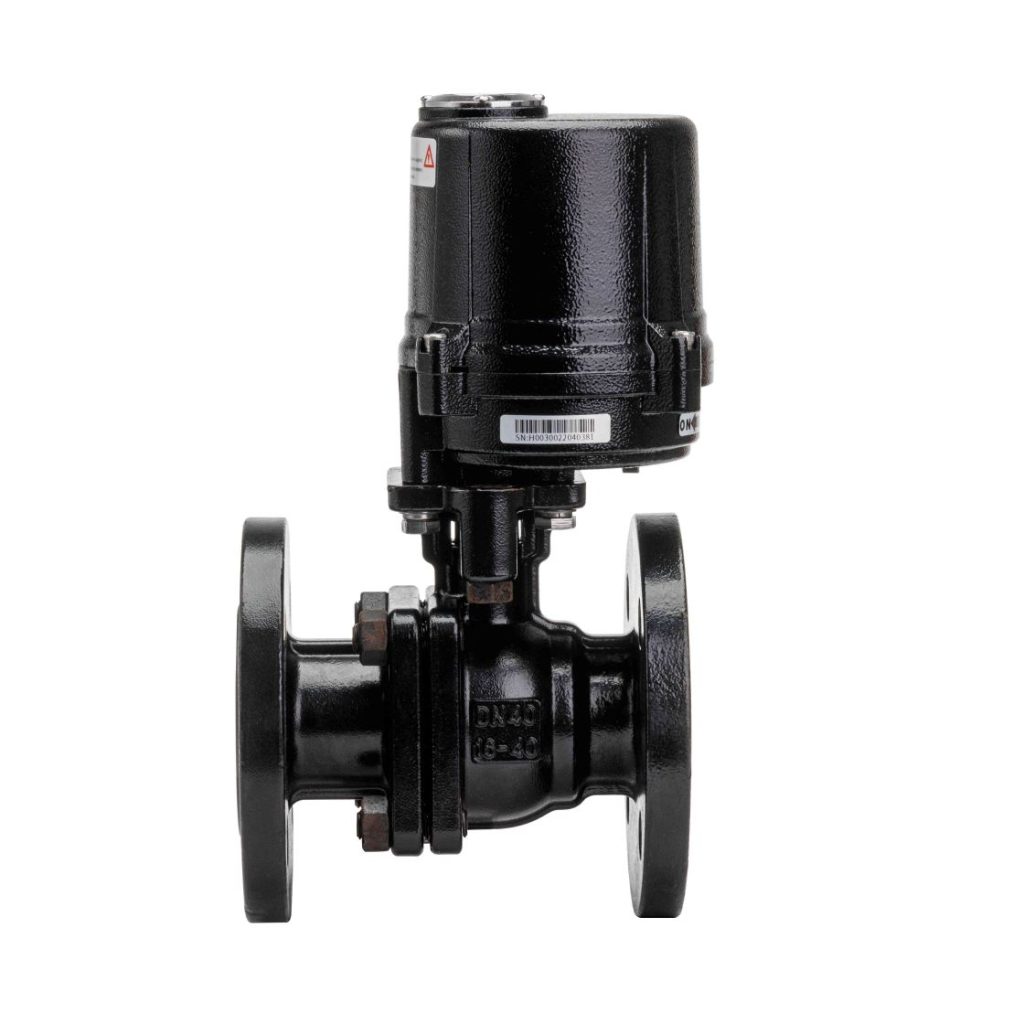
The construction of electric high-temperature ball valves is engineered to withstand extreme heat and maintain long-term performance. The valve body, ball, and seats are typically constructed from high-alloy stainless steel or specialized metals that can endure temperatures ranging from 200°C to over 1000°C. The high-temperature resistant materials ensure that the valve performs efficiently under the most demanding conditions. One of the key design features of these valves is their use of electric actuators. Unlike traditional manual or pneumatic valve actuators, electric actuators allow for precise and easy control of valve operation, making them ideal for automated systems. The actuator is powered by electric current and can be integrated into control systems that monitor and adjust flow rates, pressures, and temperatures without the need for manual intervention. This makes them particularly useful in industrial processes where remote monitoring and operation are required.