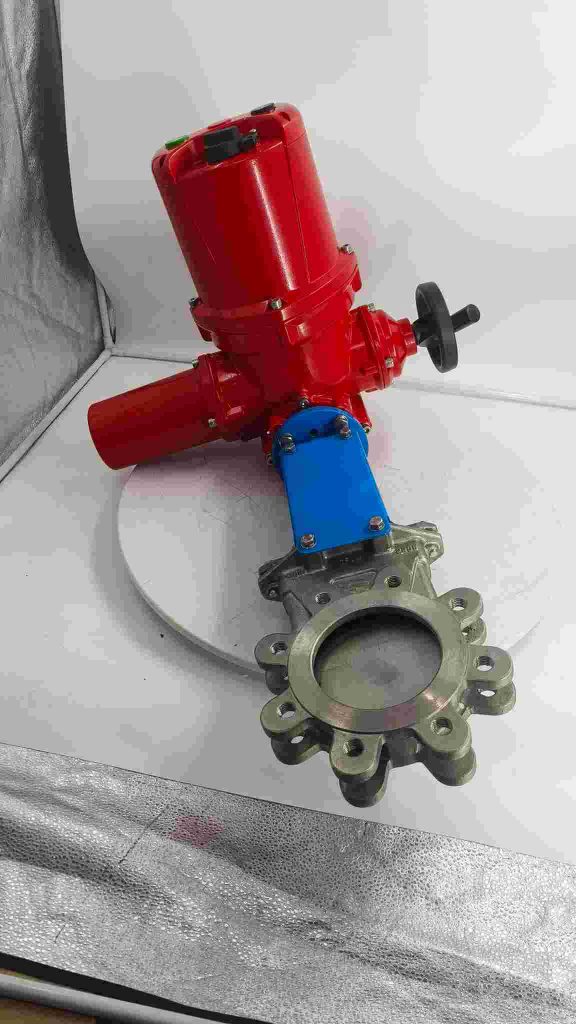
Electric gate valves are critical components in industrial fluid control systems, offering precise, reliable, and automated control of fluid flow in various sectors, including oil, gas, water treatment, chemical processing, and power generation. These valves operate by utilizing electric actuators to open and close the gate mechanism, providing a higher level of automation and remote control capabilities compared to traditional manual valves. This article explores the key features, working principles, applications, and advantages of electric gate valves.
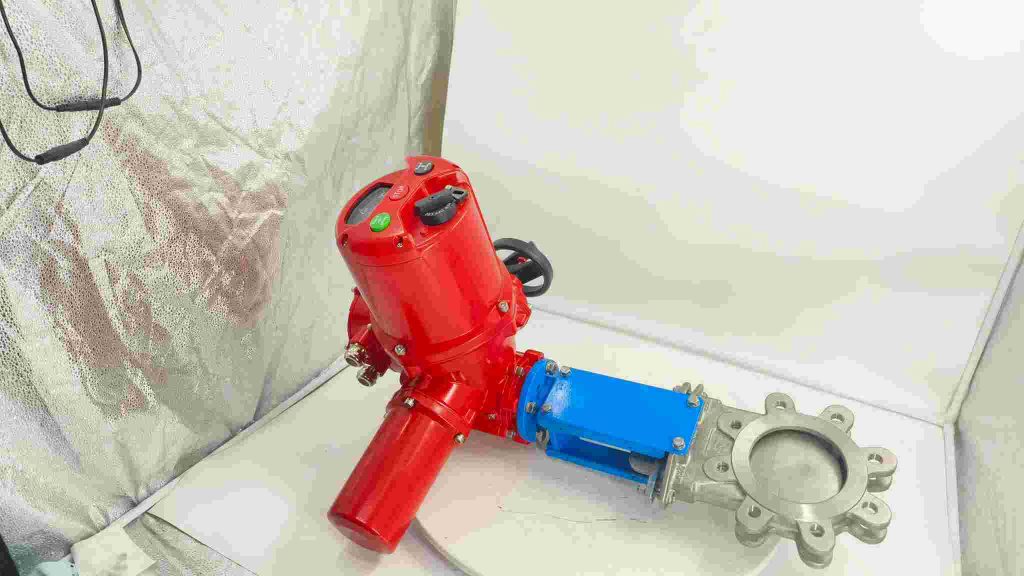
Key Features of Electric Gate Valves
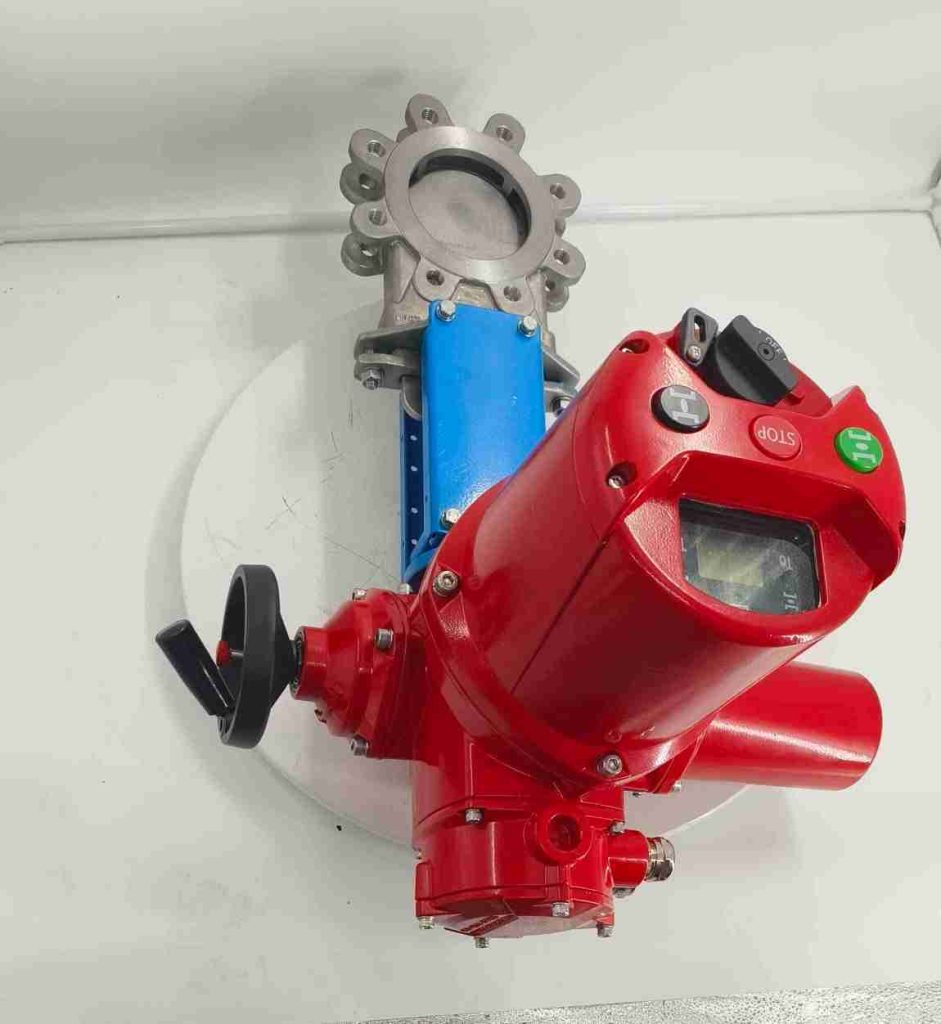
Automated Operation: Electric gate valves are equipped with an electric actuator that enables automated valve control. This eliminates the need for manual operation, making the valve suitable for remote locations or applications requiring frequent adjustments. The actuator responds to signals from control systems, allowing for seamless integration into automated systems. High Sealing Capability: One of the significant advantages of electric gate valves is their excellent sealing ability. With a robust sealing design, these valves ensure minimal leakage, even under high-pressure conditions, making them ideal for critical applications such as oil and gas pipelines, where leakage could have serious consequences.