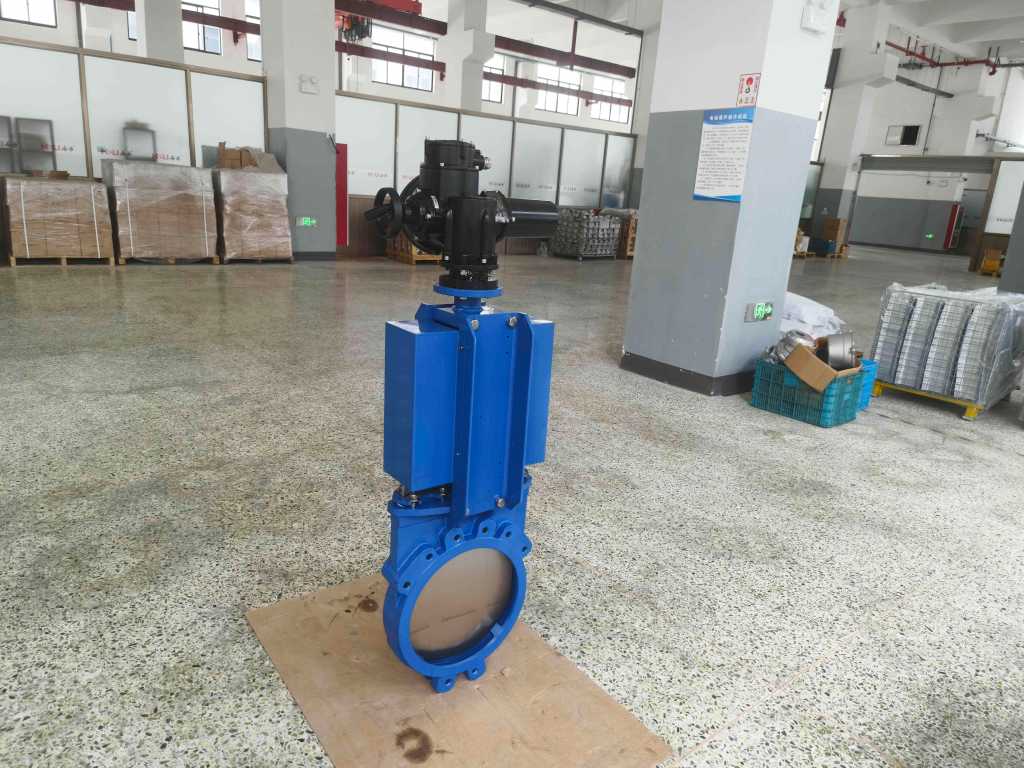
The Electric Flat Gate Valve is an innovative type of valve that integrates traditional gate valve functions with modern electric automation. This valve is widely used in industrial settings where reliable flow control, precise regulation, and automation are crucial. It combines the basic design of a gate valve with an electric actuator, allowing for automated control of fluid flow without the need for manual intervention. This article delves into the working principles, key features, applications, and advantages of the Electric Flat Gate Valve.
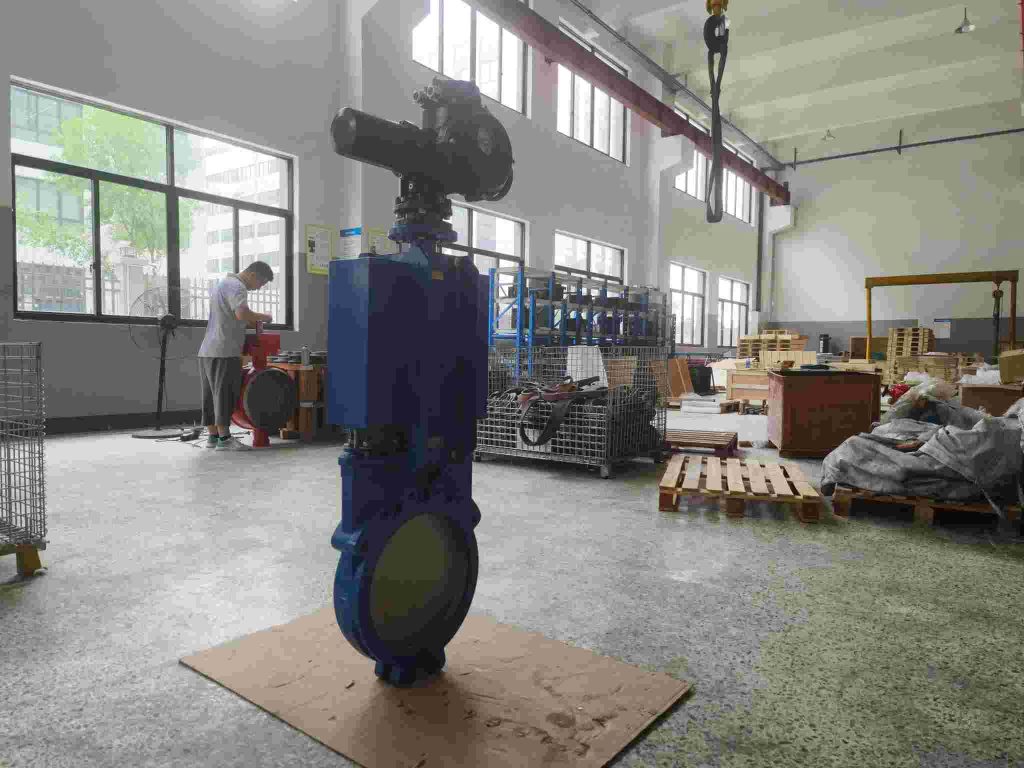
Working Principles of the Electric Flat Gate Valve
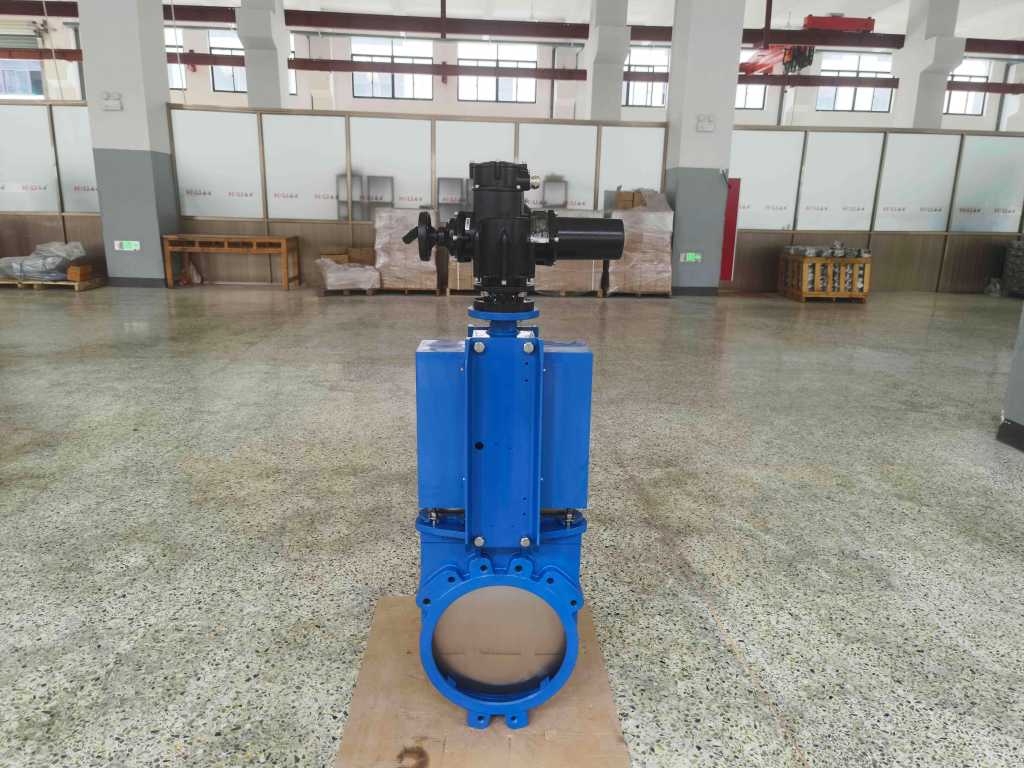
The Electric Flat Gate Valve operates on the same basic principle as a traditional gate valve, with the addition of an electric actuator to automate the opening and closing processes. The core structure of the valve consists of a valve body, a flat gate (or disc), and an electric actuator. The actuator controls the movement of the gate through a rotational motion, which either opens or closes the valve. When the electric actuator receives a signal from a control system (such as a PLC or DCS), it drives a motor that rotates the valve stem, raising or lowering the flat gate. This results in the regulation or complete stoppage of fluid flow through the pipeline. For flow regulation, the actuator adjusts the gate to a precise position, allowing for fine control of the flow rate.