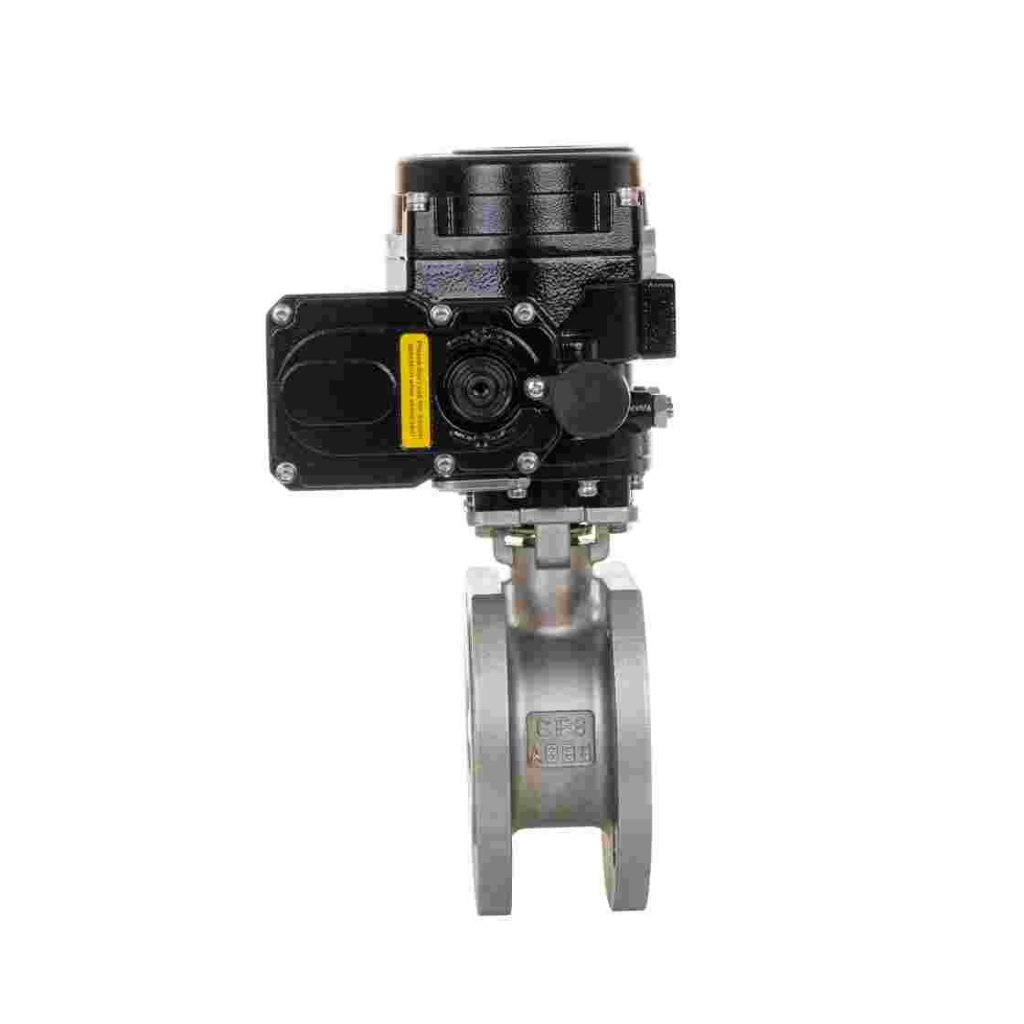
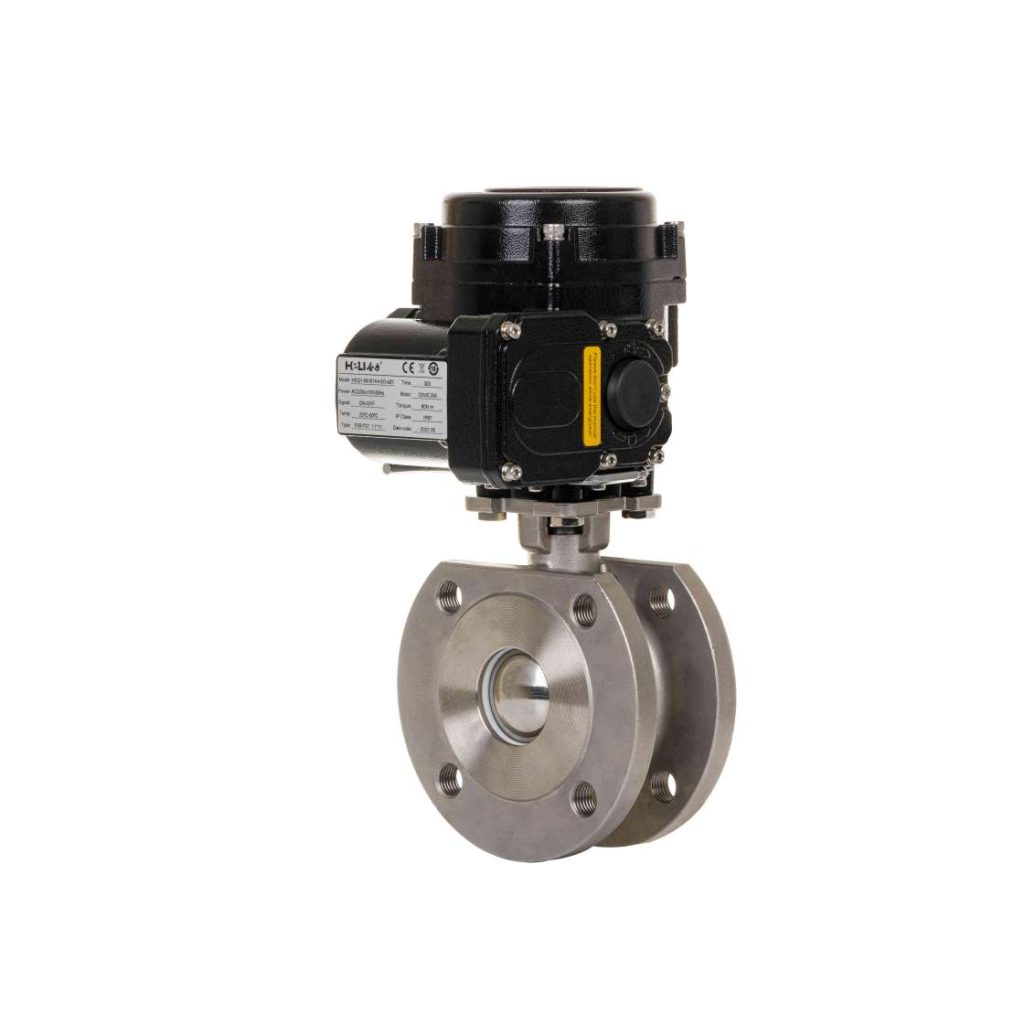
Electric flanged hard seal butterfly valves are critical components in modern industrial systems. These valves are designed to regulate the flow of liquids, gases, and slurries with high efficiency and reliability. Offering a unique combination of performance, durability, and ease of use, electric flanged hard seal butterfly valves are commonly found in applications ranging from water treatment plants to chemical processing industries. This article explores the various aspects of electric flanged hard seal butterfly valves, including their design, advantages, applications, and maintenance.
Design and Functionality
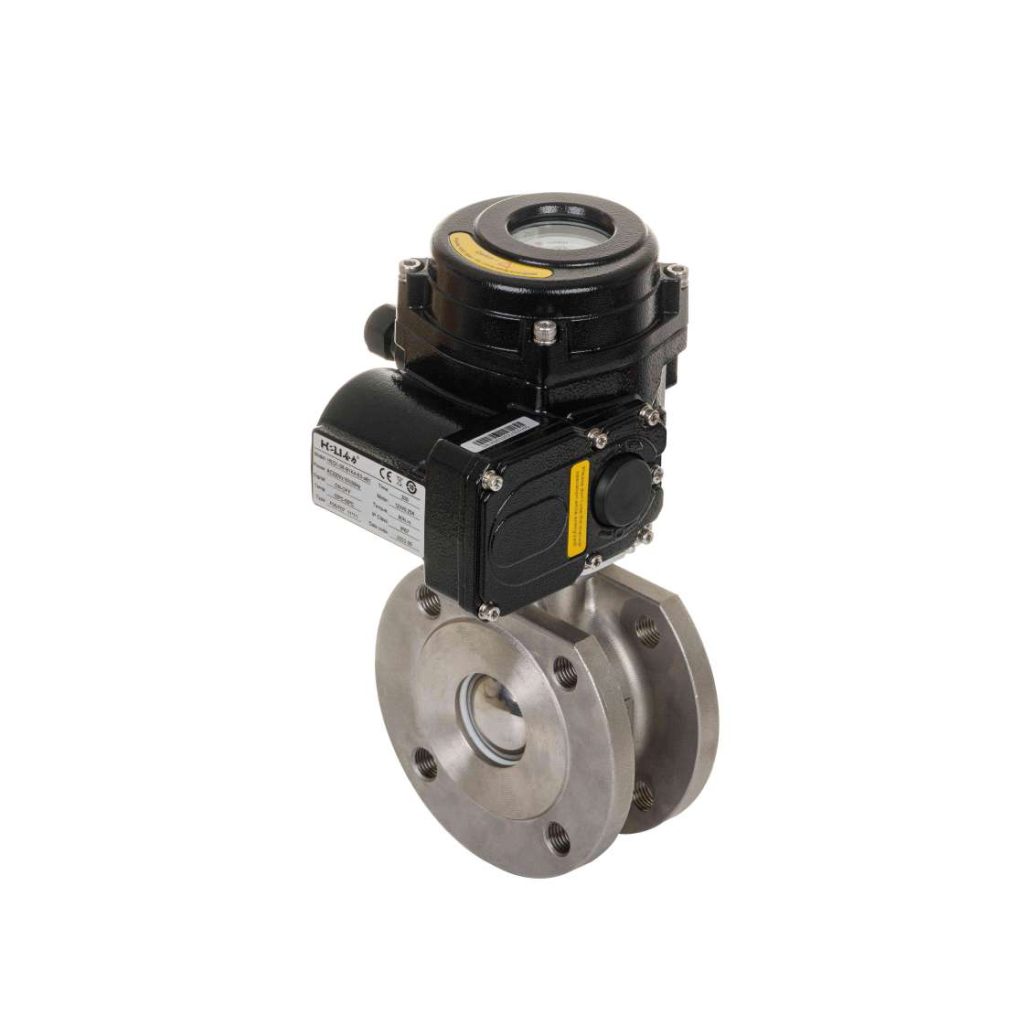
The electric flanged hard seal butterfly valve features a circular disc that rotates around its center to control the flow of substances through the pipe. The valve’s primary function is to either fully open or close the flow path, though it can also regulate the flow when partially open. The “hard seal” refers to the durable sealing mechanism designed to prevent leaks even under high pressure and temperature conditions. These seals typically consist of materials such as metal, which provide enhanced performance in harsh environments. The valve is equipped with an electric actuator, which allows for remote or automated control, making it especially useful in systems where manual operation is impractical or unsafe. The actuator is powered by electric energy and enables the precise control of valve position, making it suitable for applications where accurate flow regulation is essential.