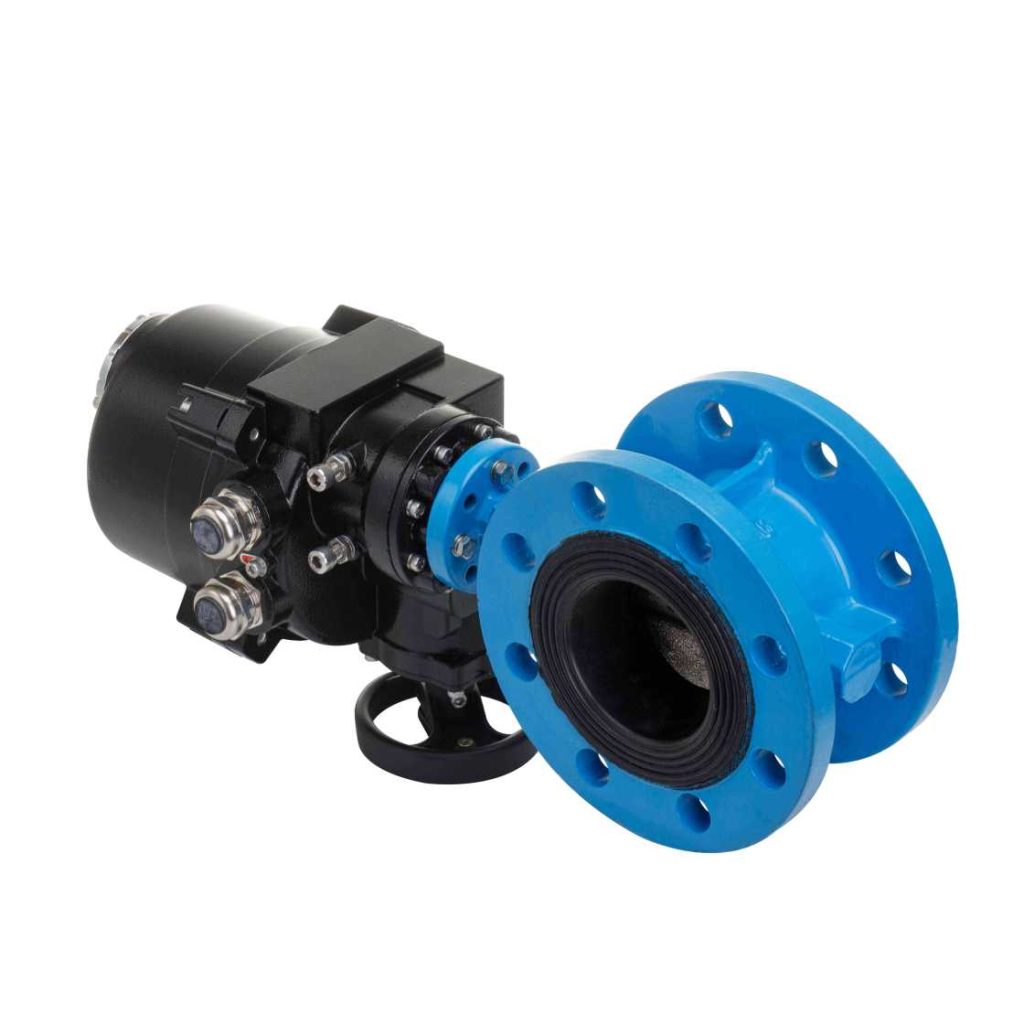
The electric flanged butterfly valve is a critical component used in various industrial applications for regulating the flow of fluids in pipelines. These valves are favored for their simplicity, efficiency, and robust performance across many different sectors, including water treatment, chemical processing, and HVAC systems. In this article, we will explore the construction, operation, benefits, applications, and maintenance of electric flanged butterfly valves.
What is an Electric Flanged Butterfly Valve?
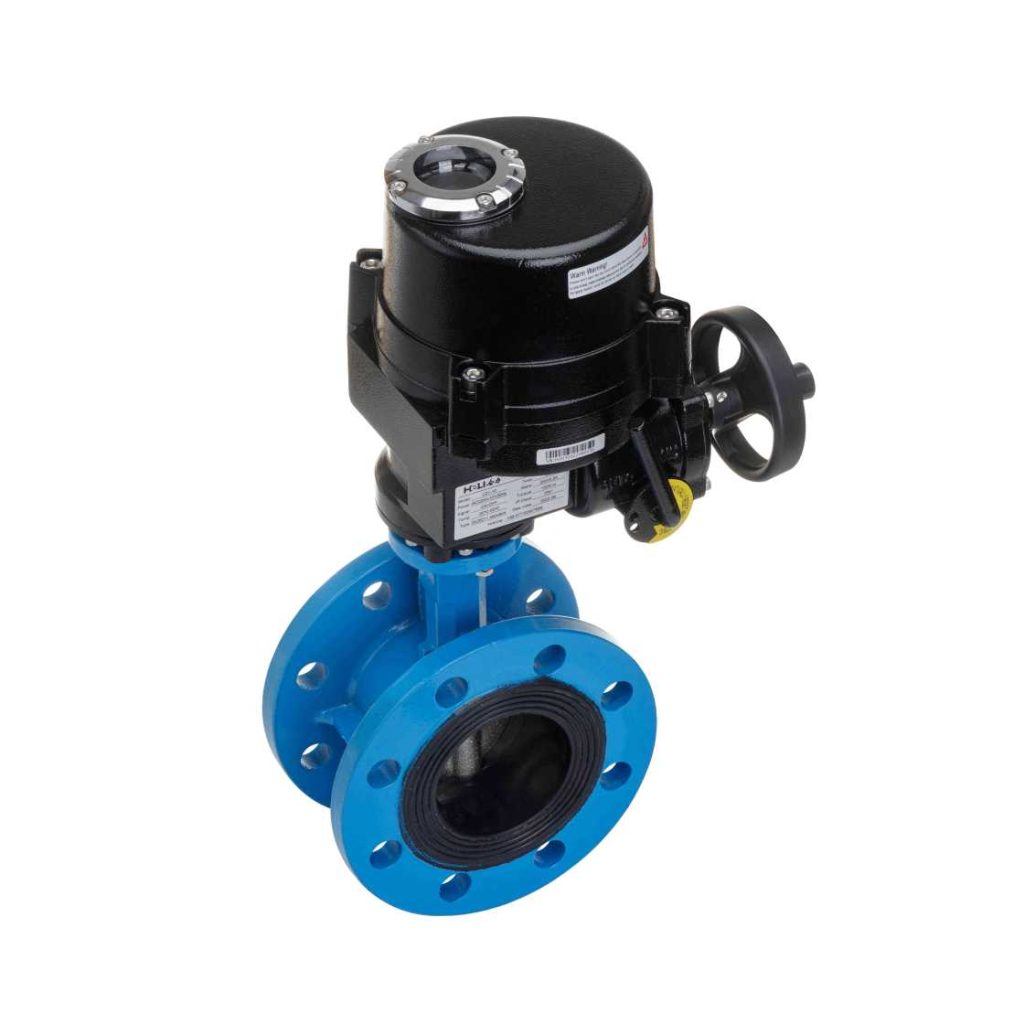
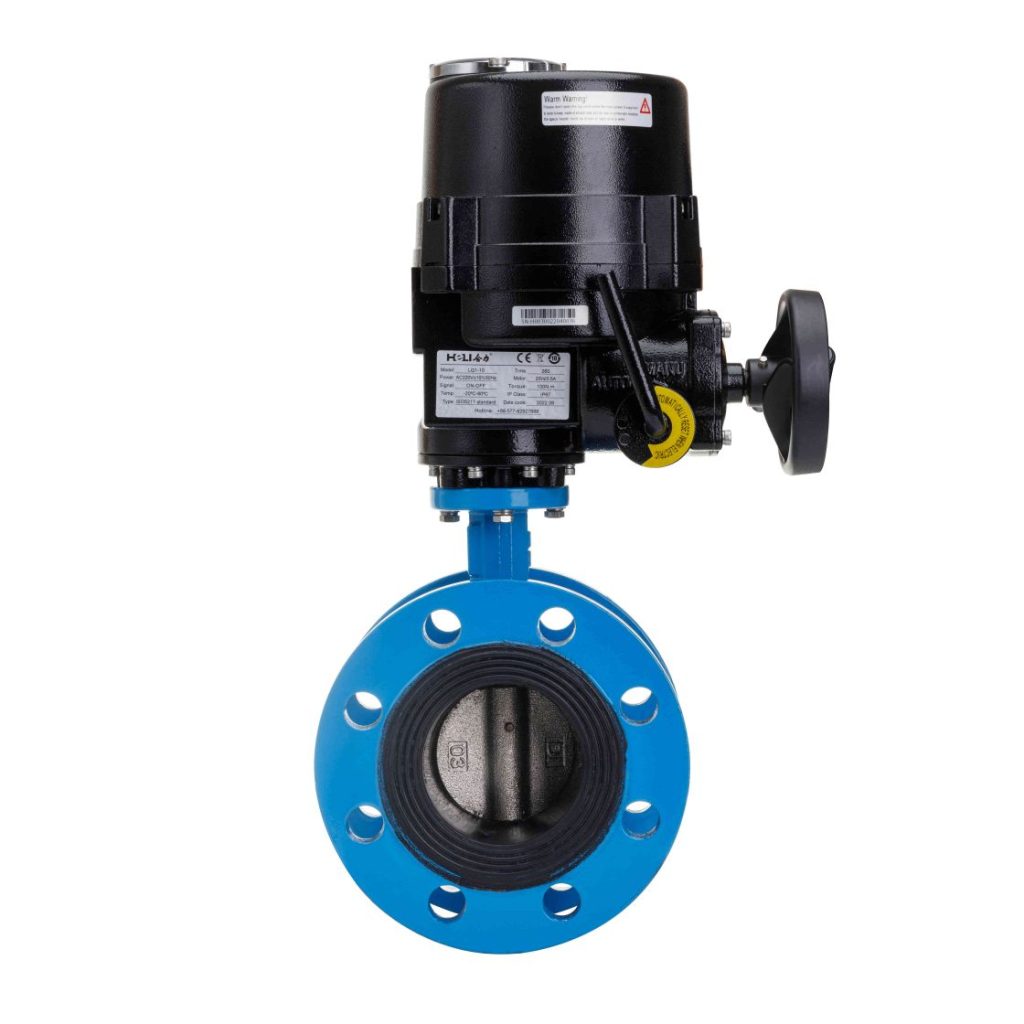
An electric flanged butterfly valve is a type of valve that consists of a circular disc that rotates to open or close the flow path within a pipeline. This valve is designed with flanges on either side, allowing it to be bolted securely to the pipeline. The electric aspect refers to the actuator that operates the valve. The actuator uses electrical energy to turn the valve’s disc, enabling automatic or remote control of the valve without manual intervention. The design of the electric flanged butterfly valve is characterized by its simplicity and efficiency. It is typically composed of a few key components: the valve body, the butterfly disc, the actuator, and the flanges that attach it to the pipe system. The disc, when rotated, can either allow or block the flow of fluids, and the actuator ensures that this process is controlled electronically, usually via a control signal.