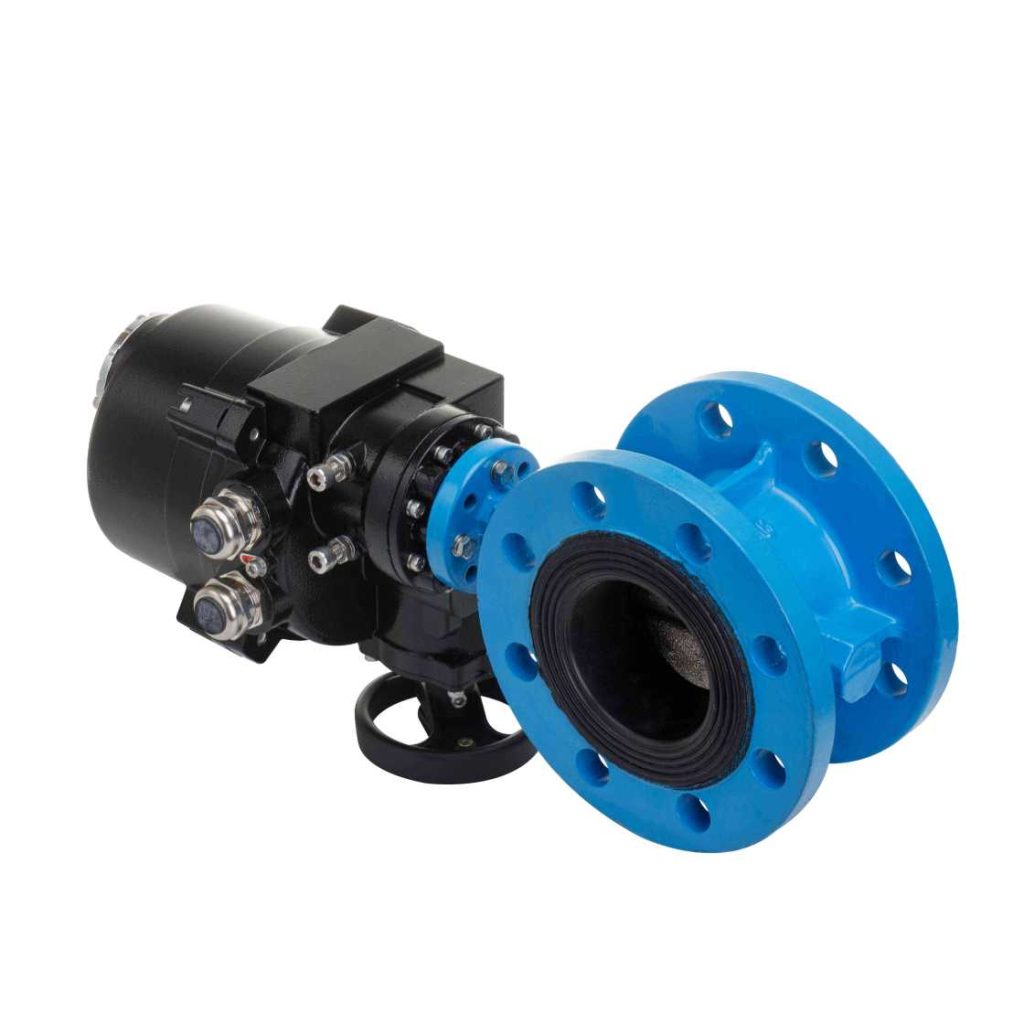
Electric flanged butterfly valves are integral components in modern industrial systems, offering both efficiency and precision in controlling the flow of liquids, gases, and slurries. These valves are designed with an electric actuator, which enables automated control of fluid systems in various industries. This article delves into the working principle, features, advantages, and applications of electric flanged butterfly valves, making it easier for engineers and decision-makers to understand why they are becoming a popular choice for fluid control.
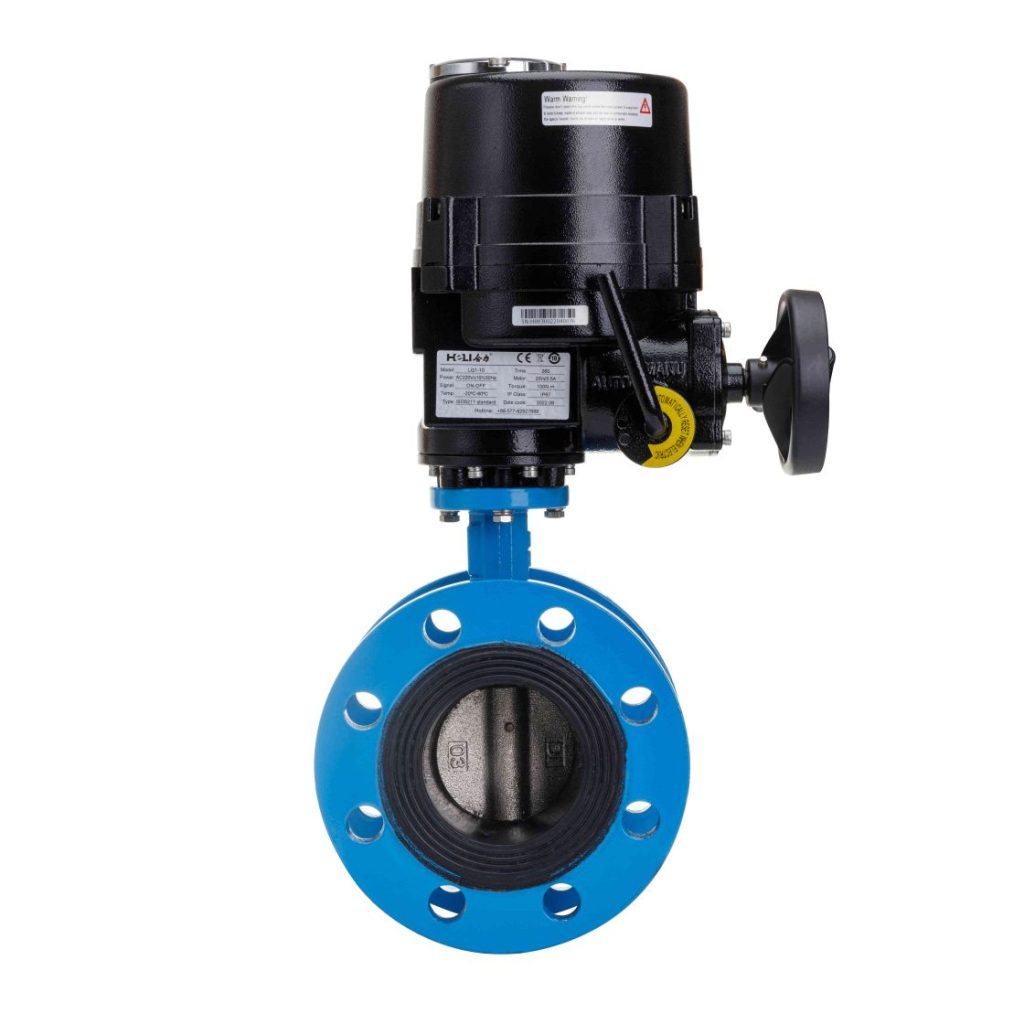
What is an Electric Flanged Butterfly Valve?
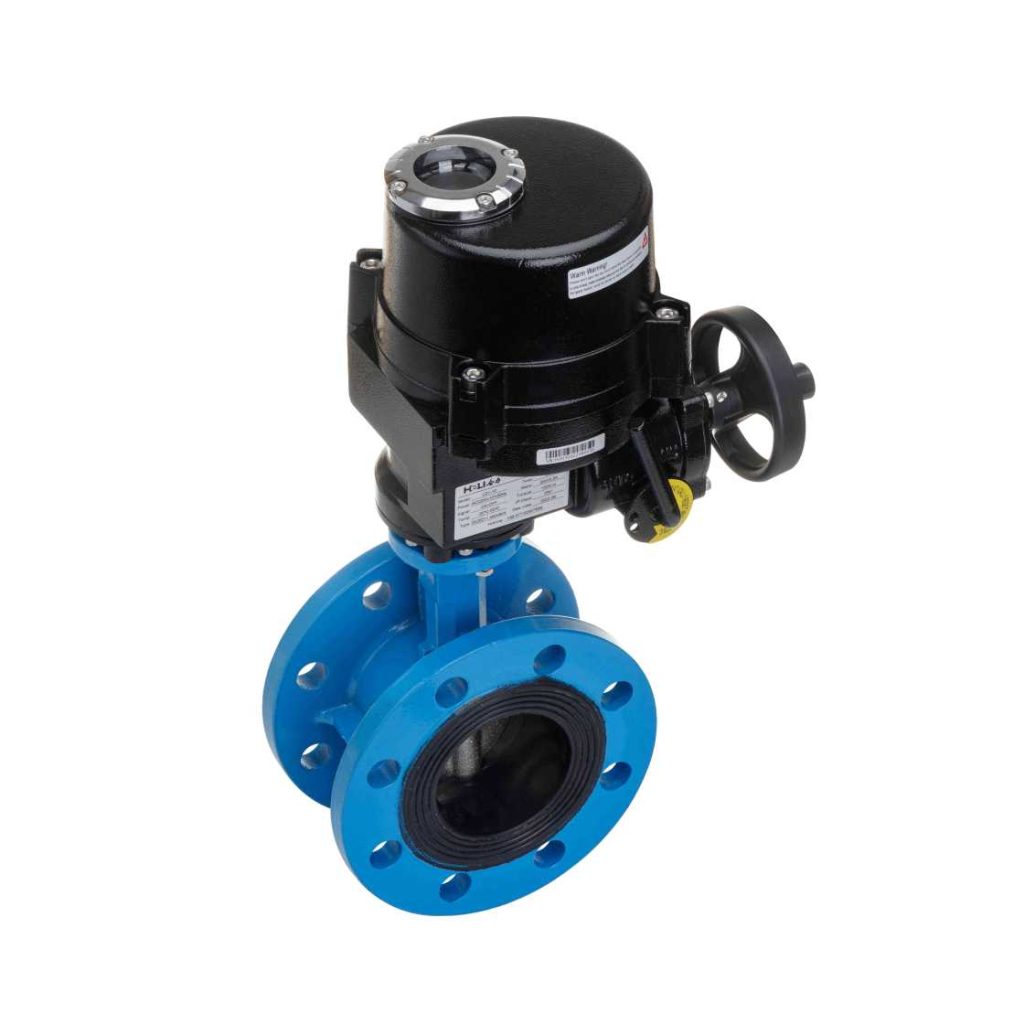
A butterfly valve is a type of flow control device that regulates fluid flow within a pipe. The valve has a circular disc or vane that rotates around a shaft, positioned at the center of the valve body. When the valve is in the open position, the disc is parallel to the flow of the fluid, allowing it to pass freely. When the valve is closed, the disc rotates perpendicular to the flow, effectively stopping the passage of the fluid. The electric flanged butterfly valve combines the traditional design of a butterfly valve with an electric actuator, enabling remote or automated control. The electric actuator is typically mounted directly on the valve, making it easy to operate without manual intervention. This integration of electric control into the valve mechanism has made it ideal for applications that require consistent performance, energy efficiency, and minimal human involvement.