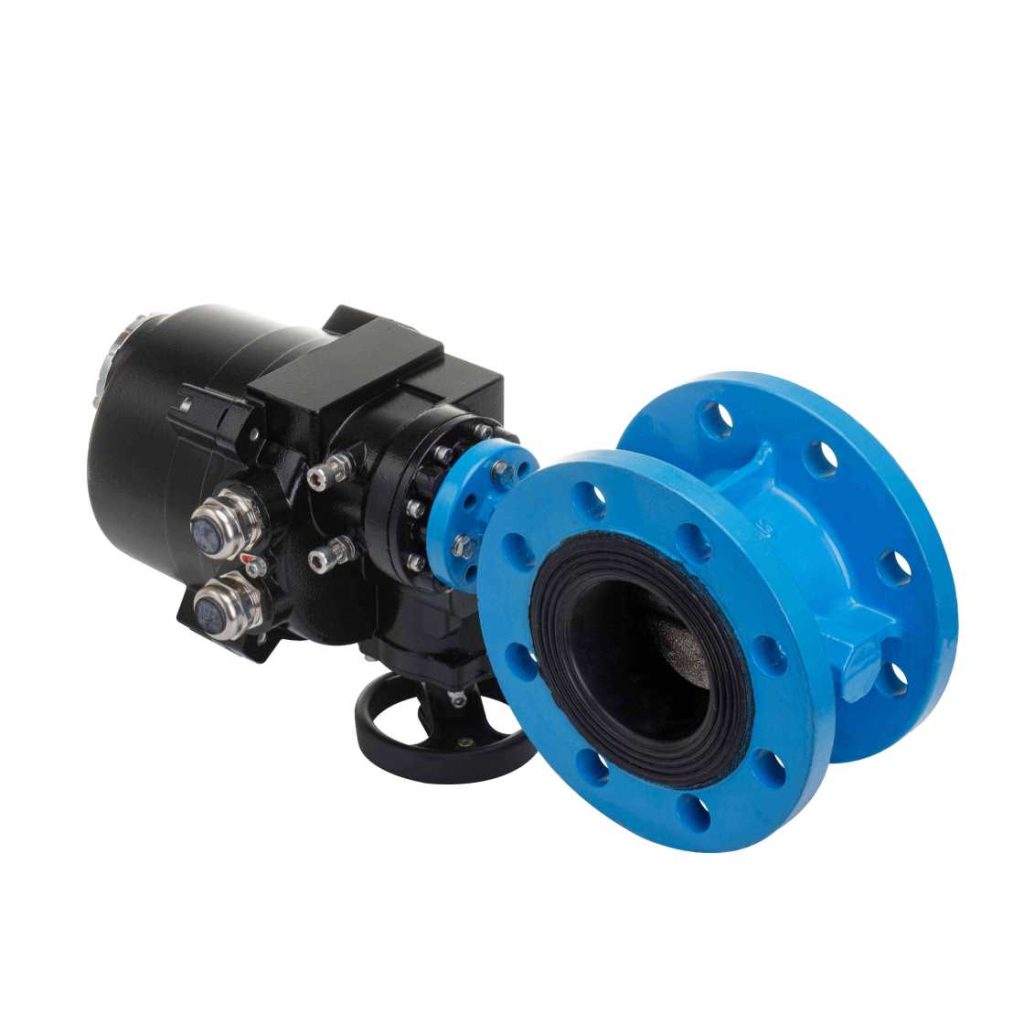
Electric flanged butterfly valves are a crucial component in modern industrial systems, providing reliable control over the flow of liquids, gases, and other media in a wide range of applications. These valves are designed to control the flow with precision, while also offering ease of installation and maintenance. This article will explore the construction, advantages, and common uses of electric flanged butterfly valves, highlighting their importance in various sectors.
What is an Electric Flanged Butterfly Valve?
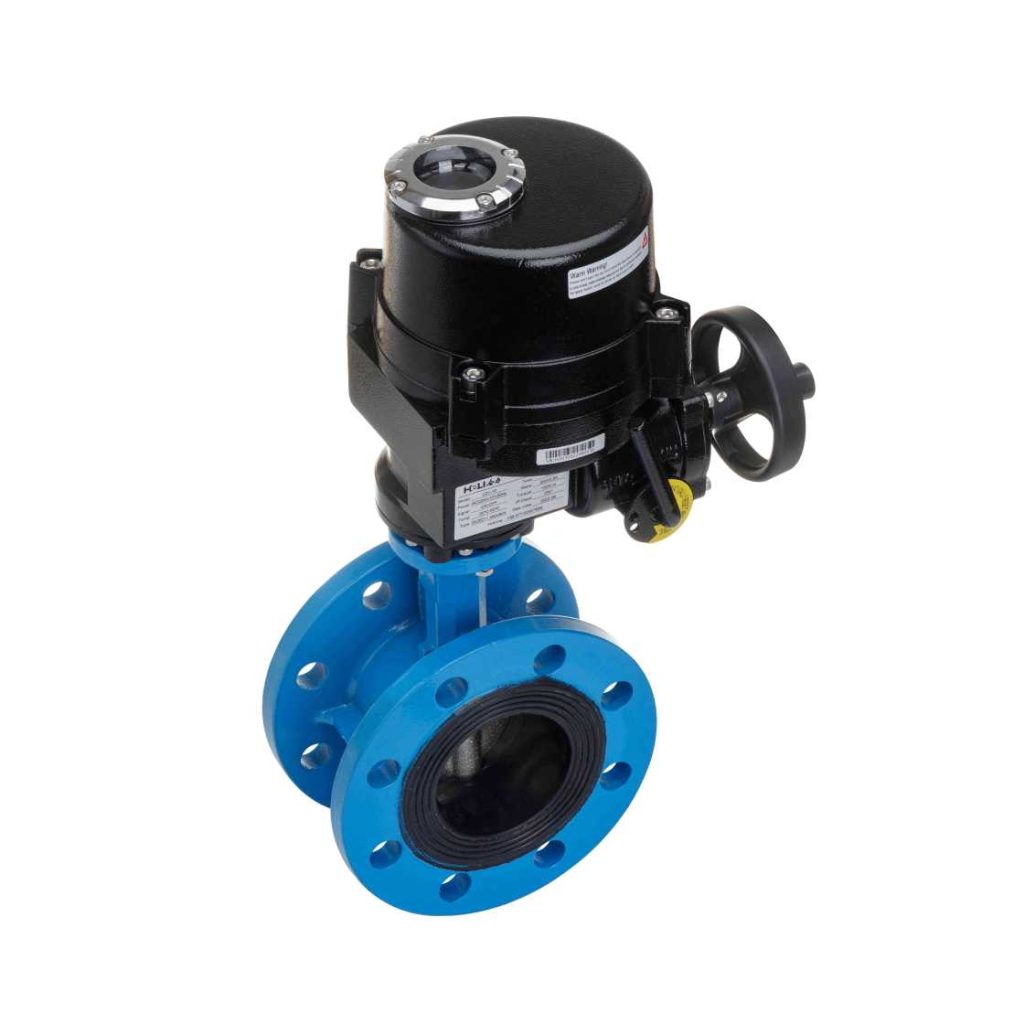
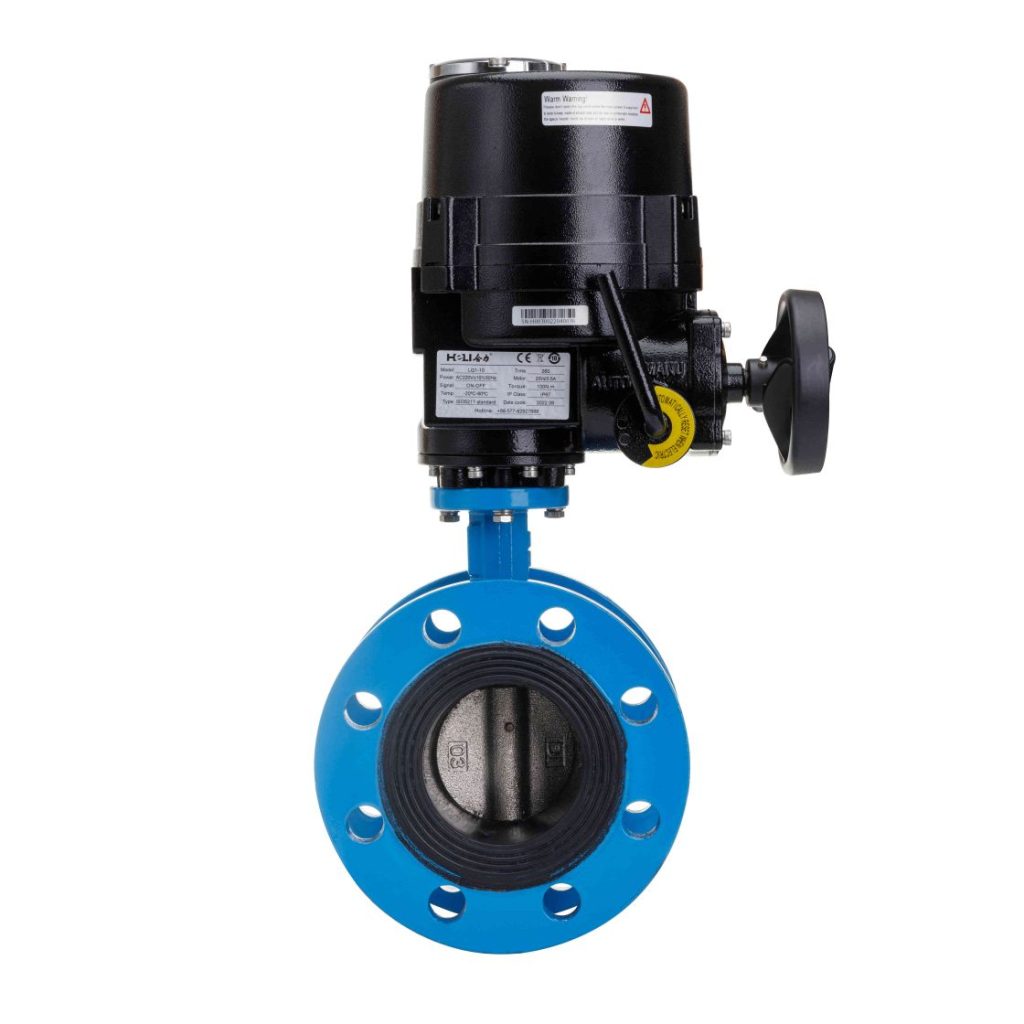
An electric flanged butterfly valve is a type of quarter-turn valve that uses an electric actuator to control the opening and closing of a disc inside the valve body. The actuator is powered by electricity, which allows for remote or automated operation, making these valves ideal for systems that require minimal human intervention or where the valve is located in hard-to-reach places. The valve itself consists of a central disc, a shaft, and a flange connection. The electric actuator is mounted on the valve’s shaft and is responsible for rotating the disc. When the actuator is powered, it rotates the disc to various positions, regulating the flow of the medium passing through the valve. The flanged design ensures that the valve is securely connected to the pipeline, providing a leak-proof and stable seal.