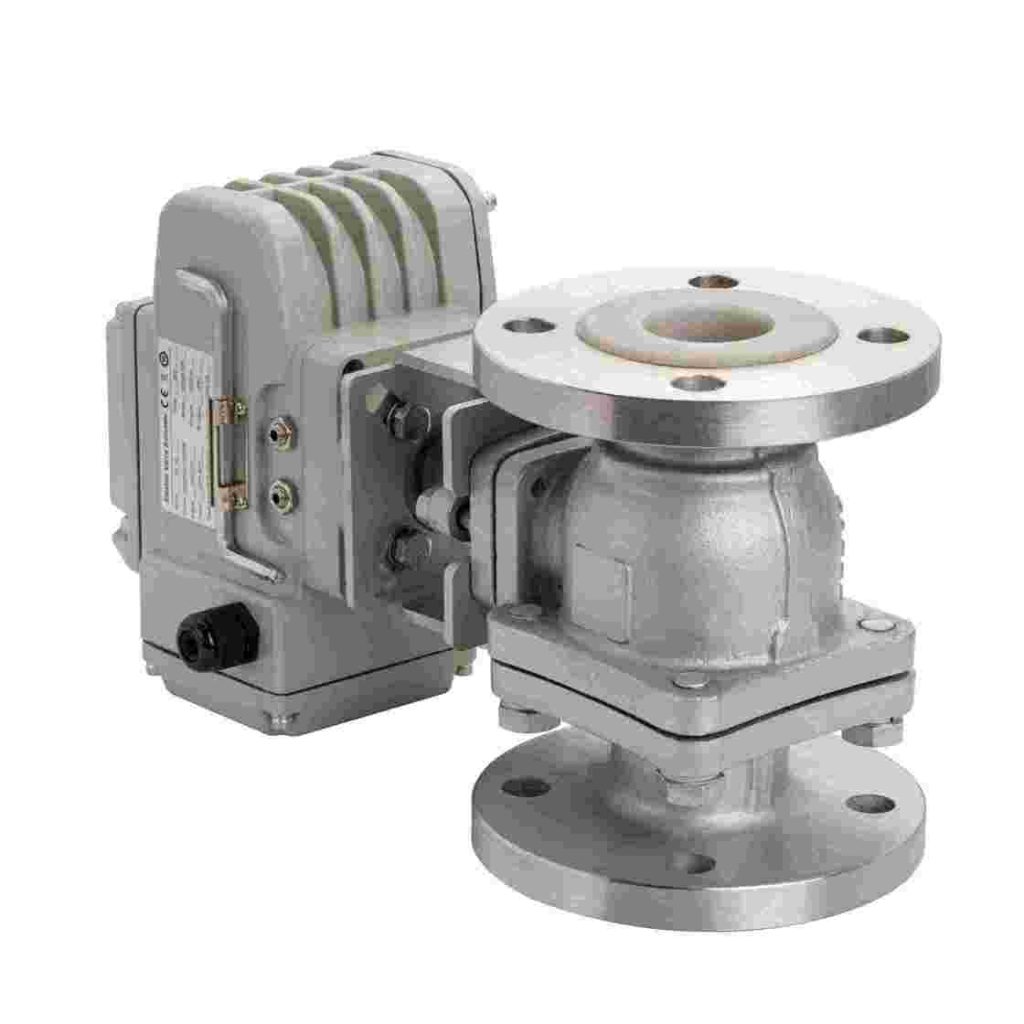
In modern industrial applications, fluid control systems are crucial for ensuring smooth and efficient operations. The Electric Flange Ball Valve is a key component in these systems, offering both precision and automation in managing the flow of liquids and gases. This type of valve combines the reliability of traditional ball valves with the convenience of electric actuation, making it an essential tool for industries such as oil and gas, chemical processing, water treatment, and HVAC systems. In this article, we will explore the features, advantages, and applications of the Electric Flange Ball Valve, as well as its role in shaping the future of industrial fluid control.
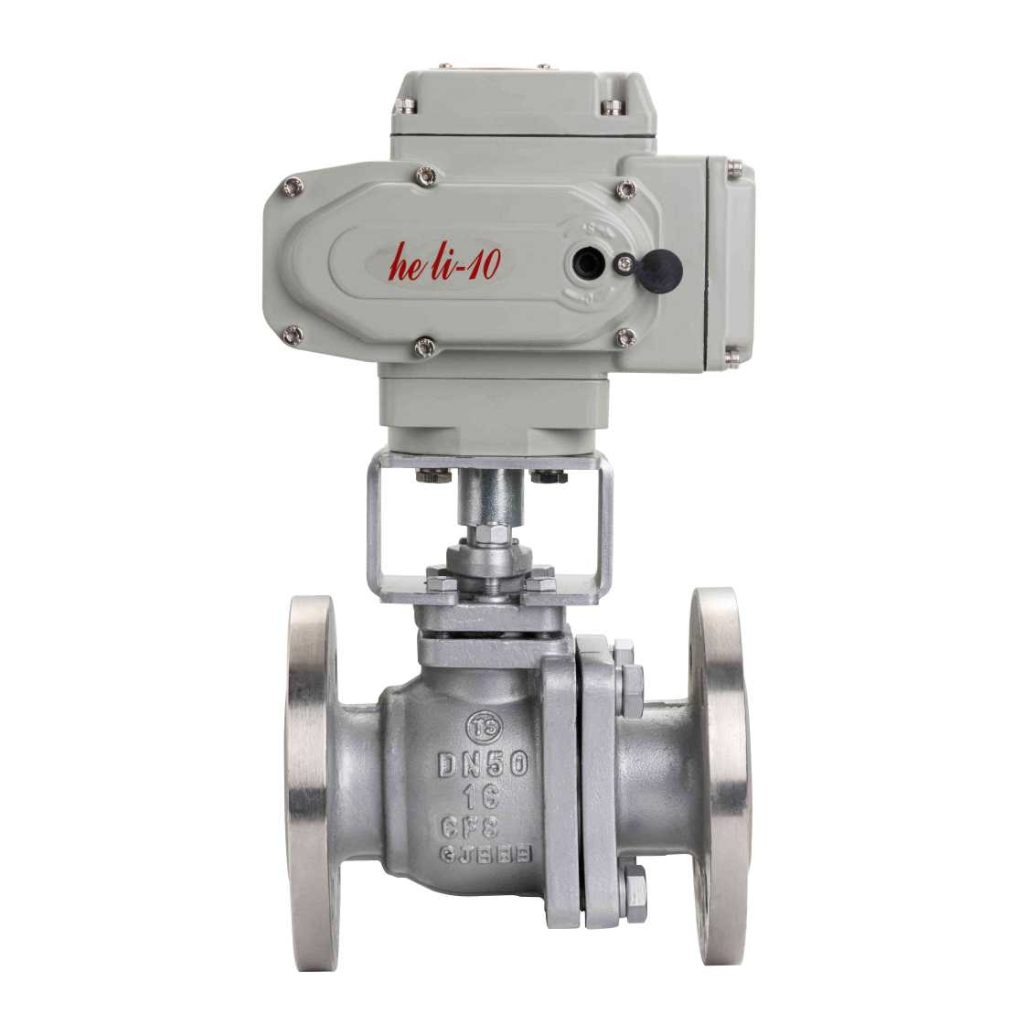
What is an Electric Flange Ball Valve?
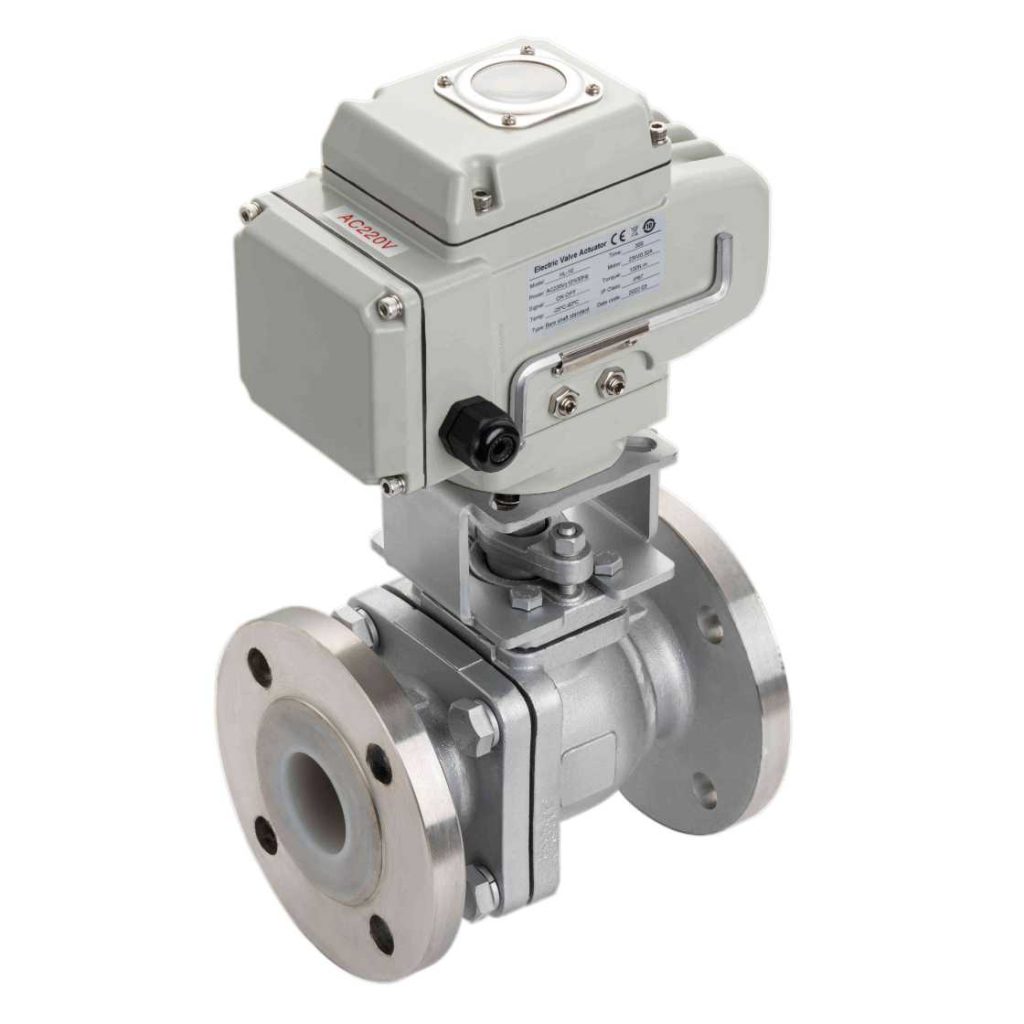
An Electric Flange Ball Valve is a type of ball valve that uses an electric actuator to control the opening and closing of the valve. It consists of a spherical ball with a hole through the center, mounted inside a valve body. When the valve is open, the hole aligns with the flow path, allowing fluid to pass through. When the valve is closed, the ball rotates to block the flow. The “flange” in the name refers to the design of the valve, which features flanged ends that allow for easy connection to pipes using bolts. This type of valve is particularly useful in high-pressure and high-temperature applications, where robust and secure connections are necessary.