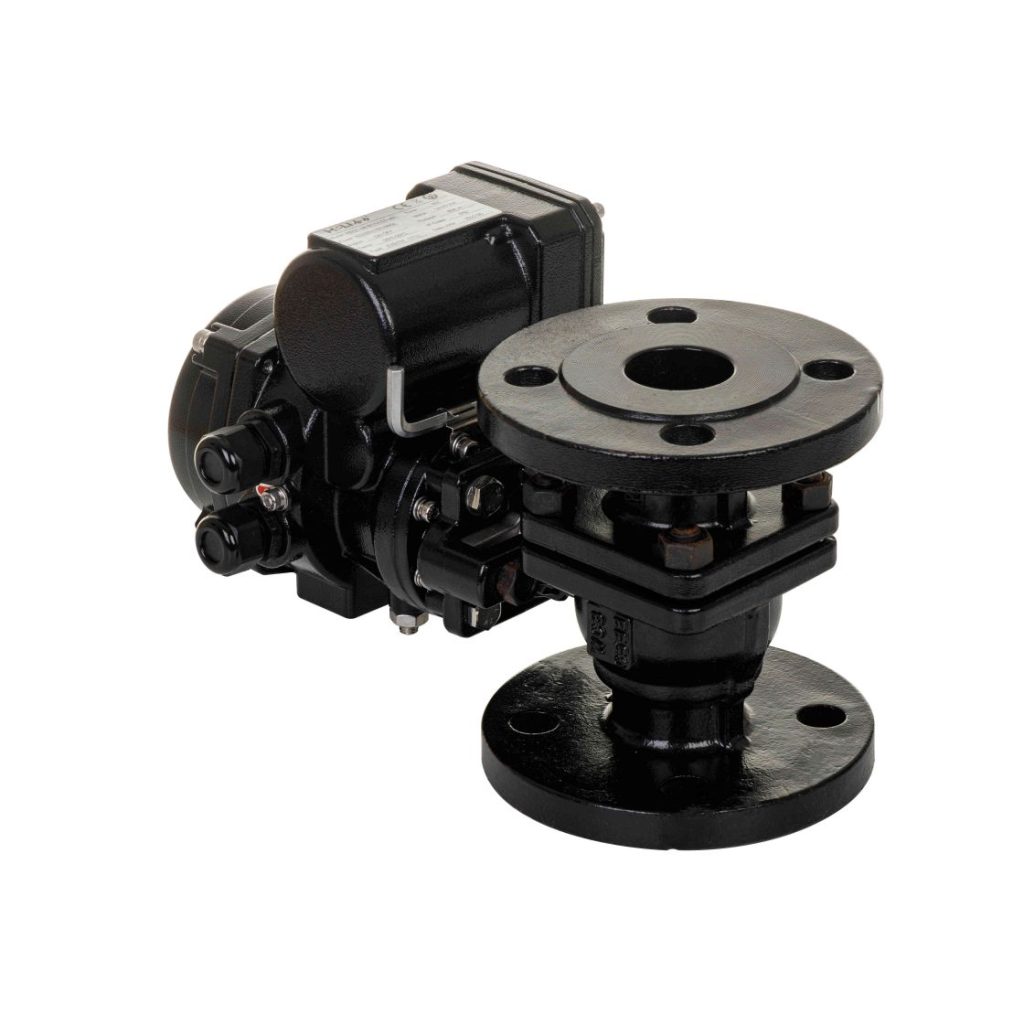
The electric flange ball valve is a vital component in a wide range of industries where precise fluid control is crucial. With its ability to automatically regulate the flow of liquids, gases, or steam, this valve plays a pivotal role in enhancing operational efficiency, safety, and reliability. As a result, electric flange ball valve manufacturers have become essential players in industries such as oil and gas, water treatment, chemical processing, and power generation.
What is an Electric Flange Ball Valve?
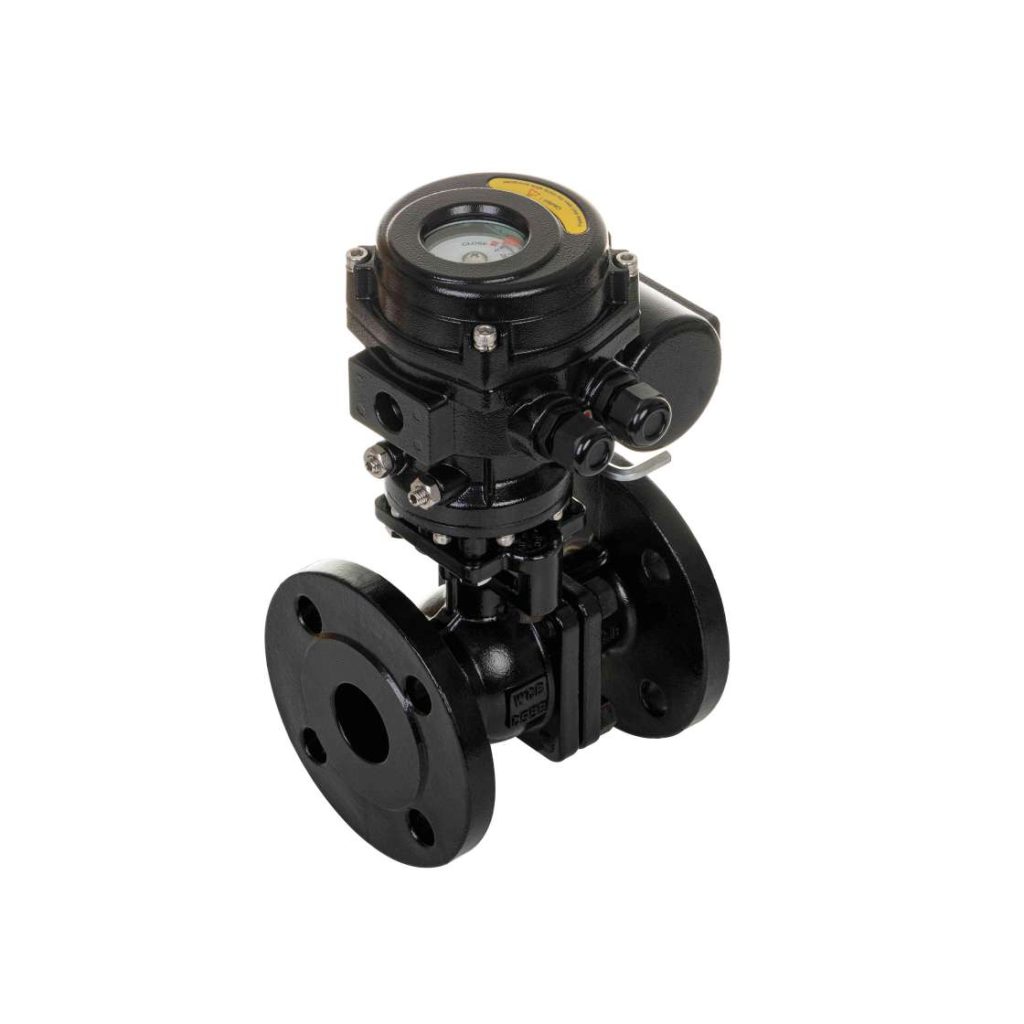
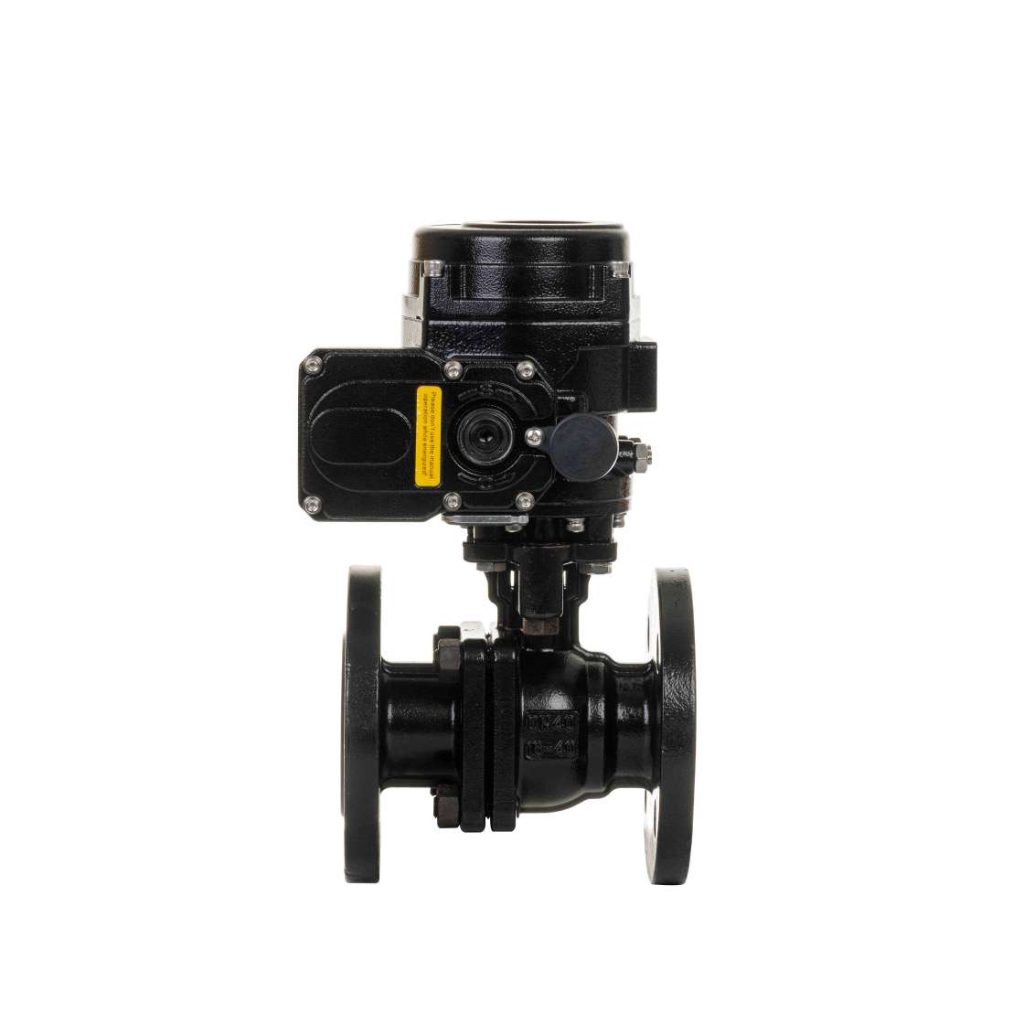
An electric flange ball valve is a type of ball valve that is operated by an electric actuator. The valve itself consists of a spherical ball with a hole or port in the center, which rotates to control the flow of fluids. The actuator provides the mechanical force required to rotate the ball, allowing for precise control over the flow rate or completely shutting off the fluid flow. This type of valve is typically connected to a pipeline via flanged connections, making it highly durable and reliable under pressure. Key Advantages of Electric Flange Ball Valves Automation and Remote Control: One of the most significant benefits of electric flange ball valves is their ability to be controlled remotely. Unlike traditional manual valves, these valves can be integrated into automated systems, allowing operators to control the valve’s position from a distance. This feature is particularly useful in industrial plants and large-scale operations where manual control is impractical or unsafe.