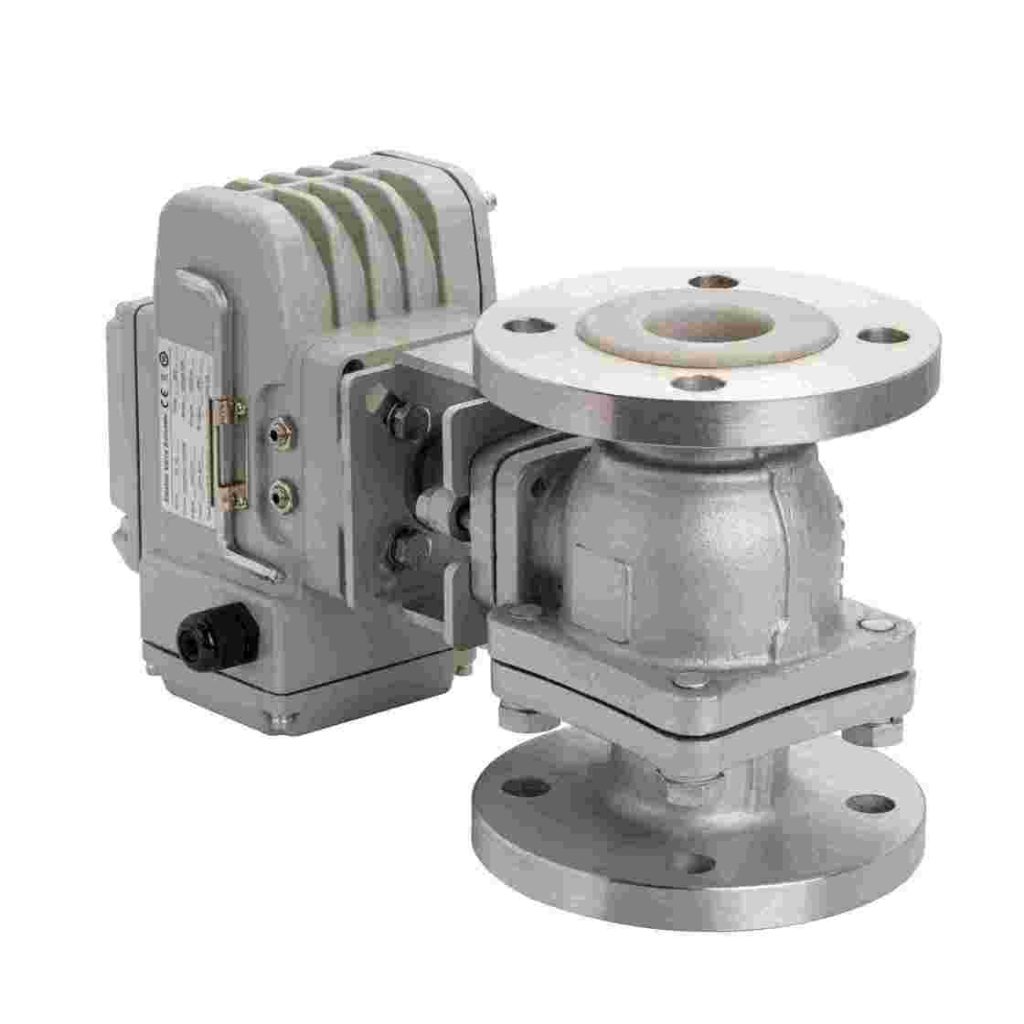
Electric flange ball valves have become an essential component in many industrial processes, offering a reliable and efficient solution for controlling the flow of liquids and gases. As technology continues to advance, these valves have evolved to meet the growing demands of modern industries. In this article, we will explore the key features, advantages, and applications of electric flange ball valves.
What is an Electric Flange Ball Valve?
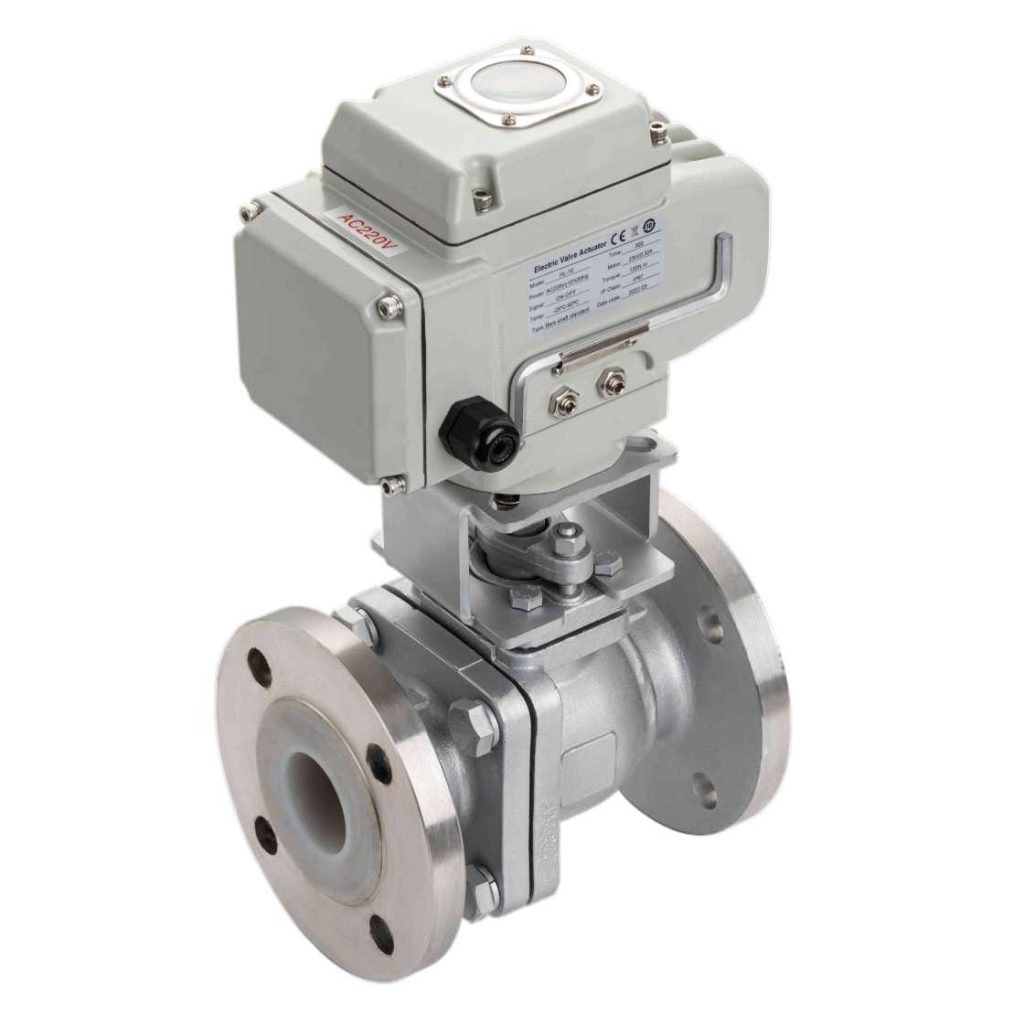
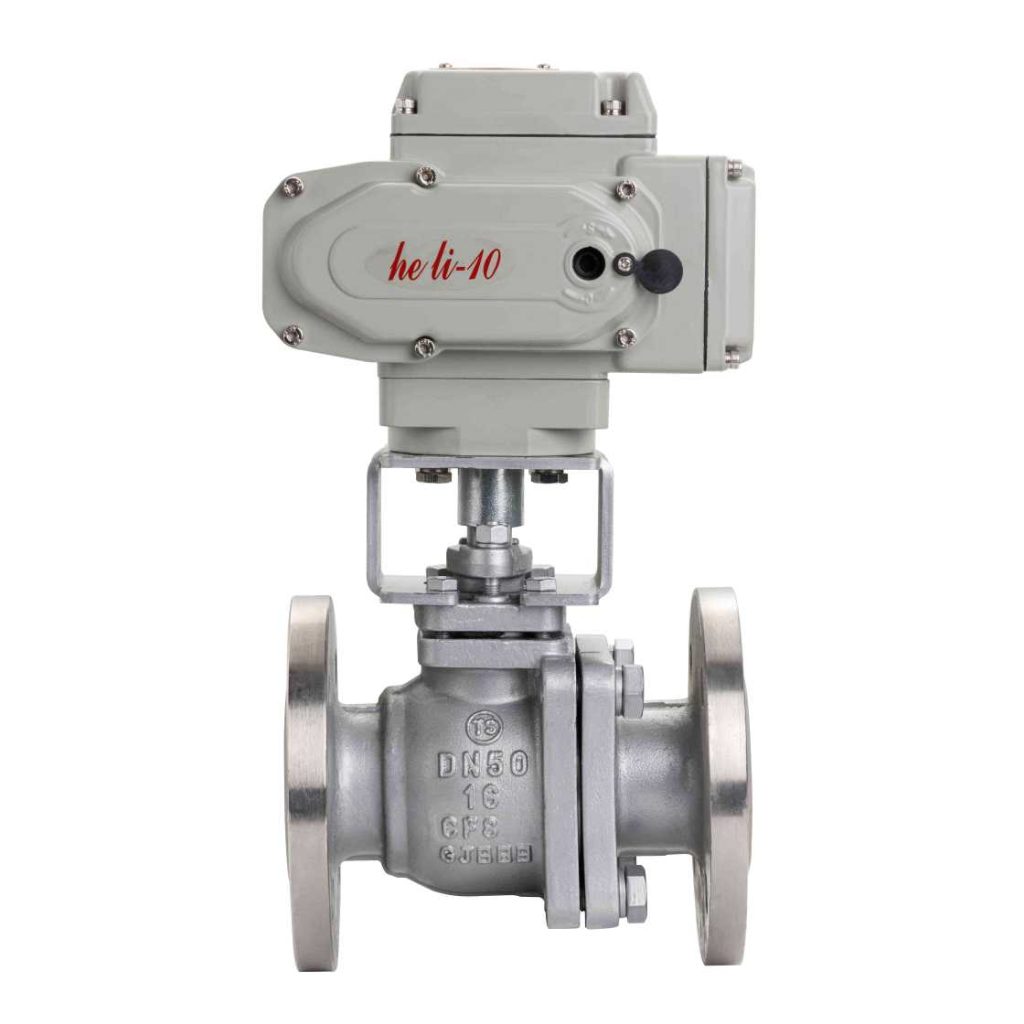
An electric flange ball valve is a type of ball valve that is equipped with an electric actuator to control its opening and closing functions. The valve itself consists of a ball with a hole in the center, which is positioned inside the valve body. By rotating the ball, the valve either allows or restricts the flow of fluid through the pipeline. The “flange” part refers to the flanged connections on either side of the valve, allowing it to be easily installed into a pipeline system. The electric actuator, which is powered by electricity, provides automated control over the valve’s operation. This eliminates the need for manual intervention, making it an ideal choice for systems requiring remote control or integration into automated processes. The actuator typically uses an electric motor to turn the ball valve, which can be operated with the help of control systems like a PLC (Programmable Logic Controller) or a DCS (Distributed Control System).