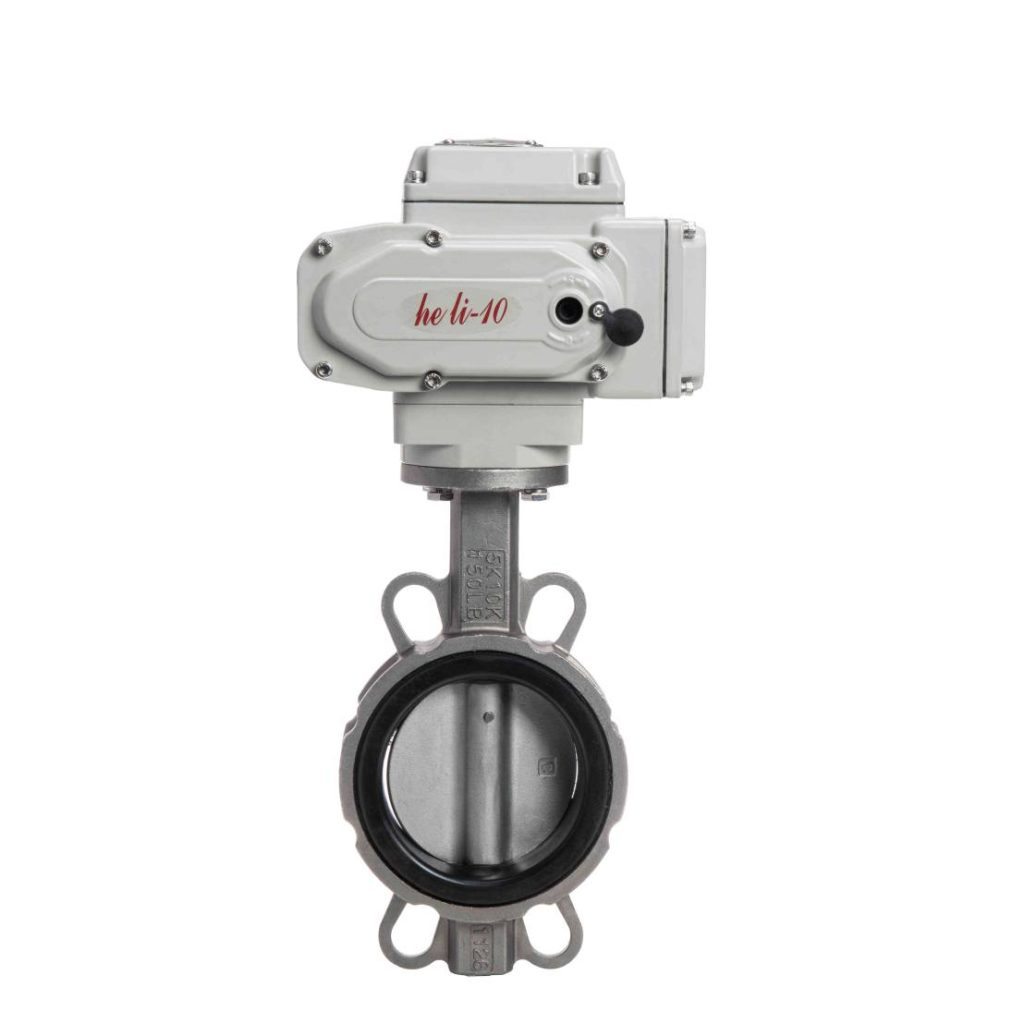
An electric clamp butterfly valve is a highly efficient and versatile component used in various industrial applications to control the flow of fluids. This type of valve combines the simplicity of a butterfly valve with the precision and automation provided by an electric actuator. Its design ensures reliable performance, ease of installation, and low maintenance requirements. In this article, we will explore the construction, working principle, benefits, and applications of the electric clamp butterfly valve.
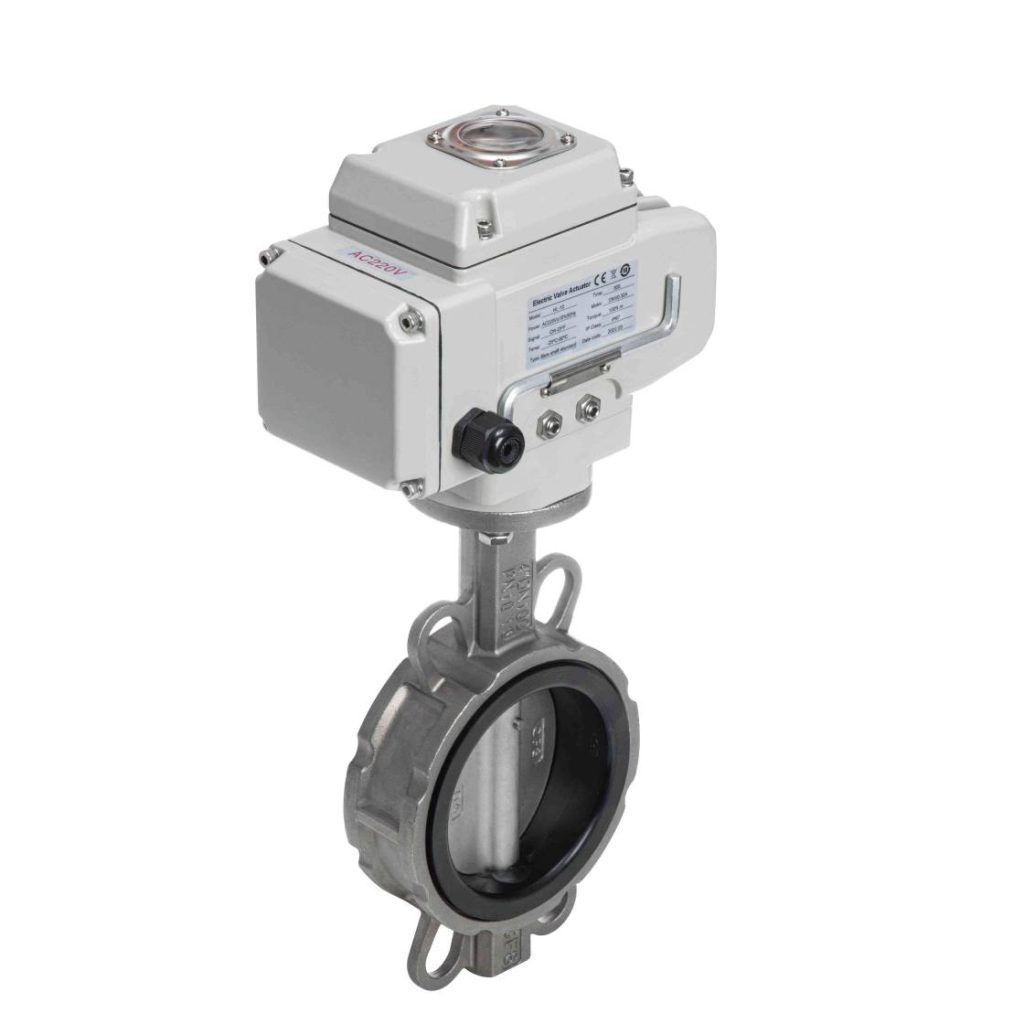
Construction and Working Principle
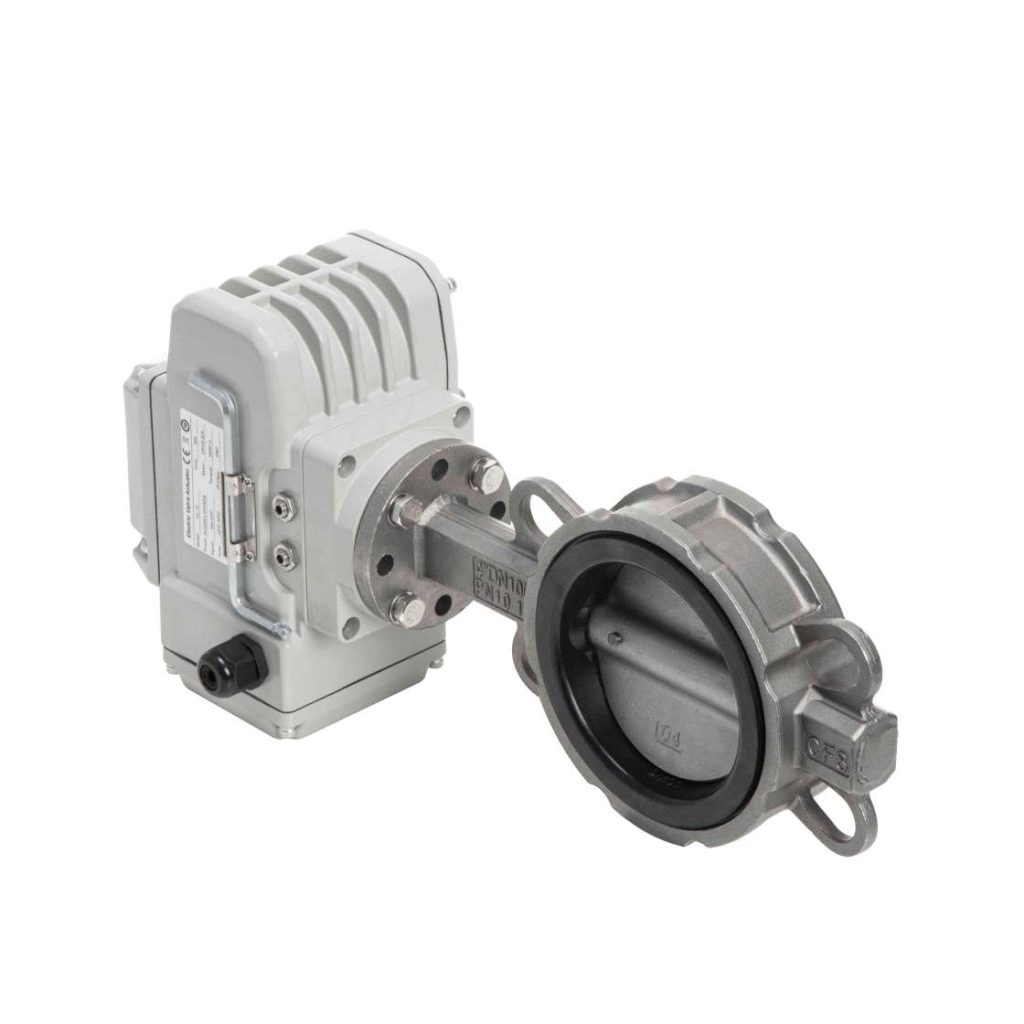
An electric clamp butterfly valve consists of three main parts: the valve body, the butterfly disc, and the electric actuator. The valve body is typically made from high-quality materials such as stainless steel or cast iron, which ensure durability and resistance to corrosion. The butterfly disc is a circular plate that rotates within the valve body to regulate the flow of fluid. When the valve is in the closed position, the disc is perpendicular to the flow path, blocking the fluid. When it is in the open position, the disc rotates parallel to the flow path, allowing the fluid to pass through with minimal resistance.