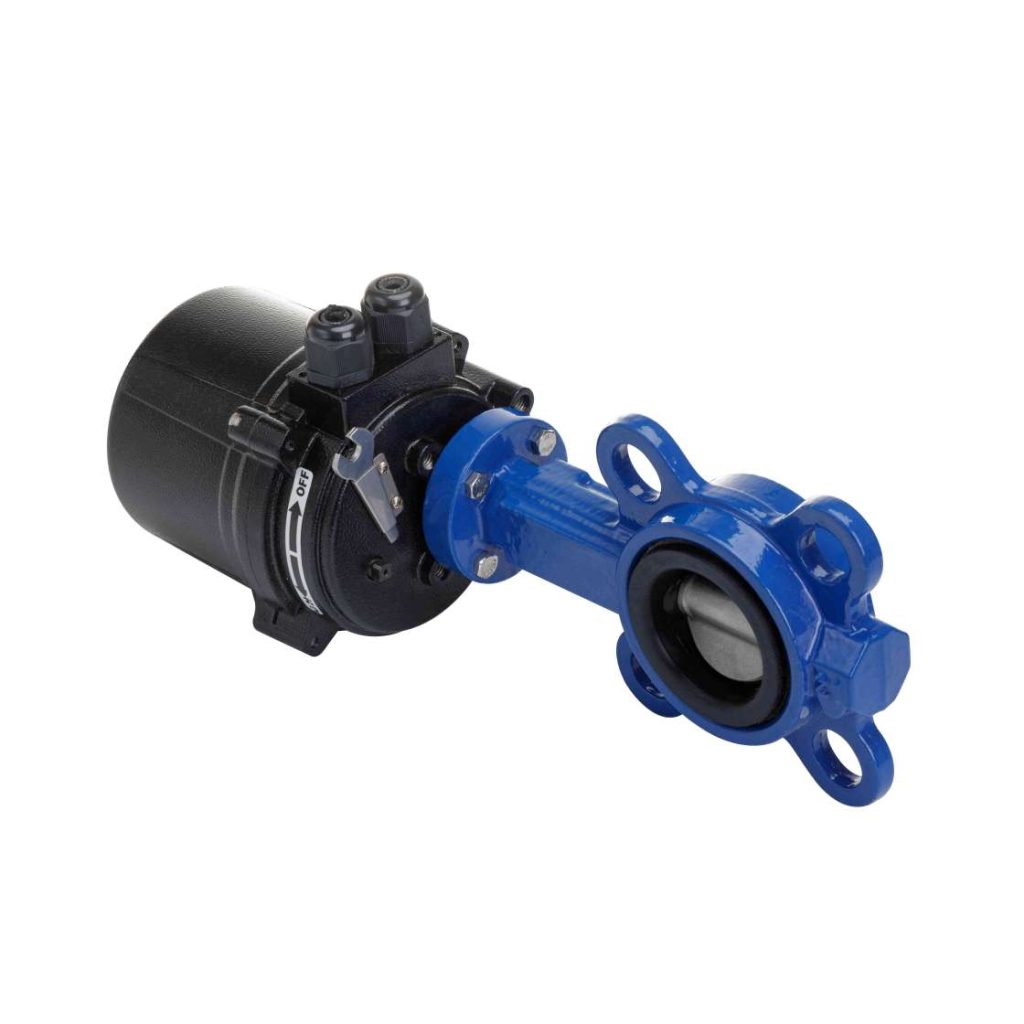
As the agricultural sector continues to evolve, the need for efficient irrigation systems has never been more critical. Among the various solutions available, electric butterfly valves have emerged as a vital component for efficient water control in agricultural irrigation systems. For manufacturers producing these essential devices, understanding the nuances of their application, design, and functionality is crucial to meeting the growing demands of modern agriculture.
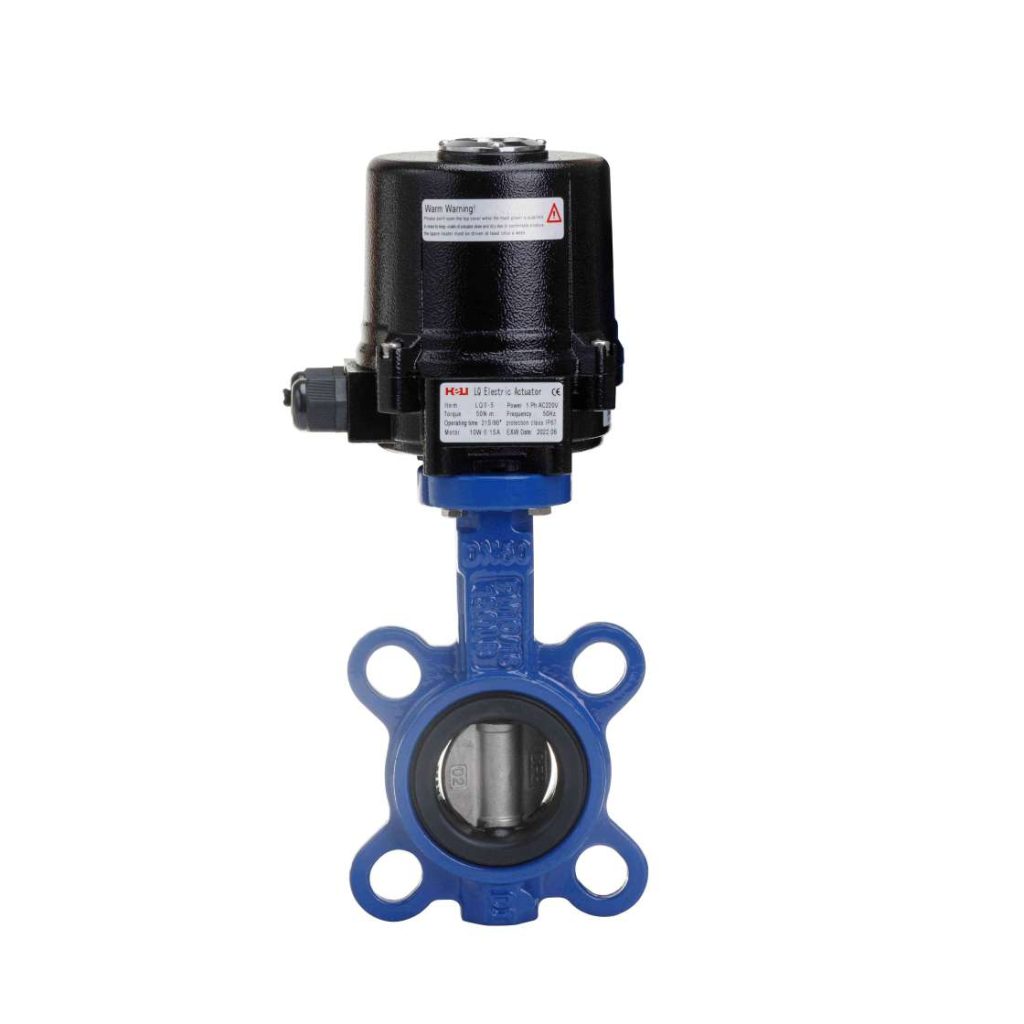
Understanding Electric Butterfly Valves
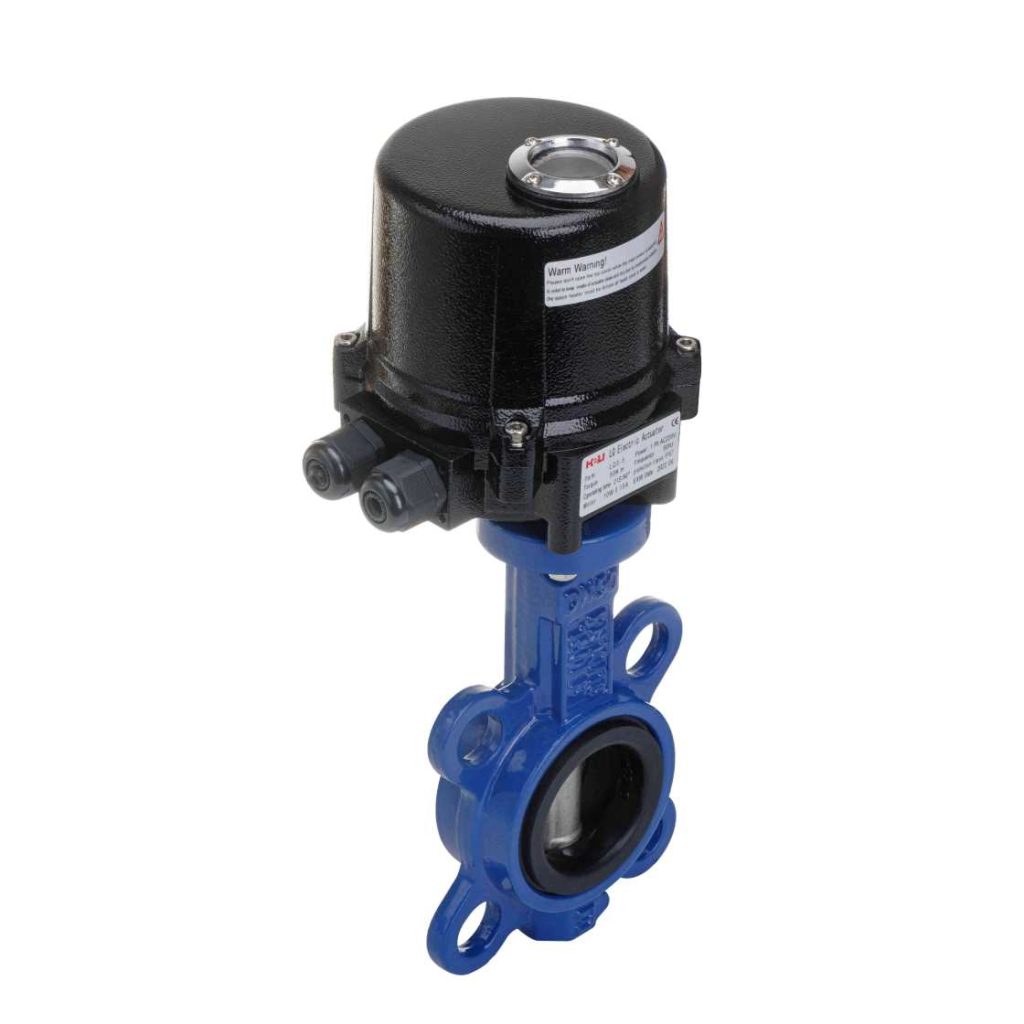
Electric butterfly valves are quarter-turn valves used to control the flow of fluids, particularly water in irrigation systems. They consist of a disc that rotates around a shaft, allowing or restricting flow based on its position. The electric actuator automates this process, enabling remote control and integration with irrigation management systems. This automation is essential for modern farming, where precision and efficiency are key to maximizing yields while conserving water. Benefits of Electric Butterfly Valves Automation and Control: One of the primary benefits of electric butterfly valves is their ability to automate irrigation processes. Farmers can control these valves remotely using advanced systems, which can optimize water use according to real-time needs, ensuring that crops receive the right amount of water precisely when required.