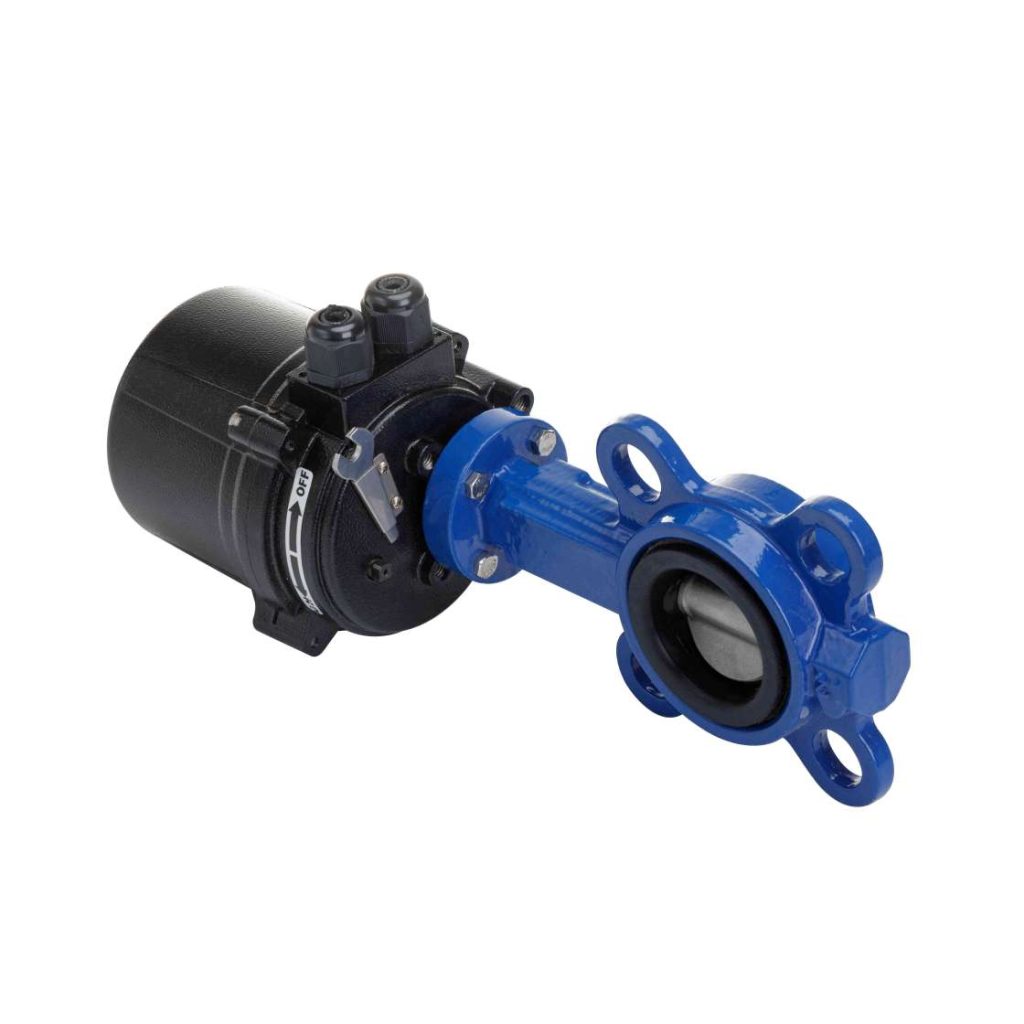
The Electric Butterfly Valve is a versatile and widely used device in fluid control systems. As industries demand more efficient and automated control mechanisms, the electric butterfly valve stands out due to its reliability, ease of use, and energy efficiency. This article explores the key features, working principles, advantages, and various applications of electric butterfly valves across different sectors.
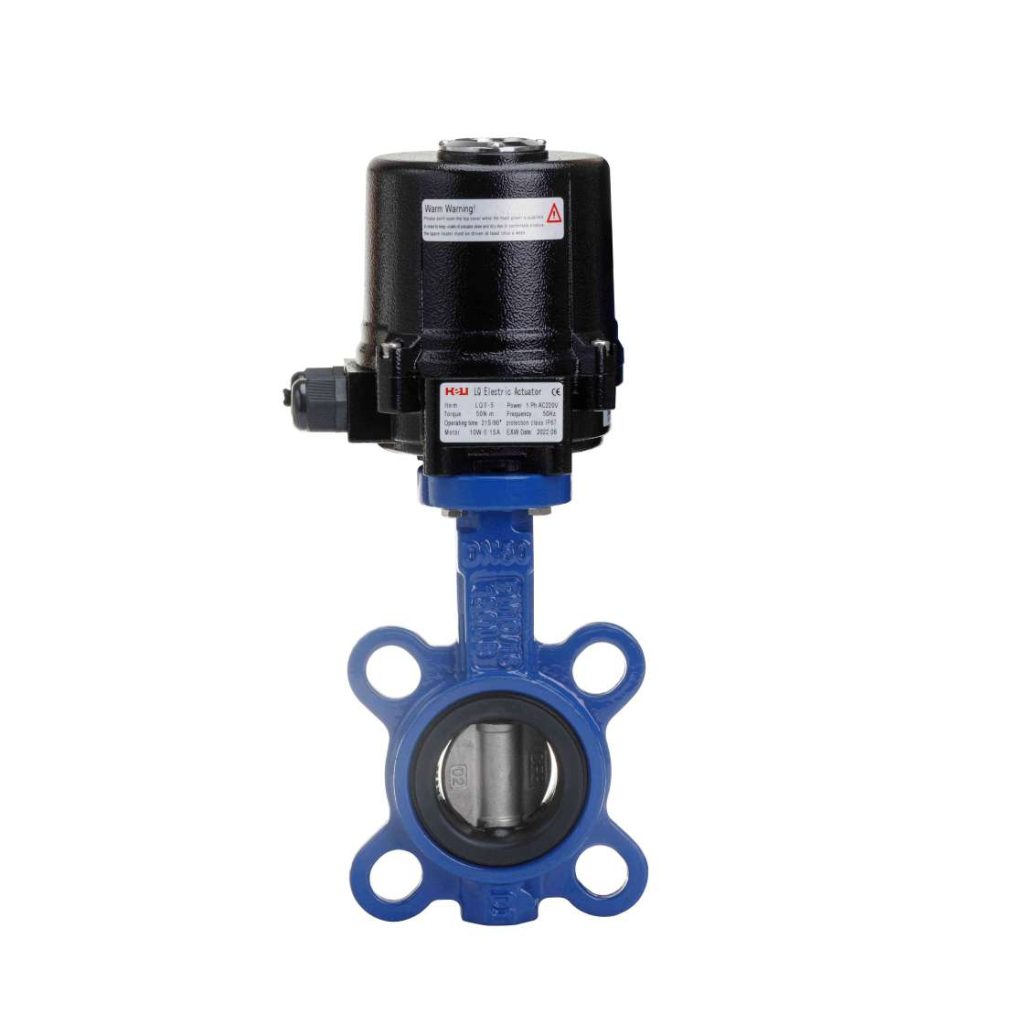
Working Principle of Electric Butterfly Valves
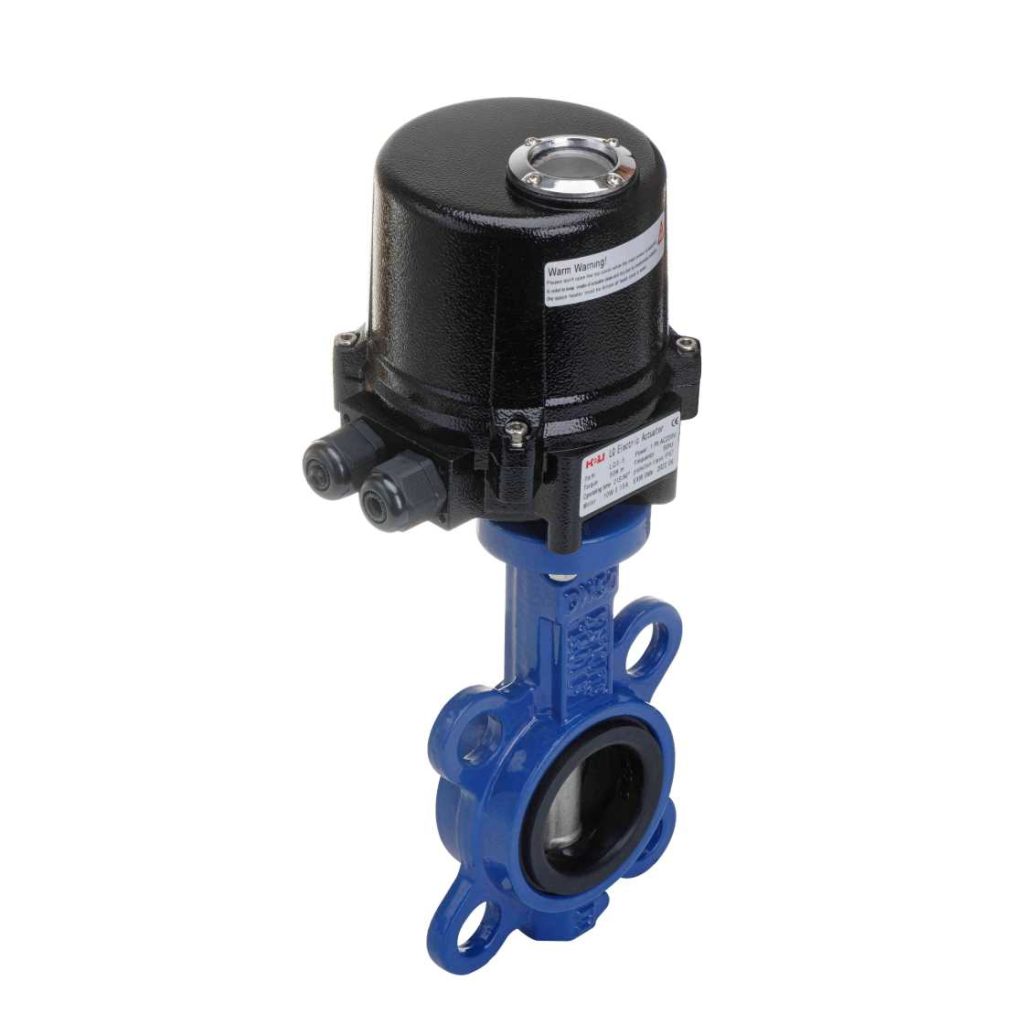
An electric butterfly valve consists of three main components: the valve body, the butterfly disc, and the electric actuator. The butterfly disc is typically a round metal plate attached to a central shaft inside the valve body. The electric actuator, which is the heart of the valve, controls the rotation of the butterfly disc to open or close the valve. By rotating the disc, the actuator regulates the flow of fluid through the pipe. The actuator receives electrical signals from the control system, either from a remote control station or an automated system, to adjust the position of the butterfly disc. The valve can be modulated to any position, enabling precise control over the flow rate. This characteristic makes the electric butterfly valve an essential component in systems requiring accurate flow regulation.