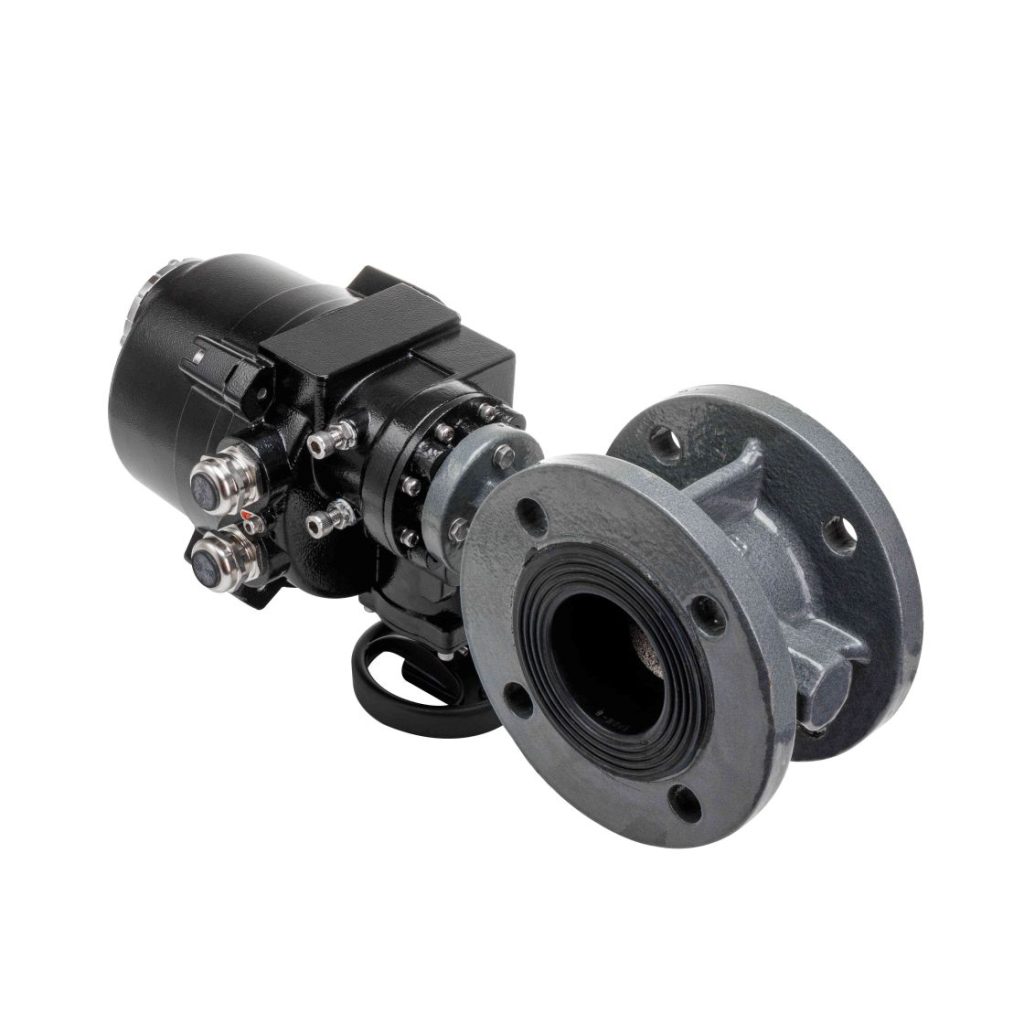
Electric ball valves have become integral components in various industries due to their precision, durability, and ability to automate fluid flow control. These valves, powered by electric actuators, offer substantial advantages over traditional manual valves, making them a preferred choice for many industries including chemical, oil and gas, water treatment, and manufacturing. In this article, we will explore the role of electric ball valve manufacturers, the benefits of their products, and the factors that make them crucial in modern fluid control systems.
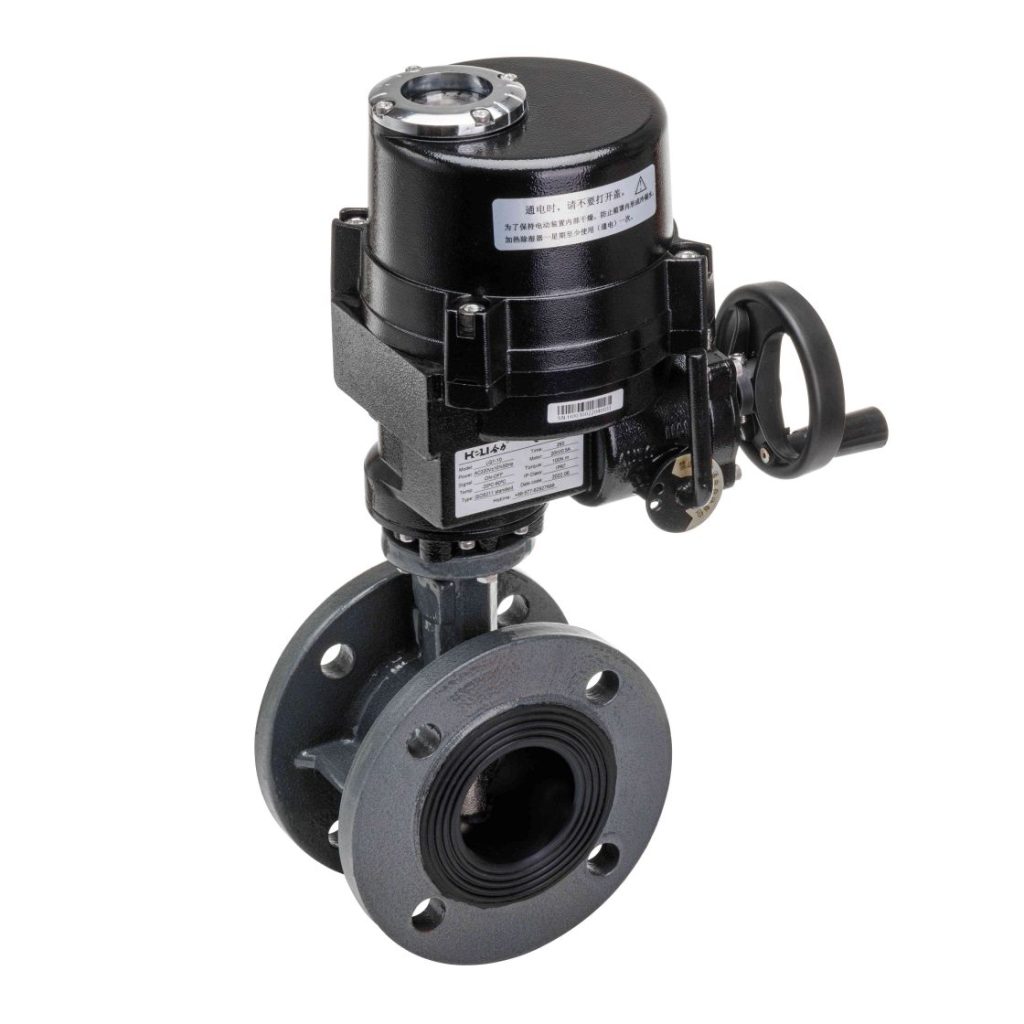
What is an Electric Ball Valve?
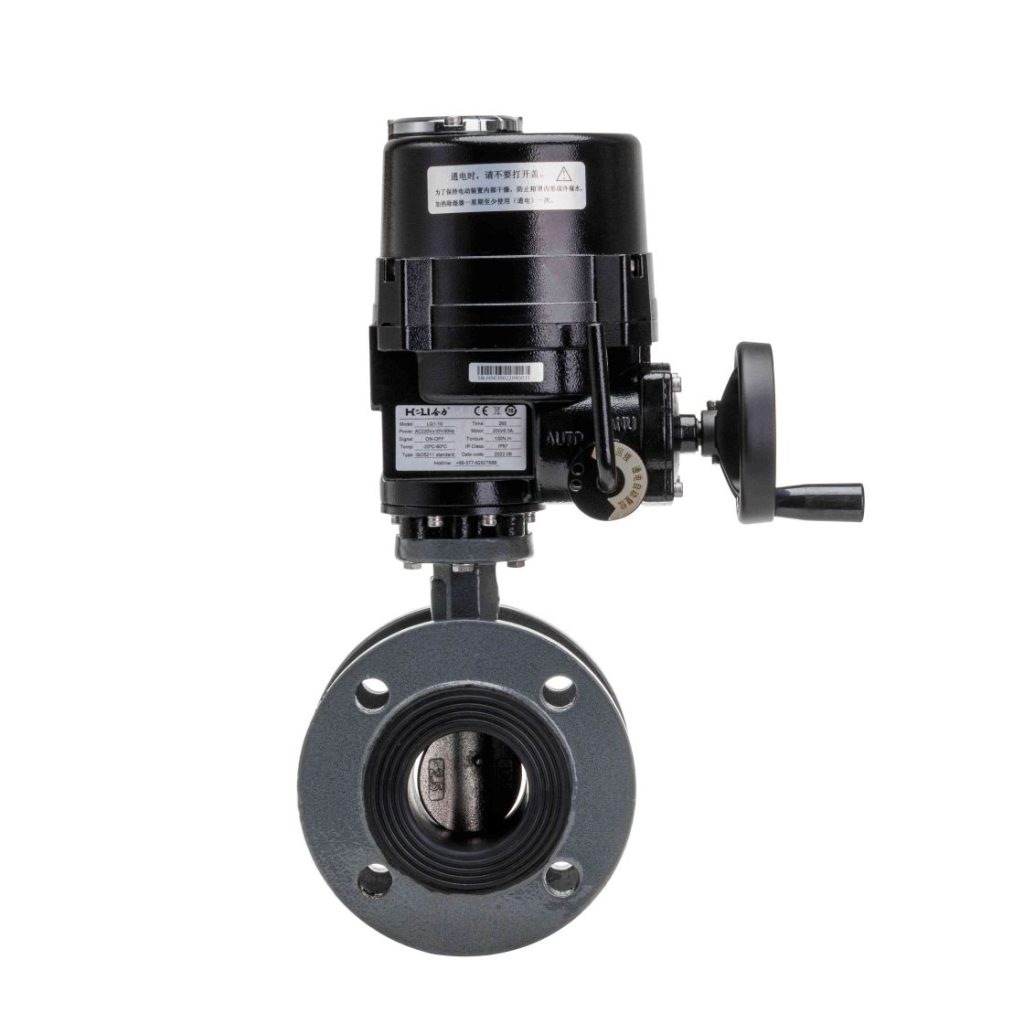
An electric ball valve is a valve that uses an electric actuator to control the opening and closing of a spherical ball within the valve. The ball has a hole in the center, and when aligned with the pipe, it allows flow through. When rotated by the electric actuator, the ball either blocks the flow completely or allows it to pass freely, depending on the position. This technology automates the operation, making it suitable for environments where remote or precise control is necessary. Electric ball valves are typically used in applications that require precise regulation of liquids, gases, or slurry flows. They are particularly effective in systems where regular maintenance, high pressure, or hazardous substances are involved.