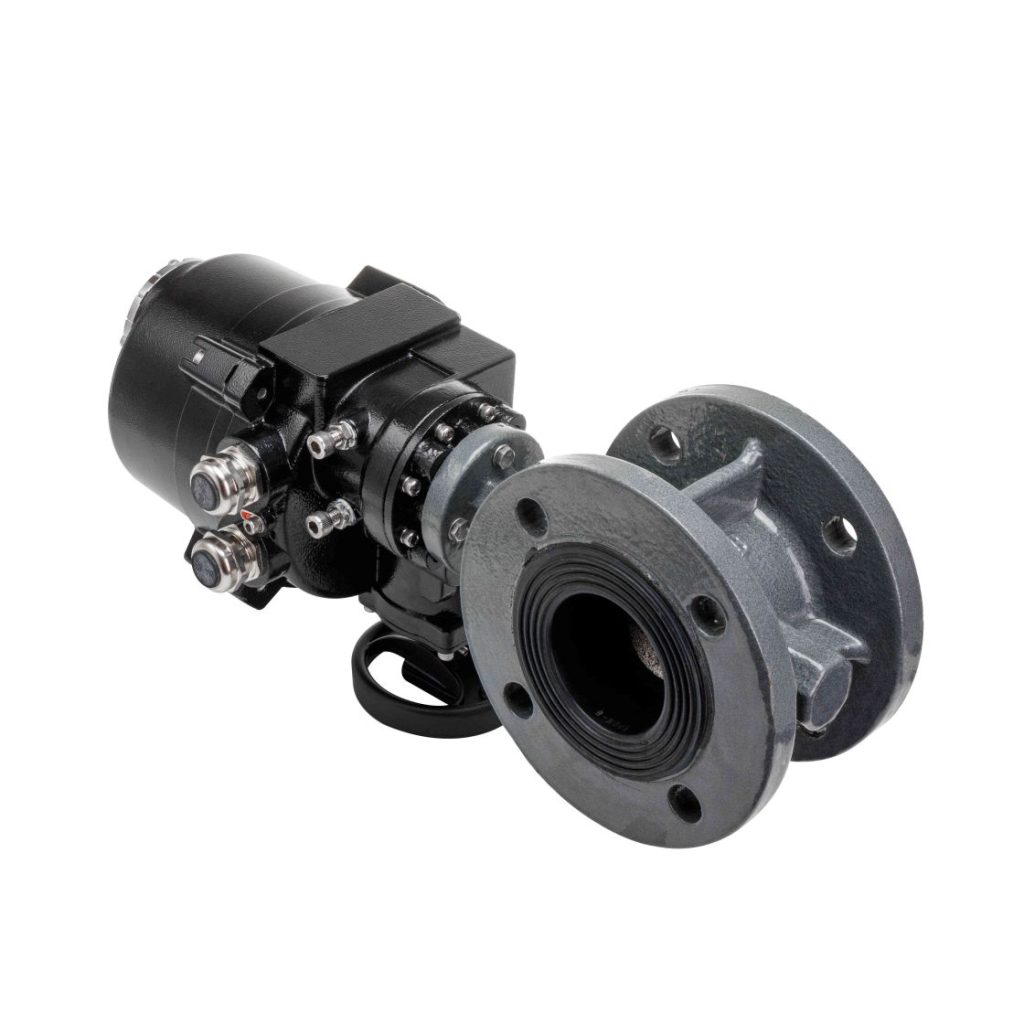
The electric ball valve has become a cornerstone in modern fluid control systems, offering precision, efficiency, and reliability in various industries. With its integration of electrical actuation and ball valve functionality, this valve type plays a pivotal role in optimizing processes in HVAC, chemical, water treatment, and automation systems. In this article, we will explore the design, benefits, and applications of electric ball valves, along with why they are becoming a popular choice for industries that require automated fluid control.
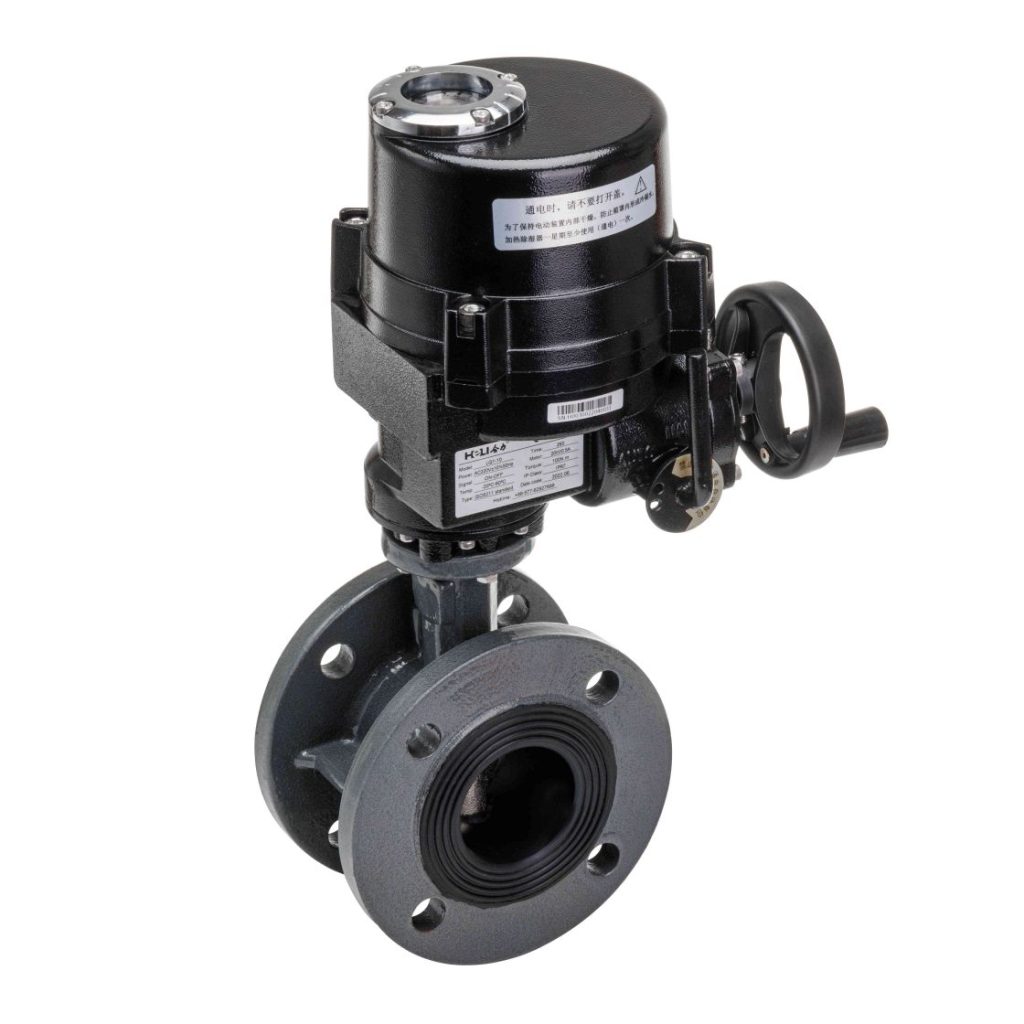
What is an Electric Ball Valve?
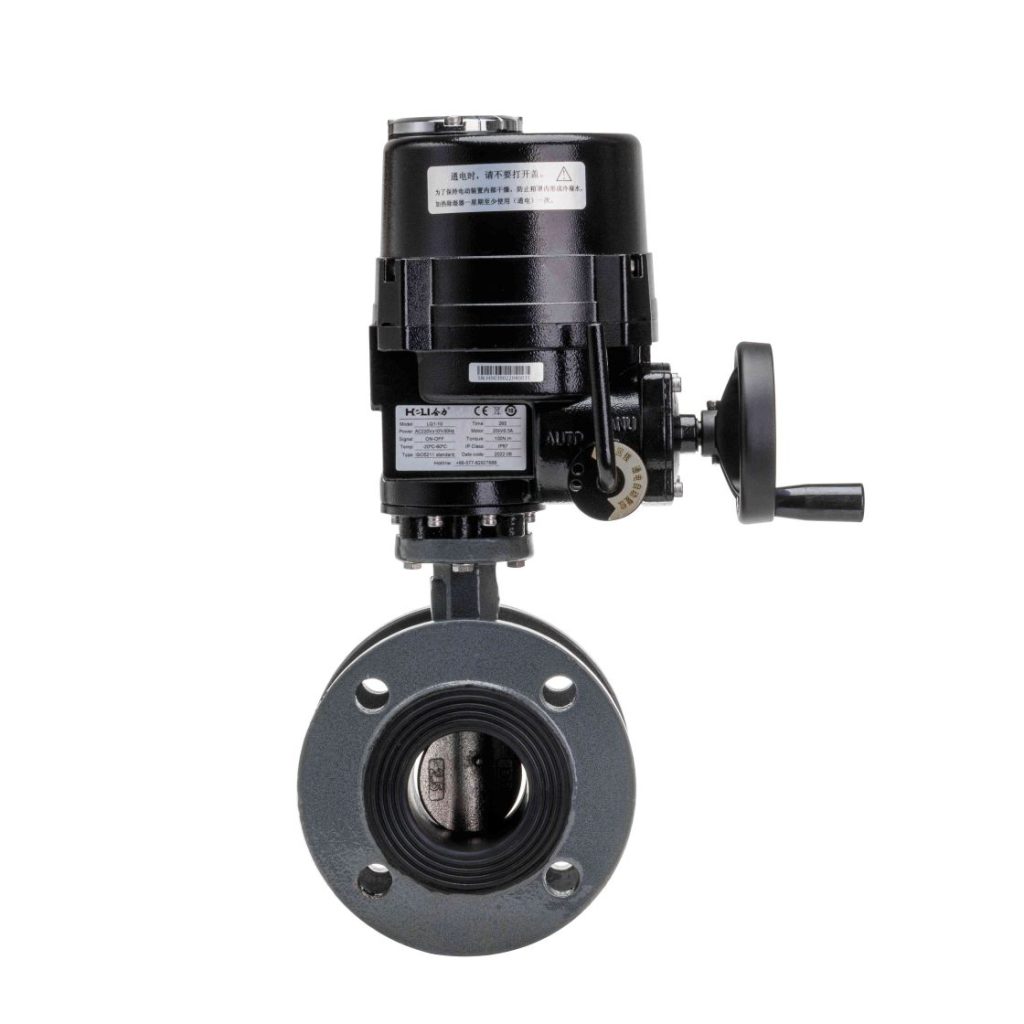
An electric ball valve is a type of valve that uses an electric actuator to rotate a ball with a hole (or port) through which the fluid flows. By turning the ball 90 degrees, the valve either opens or closes, allowing or stopping the flow of the fluid. The actuator, which is powered by electricity, is responsible for controlling the rotational movement of the ball, and depending on the type, it can either be a simple on/off actuator or a more complex modulating actuator that can precisely control the valve’s position. Key Components of Electric Ball Valves The electric ball valve consists of three main components: