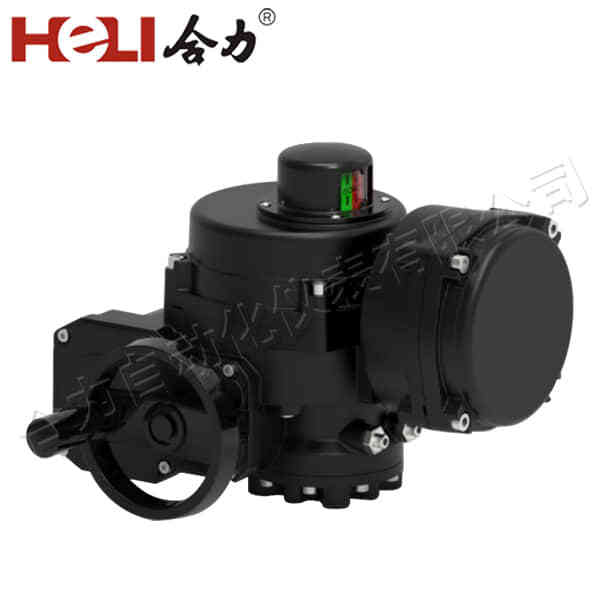
Electric actuators are integral components in a wide range of industrial and commercial systems, playing a pivotal role in automation. They convert electrical energy into mechanical motion, enabling the control of various processes that require precise and efficient movement. This article explores the functionality, types, applications, and benefits of electric actuators, highlighting their significance in modern industries.
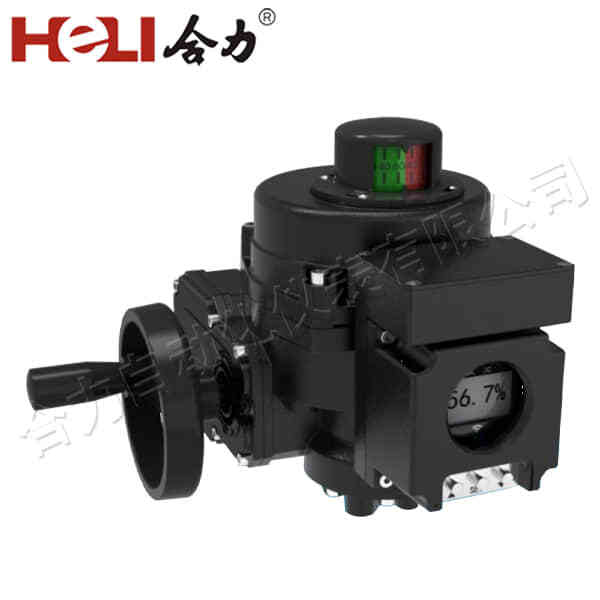
What is an Electric Actuator?
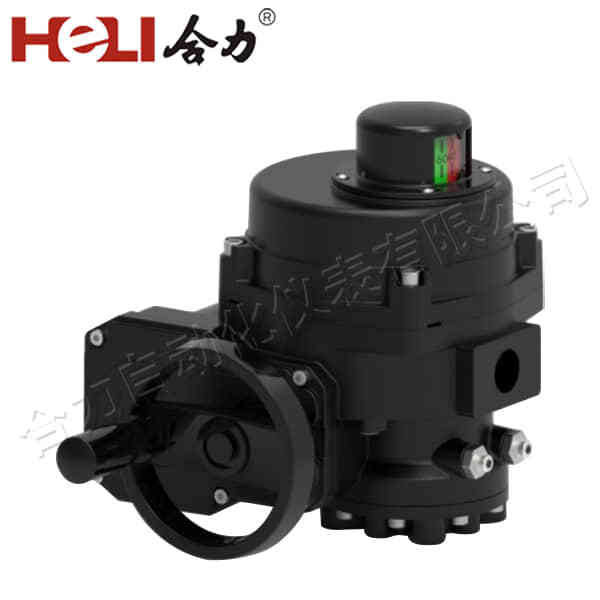
An electric actuator is a device that uses electrical energy to produce mechanical motion. Unlike manual or pneumatic systems, electric actuators offer high precision, reliability, and ease of control. They are capable of generating both linear and rotational motion, making them versatile in applications such as robotics, automation, and industrial machinery. Electric actuators typically consist of a few main components: Electric Motor: The source of power that drives the actuator’s movement. It can be a direct current (DC) motor, alternating current (AC) motor, or stepper motor, depending on the required application.