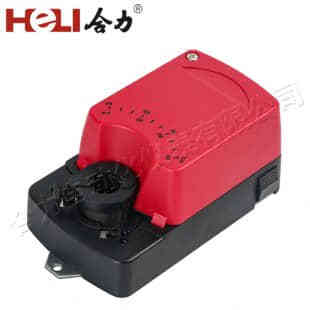
Damper actuators are essential components in modern HVAC (Heating, Ventilation, and Air Conditioning) systems, playing a crucial role in controlling airflow, temperature regulation, and energy efficiency. These devices adjust the position of dampers, which are mechanical components designed to regulate the flow of air in ventilation ducts or air handling units. The importance of damper actuators in maintaining optimal climate control and ensuring energy-efficient operations in commercial and residential buildings cannot be overstated. This article explores the role of damper actuator manufacturers in providing reliable solutions to meet the growing demand for advanced HVAC systems.
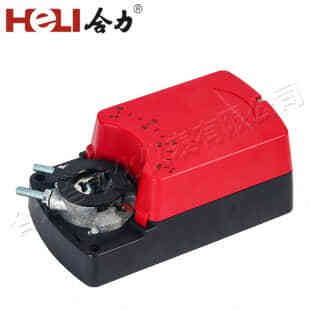
What is a Damper Actuator?
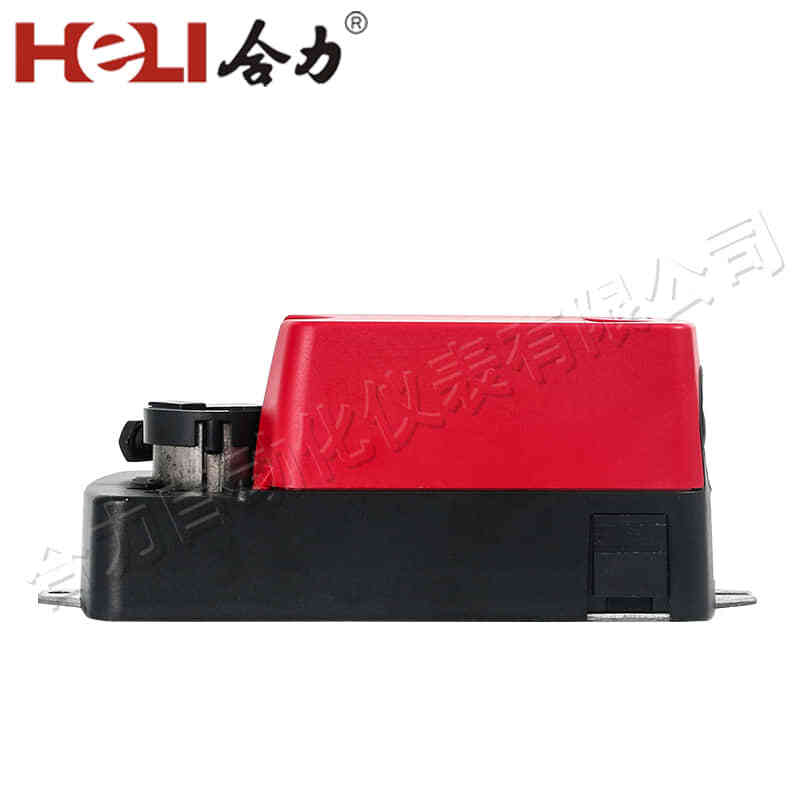
A damper actuator is a device that automates the operation of a damper in an air distribution system. Dampers themselves are valves used to regulate the airflow within ducts, chimneys, or other ventilation pathways. These actuators receive signals from a building’s HVAC system or a centralized building automation system and then adjust the damper position to allow more or less airflow depending on the demand. In essence, damper actuators enable automatic control, contributing to the overall performance and efficiency of HVAC systems. The primary types of damper actuators are electric, pneumatic, and manual, with electric actuators being the most commonly used in modern systems due to their precision and ease of integration into automated control systems.