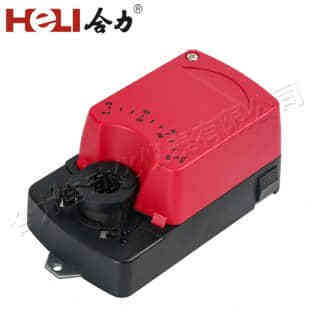
When it comes to HVAC systems and industrial ventilation, one of the most crucial components for regulating airflow is the damper actuator. These devices play a pivotal role in controlling the position of dampers, which in turn affects the airflow, temperature, and even energy efficiency in a system. Understanding the importance of a reliable damper actuator manufacturer can significantly influence the performance and longevity of HVAC systems, industrial applications, or building automation setups. This article delves into the key aspects to consider when choosing a damper actuator manufacturer, as well as the major players in the market.
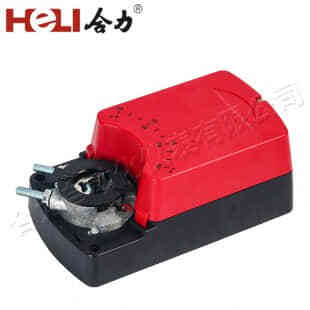
What Is a Damper Actuator?
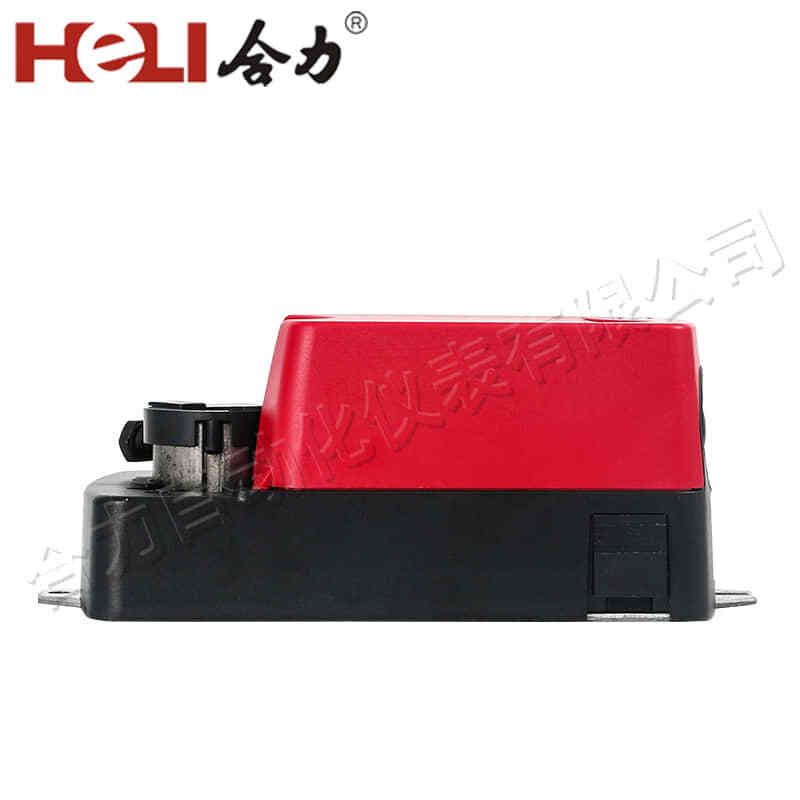
A damper actuator is a mechanical or electronic device used to control the position of a damper, which regulates the flow of air in a ventilation or air-conditioning system. The actuator converts a control signal (usually electrical or pneumatic) into mechanical motion, thereby opening or closing the damper to a specified angle. The primary function of these actuators is to ensure the proper regulation of air, thereby maintaining the desired temperature and air quality while optimizing energy consumption. There are two primary types of damper actuators: Electric Actuators: These are the most commonly used in modern HVAC systems. They are powered by electricity and typically use a motor to rotate the damper. Electric actuators are known for their precision and ease of integration with building management systems (BMS), which makes them ideal for both residential and commercial applications.