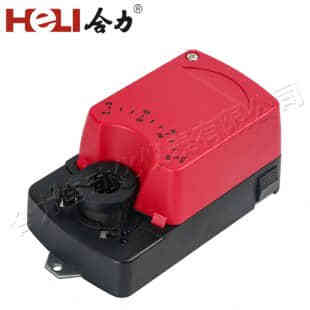
Damper actuators play a crucial role in regulating airflow within heating, ventilation, and air conditioning (HVAC) systems. These devices control the position of dampers, which are mechanical components that open and close to regulate the volume of air flowing through a duct. Whether electric, pneumatic, or manual, damper actuators ensure that systems maintain optimal performance and energy efficiency. This article explores the importance, functionality, and applications of damper actuators in modern HVAC setups.
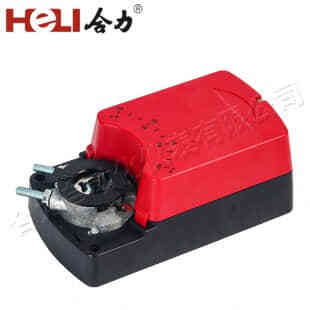
What is a Damper Actuator?
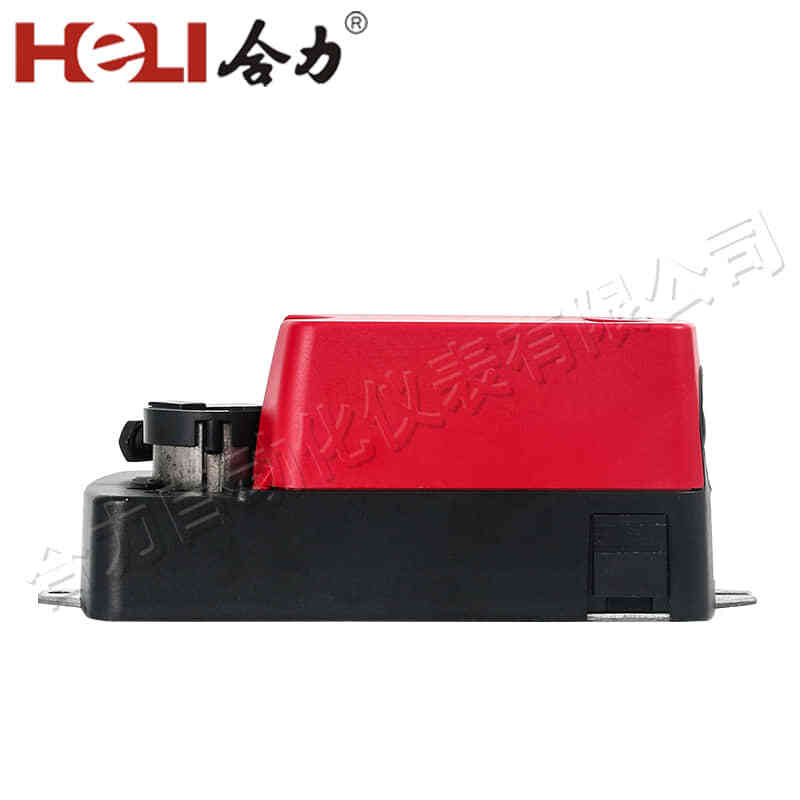
A damper actuator is a mechanical or electromechanical device that controls the operation of a damper in an HVAC system. Dampers are usually installed in ductwork to regulate air flow, and the actuator adjusts their position by either opening or closing them. This adjustment can be done automatically or manually, depending on the design and application of the HVAC system. The primary function of a damper actuator is to modulate the damper’s position based on specific control signals. These signals can come from a thermostat, a central control unit, or an automated building management system (BMS). The actuator ensures that the damper opens or closes to a precise degree, ensuring that airflow is optimized for comfort, energy efficiency, and safety.