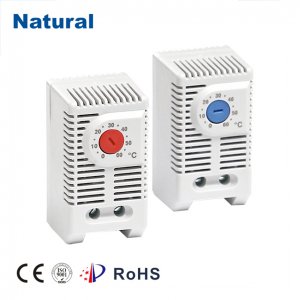
A control bimetal thermostat thermal protector is an essential safety component used in various electrical devices and appliances to protect them from overheating and potential damage. This mechanism integrates the functions of both a thermostat and a thermal protector, ensuring that electrical systems remain safe and functional under fluctuating temperature conditions. With applications in everything from household appliances to industrial machinery, understanding the principle, benefits, and uses of this device is crucial for manufacturers, engineers, and consumers alike.
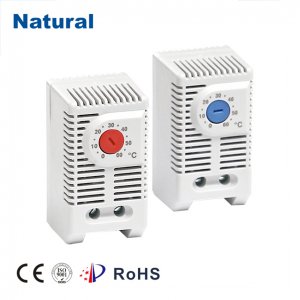
The Basics of Bimetal Thermostat Thermal Protectors
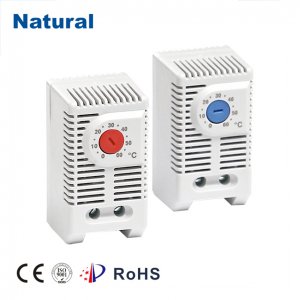
At its core, a bimetal thermostat consists of two distinct metals, each with different coefficients of expansion. These metals are bonded together, forming a strip that reacts to temperature changes by bending. The bending action causes the contacts within the device to open or close, allowing or interrupting the flow of electricity. In the case of a thermal protector, the bimetallic strip is designed to activate when the temperature exceeds a certain threshold, providing an automatic shutdown or cutoff to prevent overheating. The unique aspect of a control bimetal thermostat thermal protector is that it not only regulates temperature like a traditional thermostat but also serves as a safety measure. It will shut off or limit power to an appliance when excessive heat is detected, thus avoiding dangerous conditions such as fires, equipment breakdowns, or electrical malfunctions.