Relay functional testing is a crucial process in the field of electrical and electronic engineering, where it serves as a primary method to ensure that relays are operating according to their intended purpose. A relay is an electromechanical device used to control a circuit by opening or closing contacts in response to an electrical signal. These devices are found in a wide variety of applications, from industrial automation systems to automotive circuits and power distribution networks. Relay functional testing helps ensure their reliability, efficiency, and long-term performance in these applications.
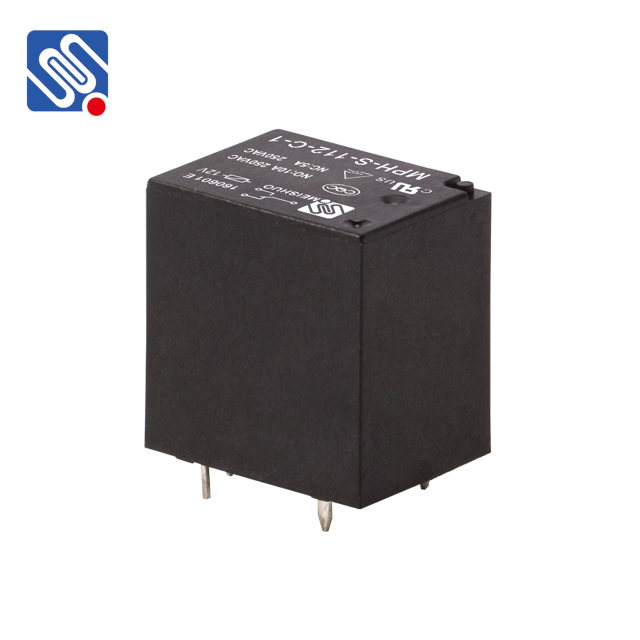
What is Relay Functional Testing? Relay functional testing involves a series of procedures aimed at verifying the performance of a relay under different operating conditions. The purpose is to ensure that the relay performs its intended functions, such as switching on/off a circuit, responding to control signals, and enduring operational stresses without failure. Since relays are integral to the proper functioning of electrical circuits, particularly in automation and safety-critical systems, their failure can lead to significant operational disruptions, safety hazards, or even catastrophic system failures.