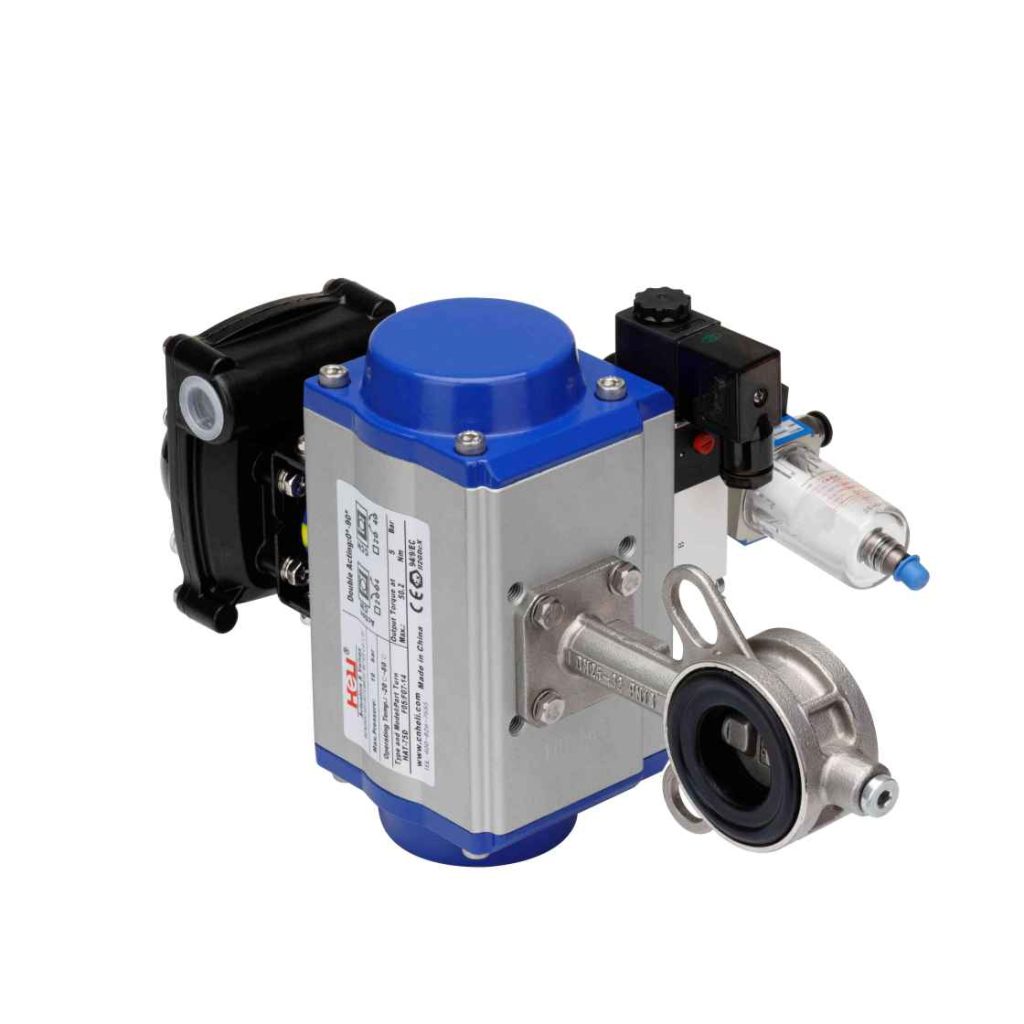
The WCB Pneumatic Butterfly Valve is a type of valve commonly used in fluid control systems to regulate the flow of liquids, gases, and slurries. With its robust construction, efficient performance, and easy operation, this valve has found extensive use across various industries, from chemical processing to water treatment plants. This article explores the essential features, working principles, advantages, and applications of the WCB Pneumatic Butterfly Valve.
Understanding the WCB Pneumatic Butterfly Valve
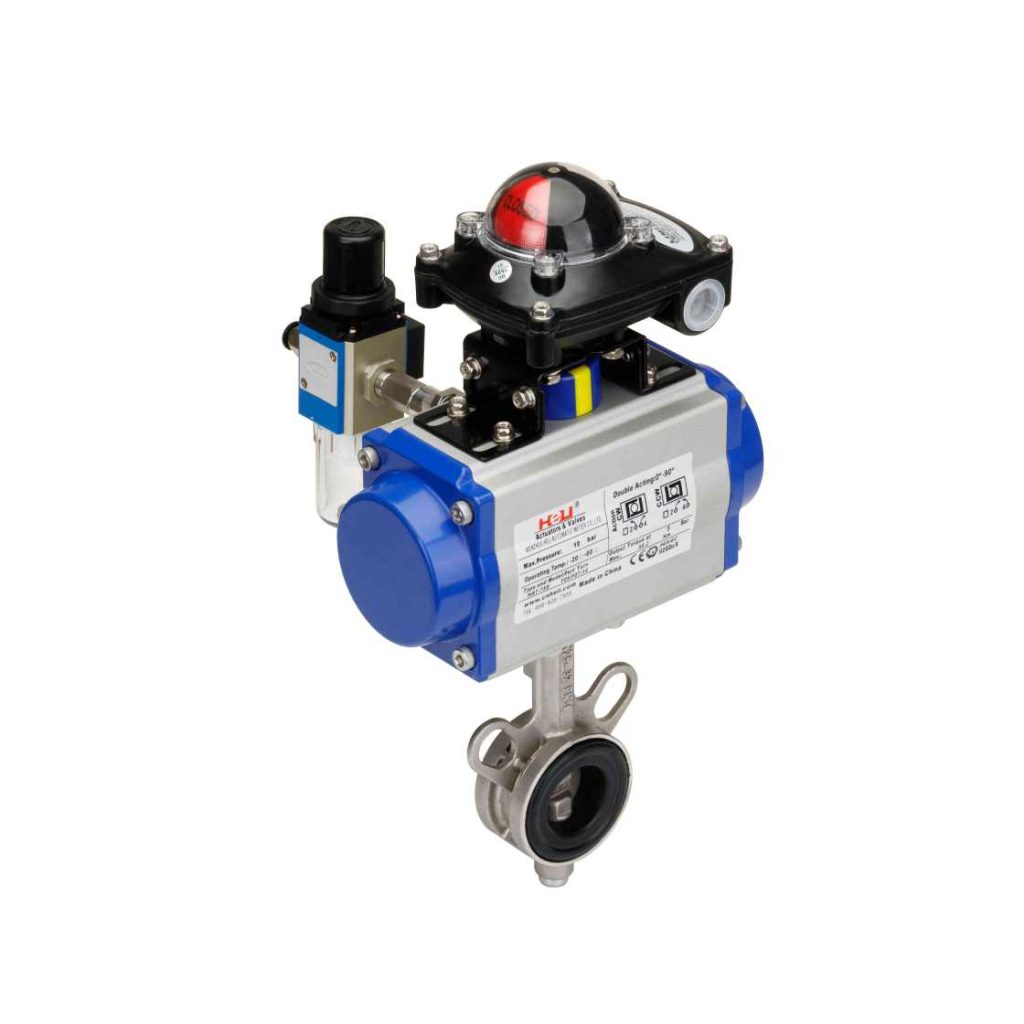
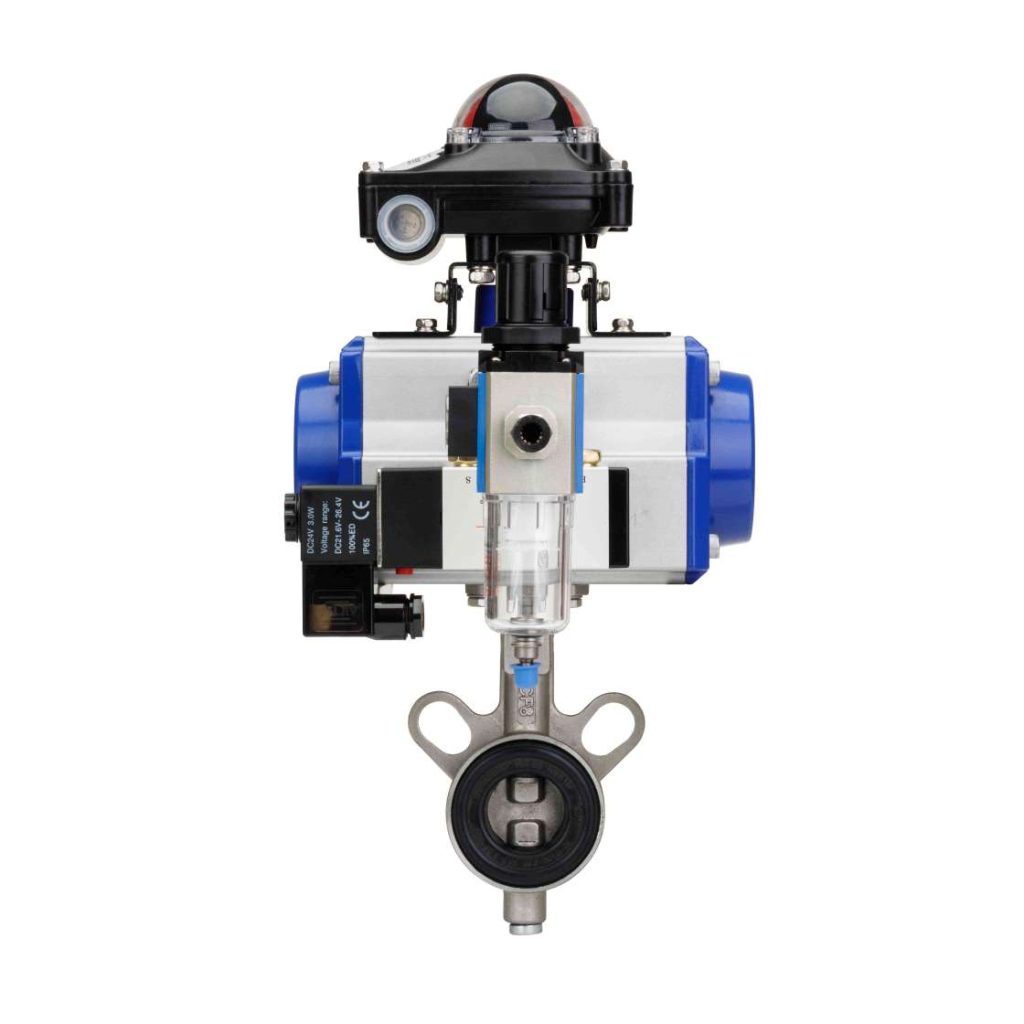
The term “WCB” in the WCB Pneumatic Butterfly Valve refers to the material from which the valve body is made—Wrought Carbon Steel (WCB). WCB is a commonly used carbon steel alloy in the manufacturing of valves, known for its strength, toughness, and resistance to corrosion. It is particularly effective in environments where medium to low pressure levels are prevalent, making it an ideal choice for many industrial applications. The pneumatic component of this valve indicates that it is operated by air pressure. A pneumatic actuator is attached to the valve, using compressed air to rotate the butterfly disc inside the valve body. This mechanism allows for fast and accurate flow control, making the WCB Pneumatic Butterfly Valve ideal for automated processes where remote control and quick response times are required.