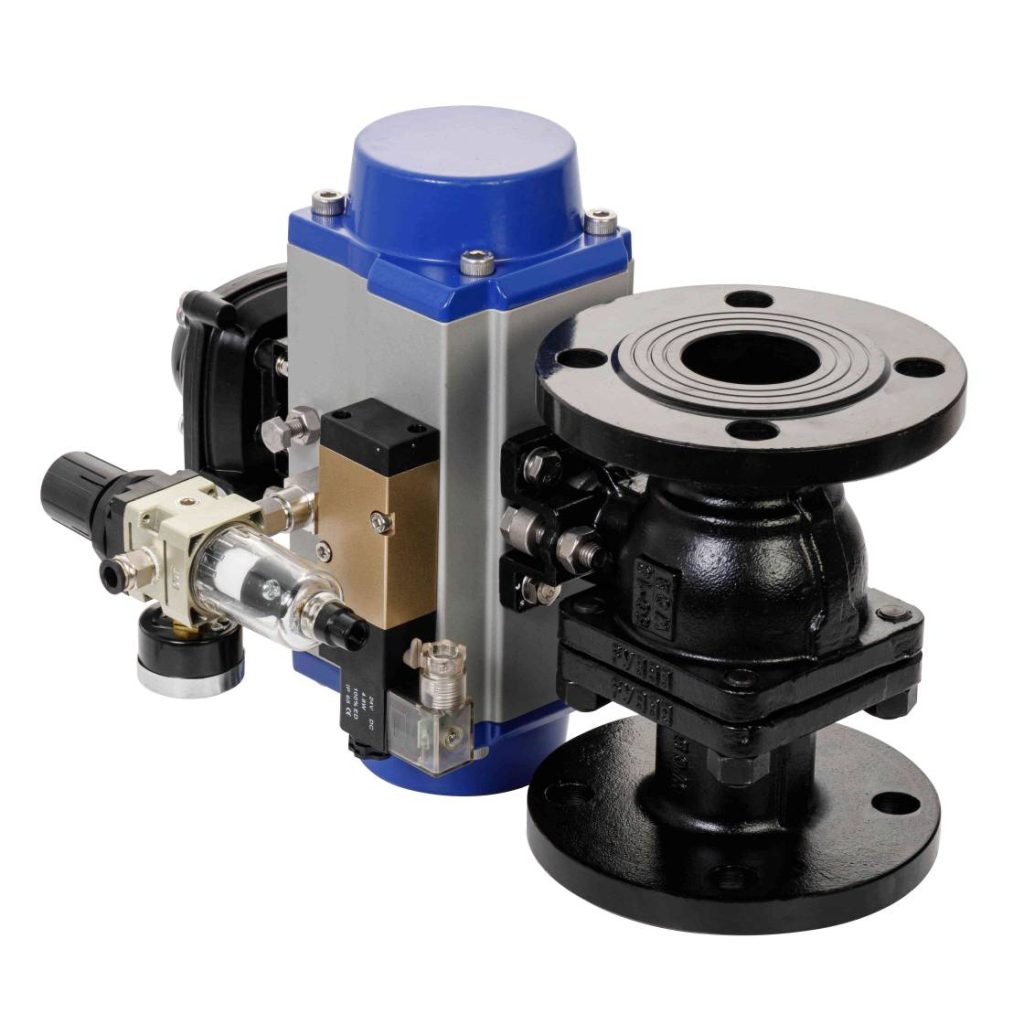
The Stainless Steel Pneumatic Ball Valve is a critical component in various industrial systems that require precise control of fluid flow. By combining the durability of stainless steel with the efficiency of pneumatic actuation, this valve type offers an ideal solution for many applications, including the chemical, pharmaceutical, food, and beverage industries. This article provides a detailed overview of the features, advantages, and common uses of stainless steel pneumatic ball valves.
What is a Stainless Steel Pneumatic Ball Valve?
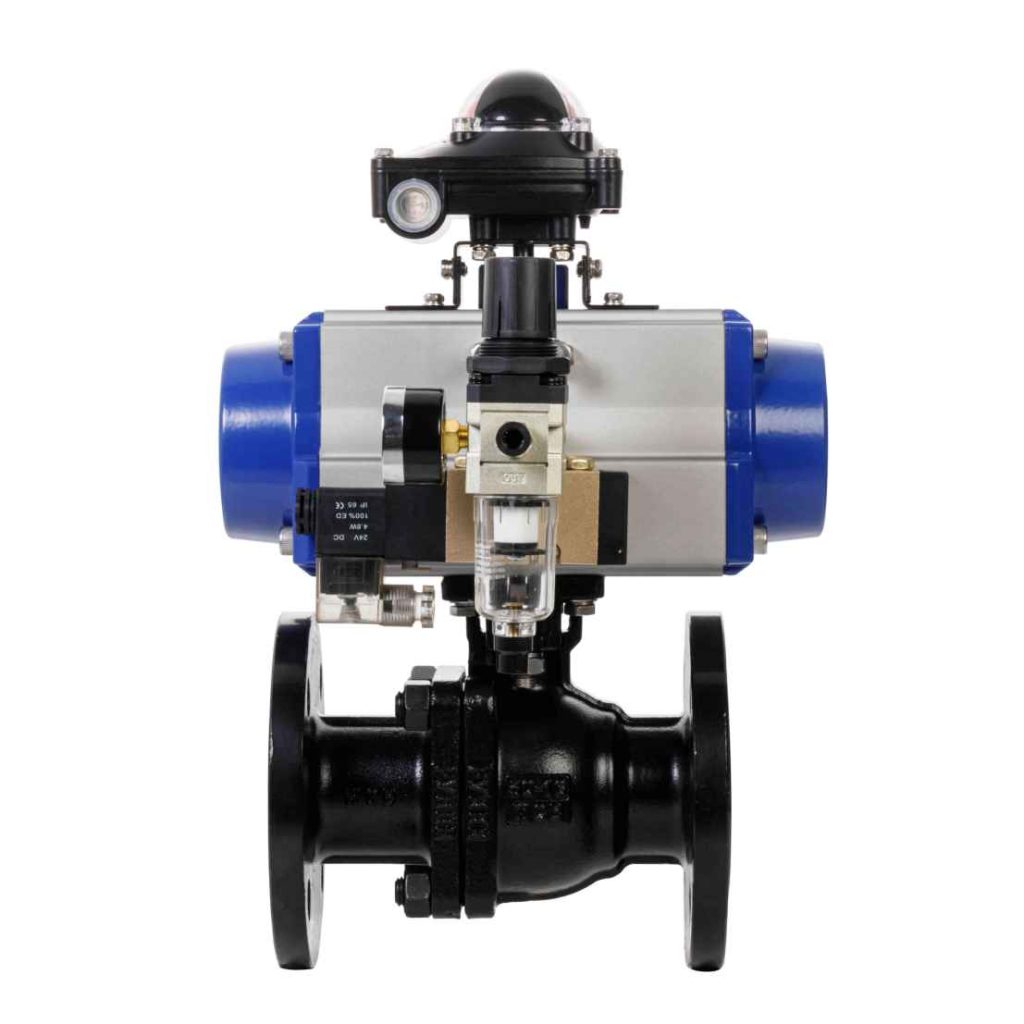
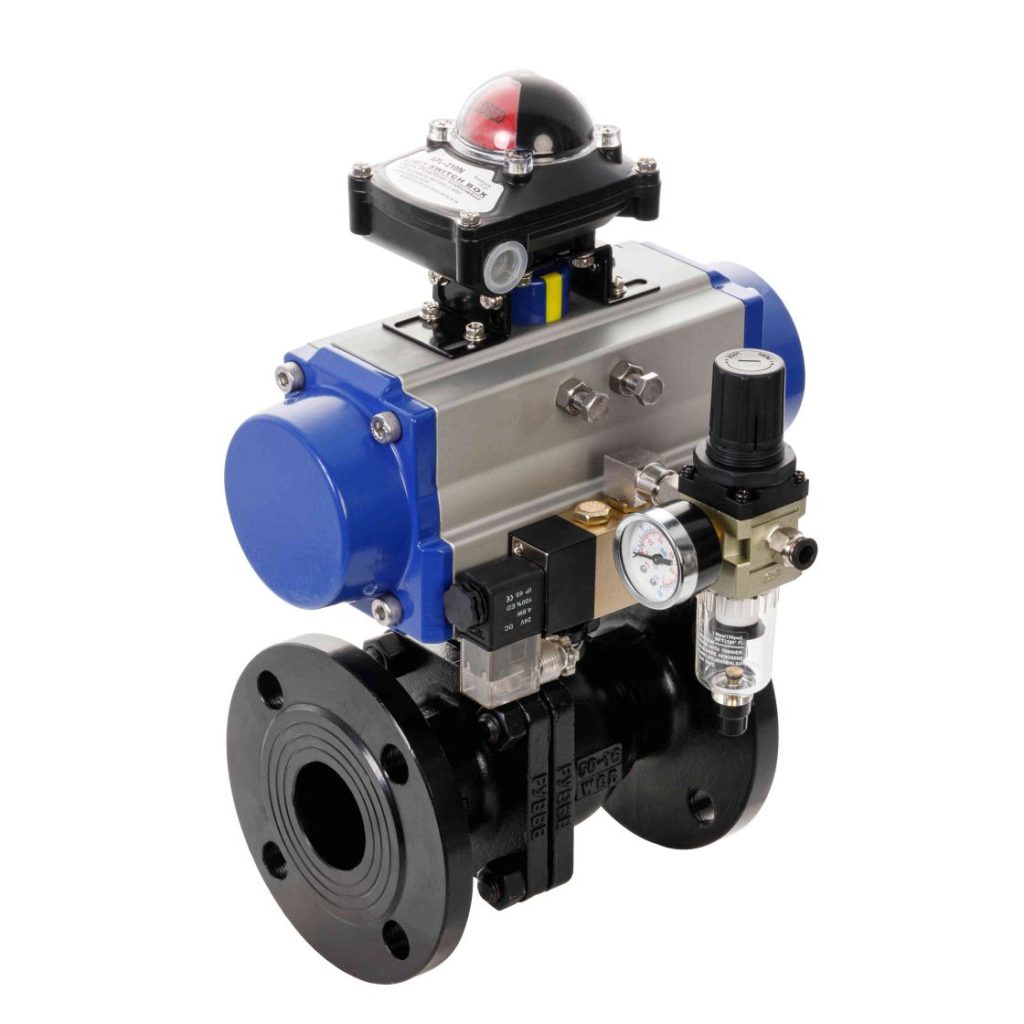
A stainless steel pneumatic ball valve is a valve that uses a spherical ball with a hole or port through its center to control the flow of liquids or gases. The ball is mounted inside the valve body, and it can rotate 90 degrees to either allow or block the flow. What distinguishes the pneumatic ball valve is its actuation method. Instead of being manually operated, it uses compressed air to open or close the valve. This pneumatic control provides quick, efficient, and remote operation, making it ideal for industrial environments where automation is key. The body of the valve is constructed from stainless steel, usually 304 or 316 grade, offering high resistance to corrosion and making it suitable for aggressive or chemically reactive environments.