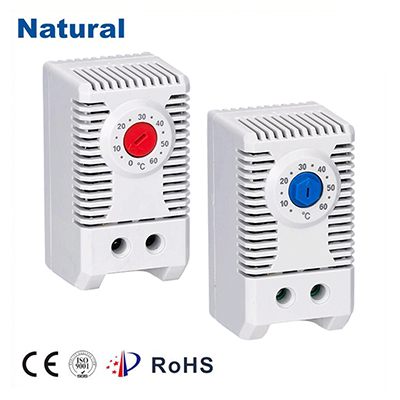
A Bimetal Thermostat is a widely used mechanical temperature control device that operates based on the principles of thermal expansion. It has found numerous applications in household appliances, industrial equipment, and automotive systems. By utilizing the distinct expansion characteristics of two different metals, this thermostat offers a reliable and efficient method of regulating temperature. In this article, we will explore the working principle of a bimetal thermostat, its applications, and its advantages and disadvantages.
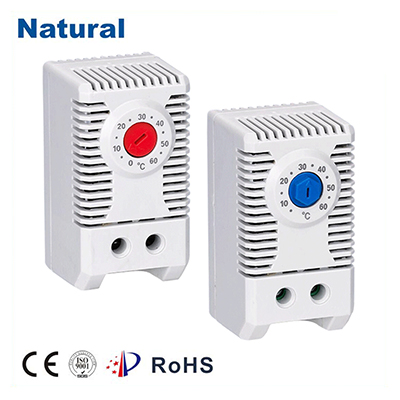
Working Principle of a Bimetal Thermostat
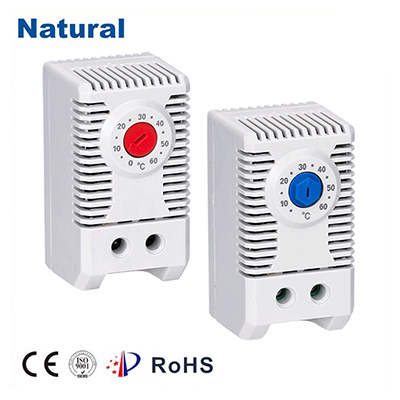
The bimetal thermostat is built on a simple yet effective mechanism. It consists of two metal strips with different coefficients of thermal expansion that are bonded together. When the temperature changes, each metal expands or contracts at a different rate, causing the bimetallic strip to bend or deflect. This bending action is the key to activating or deactivating the thermostat’s switch. As the temperature increases, the metal with the higher coefficient of expansion expands more than the other, causing the bimetal strip to curve. This curvature moves a mechanical switch that either opens or closes an electrical circuit, depending on the design of the thermostat. When the temperature decreases, the metals contract, and the strip straightens, restoring the switch to its original position.