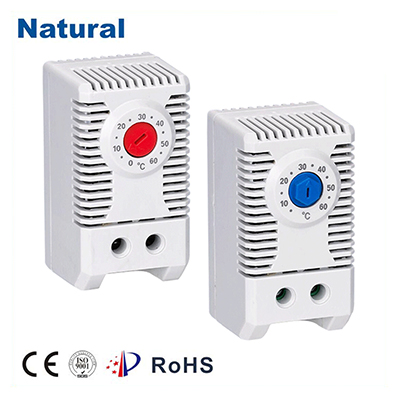
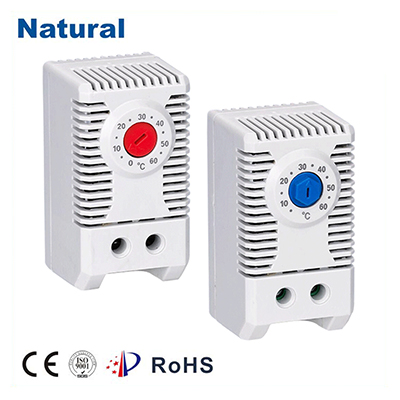
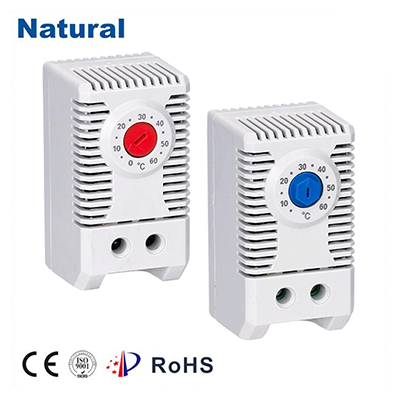
A bimetal thermostat is a widely used temperature control device that relies on the principle of thermal expansion differences between two distinct metals. It plays a crucial role in protecting electrical appliances, industrial machines, and automotive systems by regulating temperature fluctuations. This article explores the working principle, applications, advantages, and limitations of bimetal thermostats, offering an in-depth understanding of their importance in modern technology.
Working Principle of a Bimetal Thermostat
The basic operating principle of a bimetal thermostat is simple yet highly effective. It consists of two metal strips that are bonded together, each made from a different material with a distinct coefficient of thermal expansion. When the temperature rises, the metals expand at different rates, causing the bimetal strip to bend or curve. This deformation activates a mechanical switch, either opening or closing an electrical circuit. Typically, the bimetallic strip is designed so that as the temperature increases, the strip bends to open the circuit (cutting off power to the connected device) or, in some cases, closes the circuit to activate a heating element. Once the temperature drops back to the desired level, the strip returns to its original position, restoring the connection.