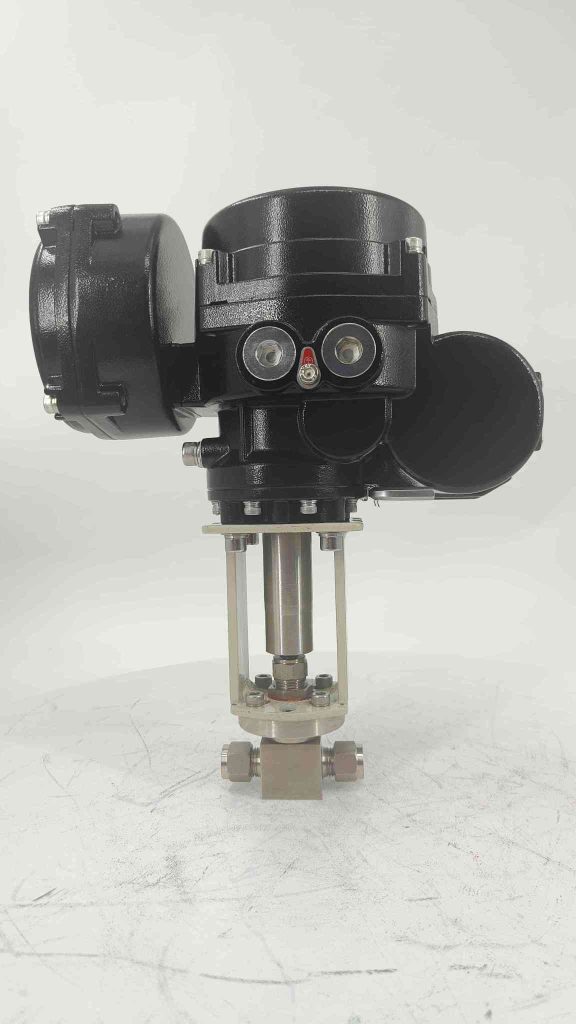
Lithium battery valve plays a crucial role in ensuring the safety, stability, and performance of modern lithium-ion batteries, which are widely used in electric vehicles, portable electronics, and large-scale energy storage systems. As the demand for high-capacity and high-energy-density batteries continues to grow, the importance of incorporating reliable safety mechanisms such as lithium battery valves has become increasingly evident.
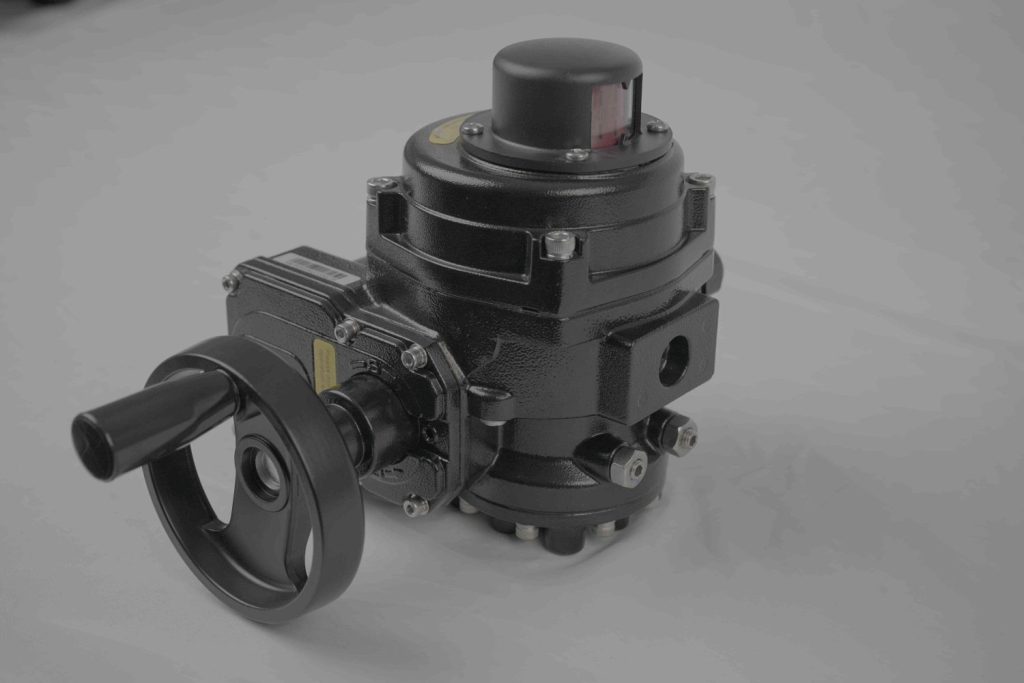
A lithium battery valve is essentially a pressure relief device integrated into the battery structure. Its primary function is to regulate and release internal pressure when it exceeds a certain threshold. During normal operation, lithium-ion batteries undergo electrochemical reactions that are generally stable. However, under abnormal conditions such as overcharging, overheating, internal short circuits, or mechanical damage, these reactions can become uncontrollable, leading to the generation of gases inside the battery cell. If these gases are not released in time, the internal pressure may rise rapidly, potentially causing the battery to swell, rupture, or even explode. The lithium battery valve is designed to prevent such catastrophic failures by providing a controlled pathway for gas release.
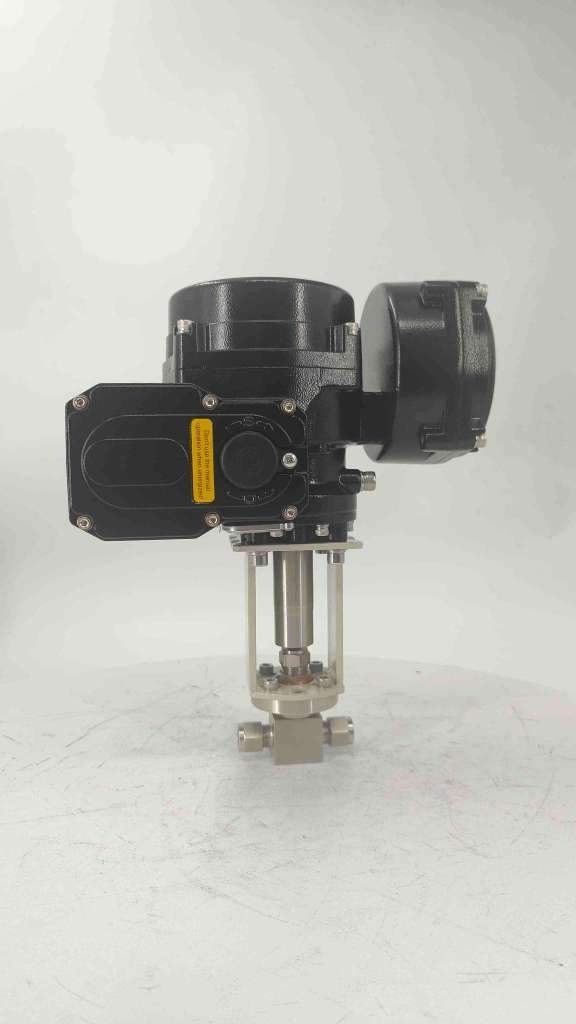
There are several types of lithium battery valves, each designed to meet specific application requirements. One of the most common types is the pressure relief valve, which opens automatically when the internal pressure reaches a preset limit. Another type is the burst disk, which is designed to rupture at a specific pressure point, ensuring rapid pressure release in extreme conditions. Additionally, some advanced battery designs incorporate micro-porous valves that allow gradual gas diffusion, thereby reducing pressure buildup more smoothly. The materials used in lithium battery valves are carefully selected to withstand harsh internal environments. These materials must be resistant to corrosion from electrolyte chemicals and capable of maintaining structural integrity at high temperatures. Common materials include stainless steel, aluminum alloys, and specialized high-performance polymers. The design of the valve also requires precise engineering to ensure it opens at the correct pressure level without compromising the battery’s sealing performance during normal operation.