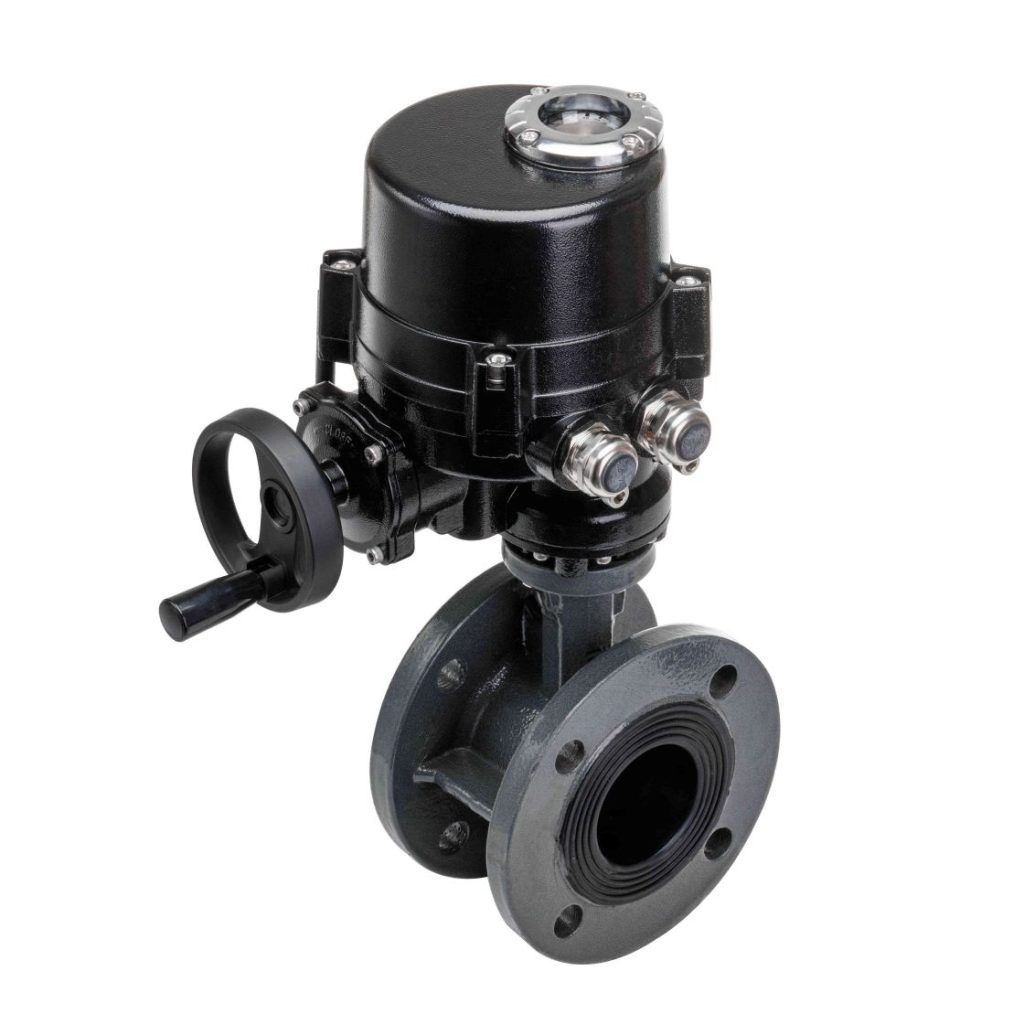
The WCB Electric Ball Valve is an essential component in industrial systems requiring efficient flow control for a variety of fluids, gases, and slurries. Known for its robust design and versatile functionality, this valve type is widely used across industries such as oil and gas, chemical processing, water treatment, and HVAC systems. This article will explore the key features, applications, and benefits of the WCB Electric Ball Valve, shedding light on its importance in modern automation systems.
Understanding WCB Electric Ball Valves
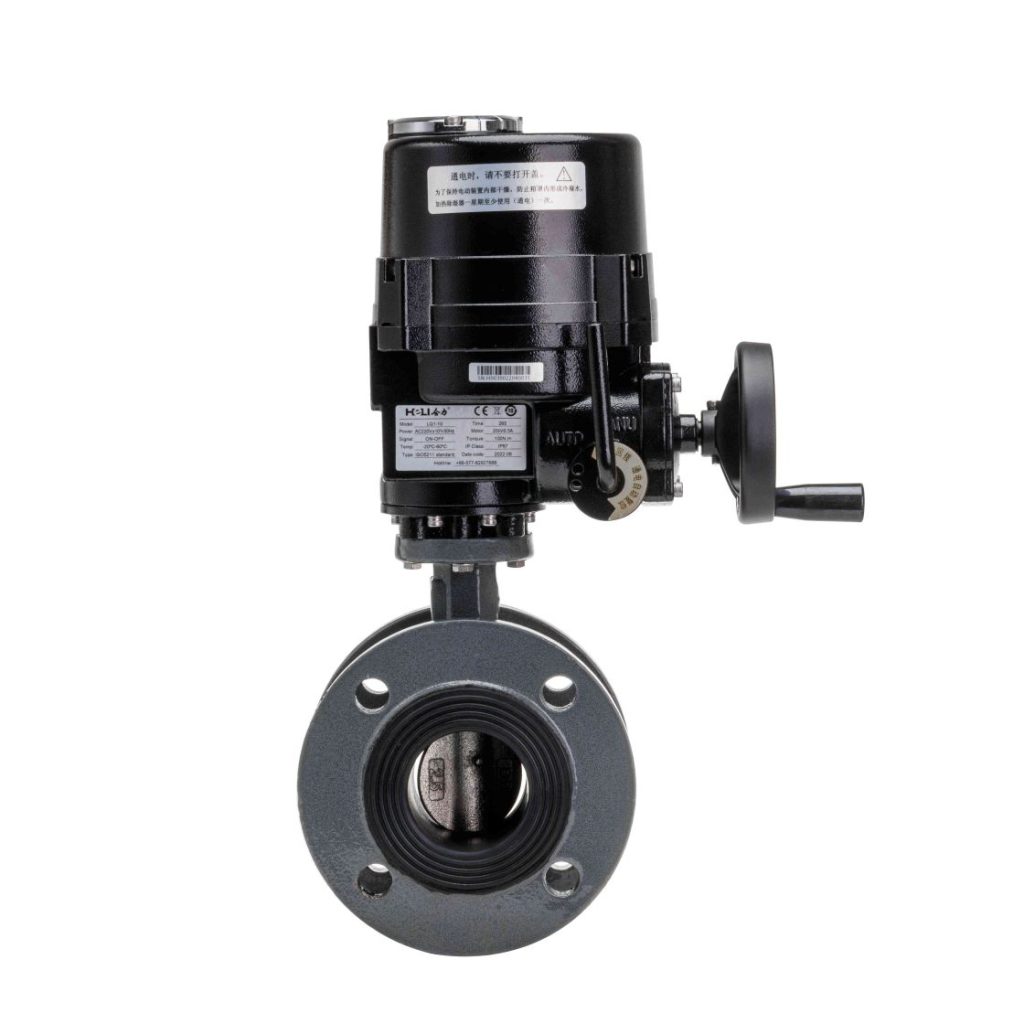
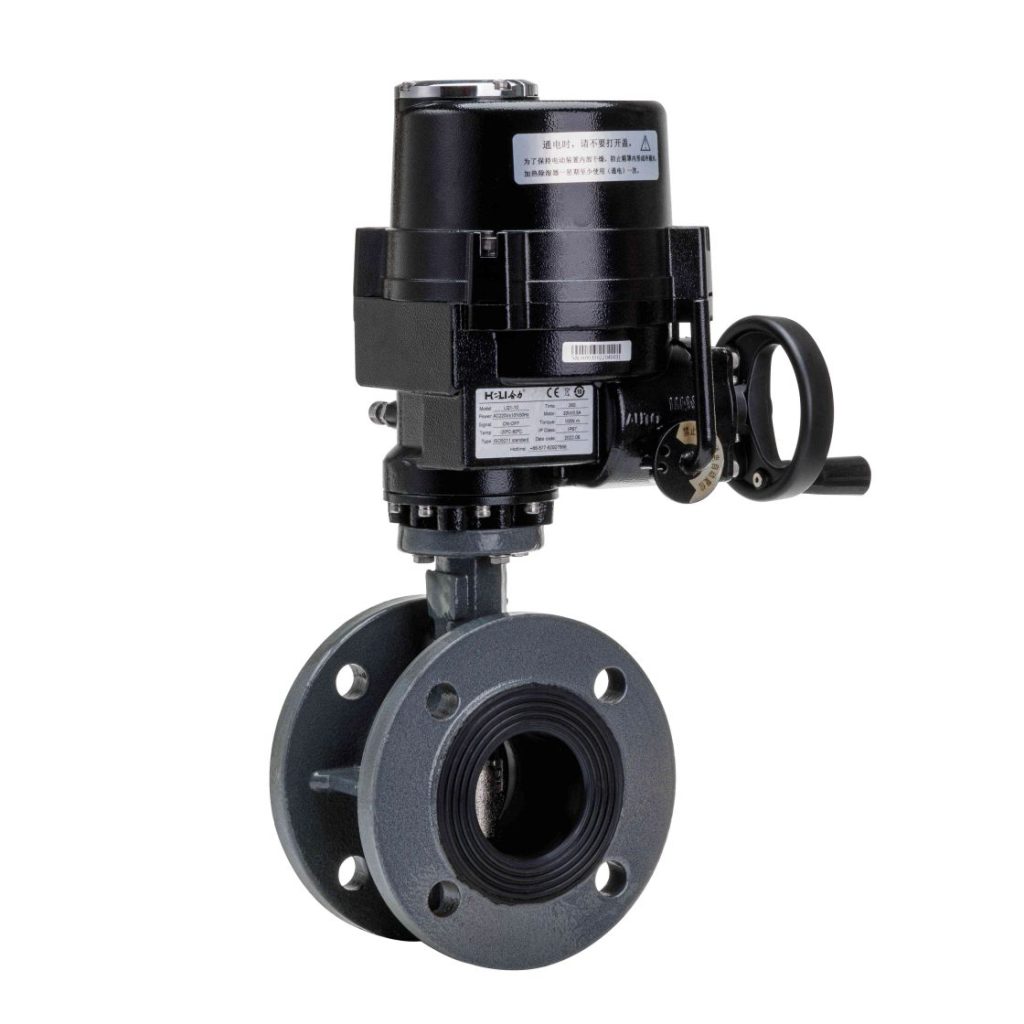
The term “WCB” stands for Welded Carbon Steel, a material commonly used in manufacturing industrial valves. The WCB Electric Ball Valve combines this durable material with an electric actuator for precise and reliable control of fluid flow. The ball valve itself consists of a hollow, perforated, and pivoting ball that regulates the flow of fluids through a pipe. By rotating 90 degrees, the valve either allows or completely blocks the flow, making it ideal for on/off control applications. Electric ball valves, like the WCB model, are equipped with an electric actuator that enables remote operation and automation of the flow control process. These actuators are available in various voltage options, including AC 220V, AC 380V, and DC 24V, depending on the needs of the application. The actuator typically includes limit switches, signal feedback, and even position indicators, ensuring seamless integration with automated control systems.