In the rapidly growing field of energy storage, lithium-ion batteries have become the cornerstone of modern electronics, electric vehicles, and large-scale renewable energy systems. With the surge in demand for safer and more efficient energy solutions, the role of the lithium battery valve manufacturer has emerged as a critical component in ensuring battery safety and performance. These manufacturers specialize in producing valves that regulate internal pressure, prevent catastrophic failures, and extend the lifecycle of lithium-ion batteries.
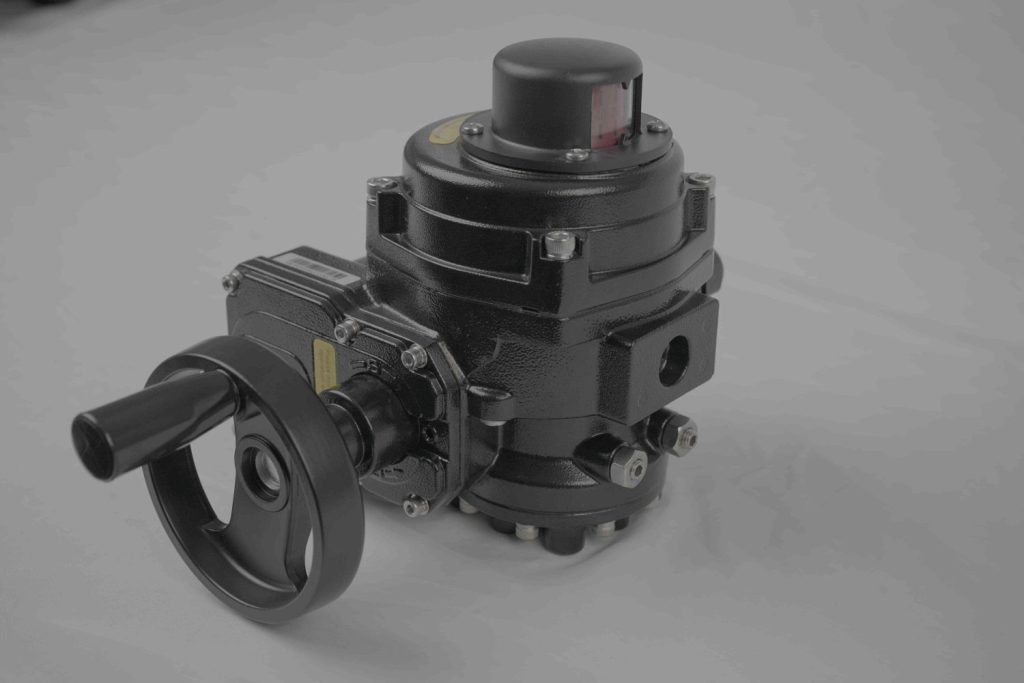
A lithium battery valve, often referred to as a safety or pressure relief valve, serves as the battery’s first line of defense against overpressure conditions. During charging, discharging, or in abnormal situations such as short circuits or overheating, gas may accumulate within the battery. If this pressure is not managed effectively, it can lead to swelling, leakage, or even explosions. Valve manufacturers design precise mechanisms that release excess gas safely, maintaining the structural integrity of the battery and protecting users from potential hazards. The design and production of these valves demand high technical expertise. Manufacturers must select materials that can withstand extreme temperatures and chemical exposure without compromising performance. Metals and high-performance polymers are commonly used to ensure durability, resistance to corrosion, and consistent operation. Moreover, the pressure threshold of each valve must be carefully calibrated to match the specific chemistry and capacity of the battery, whether it is a small consumer electronics cell or a large automotive battery module.