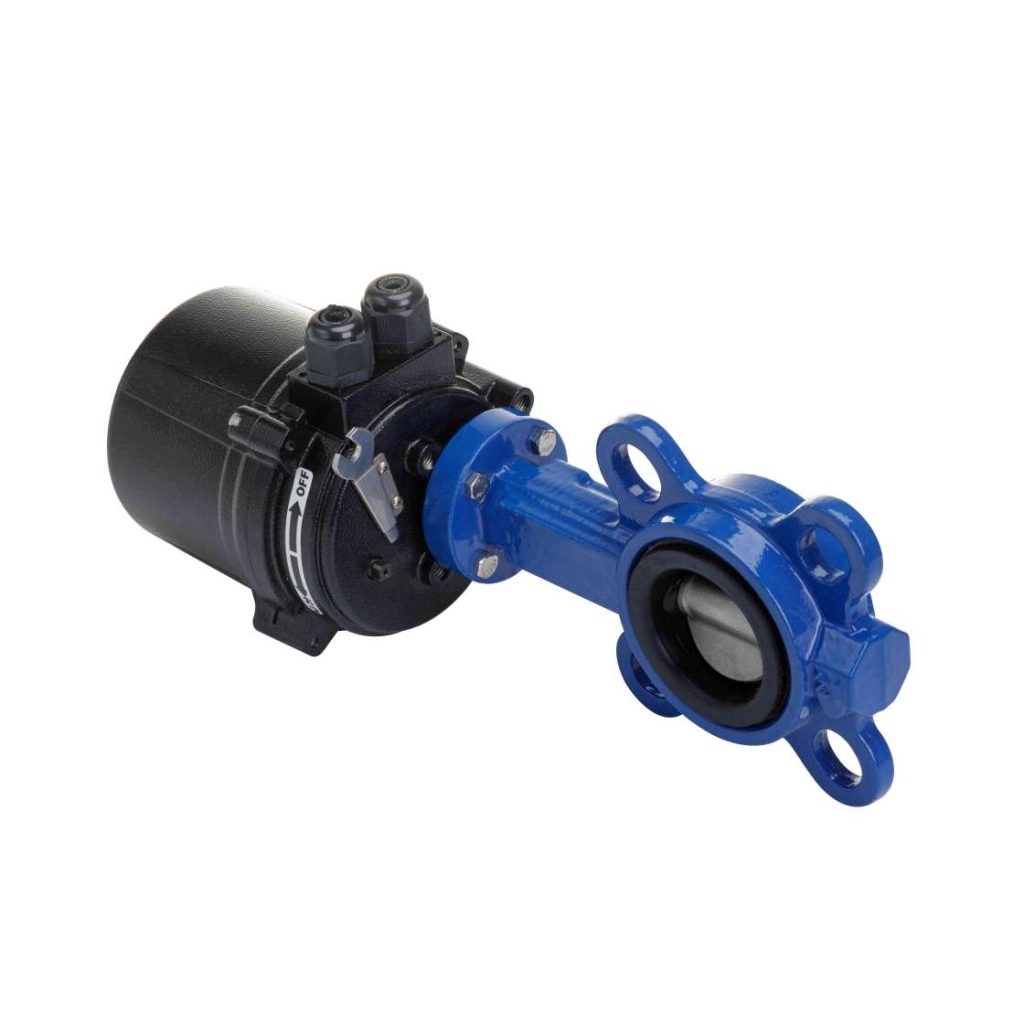
The WCB Electric Butterfly Valve is an essential component in various industrial applications, providing reliable and efficient control of fluid and gas flow. Whether in water treatment plants, HVAC systems, or oil and gas industries, the electric butterfly valve has become a critical element for ensuring smooth operations and minimal energy consumption. In this article, we will delve into the significance of the WCB Electric Butterfly Valve, its features, applications, and the benefits it offers to modern industrial systems.
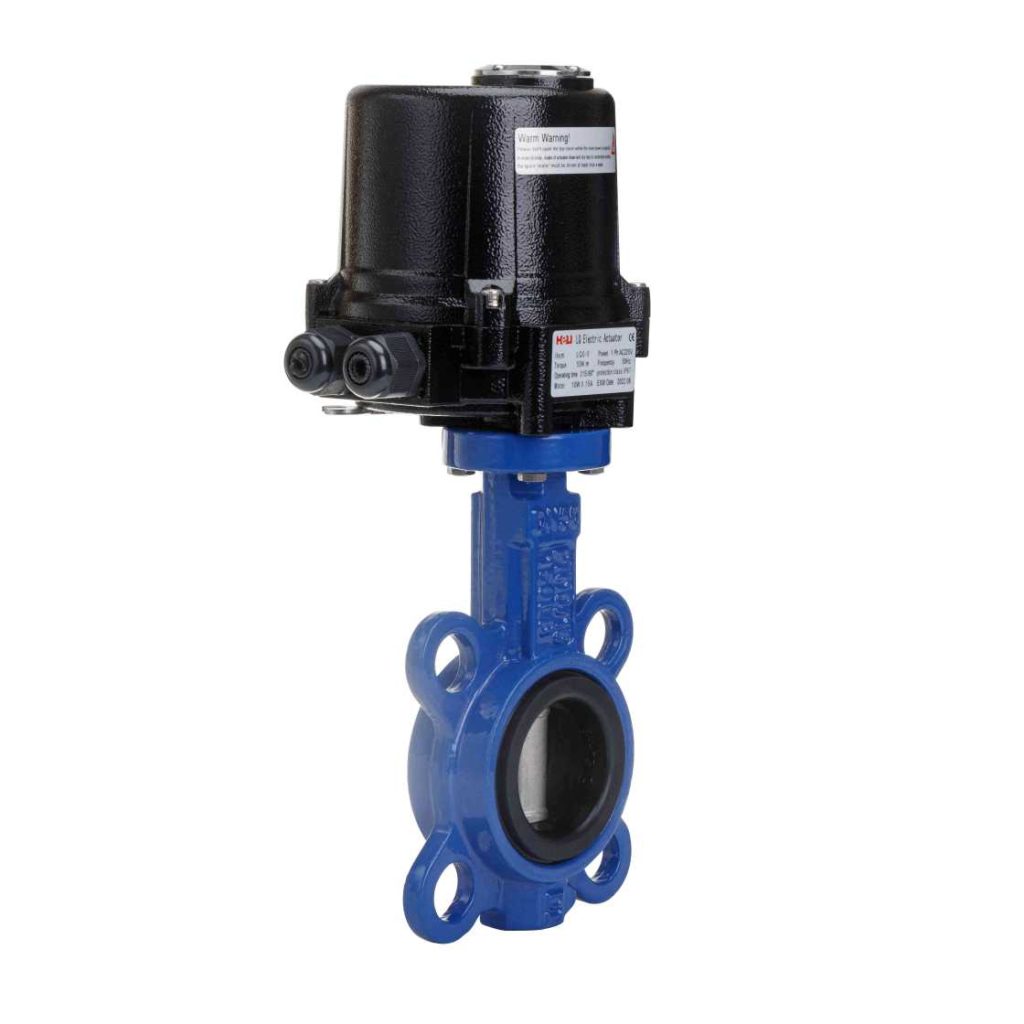
What is a WCB Electric Butterfly Valve?
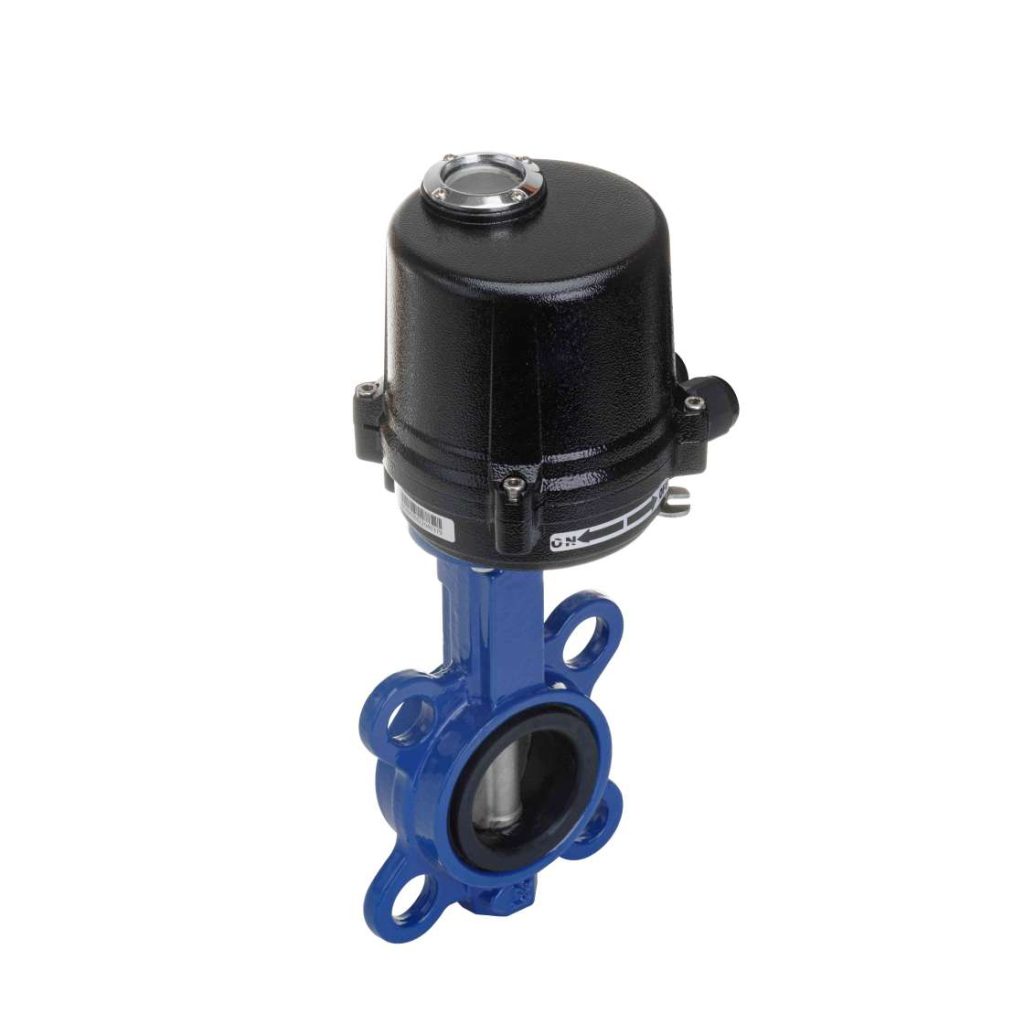
A butterfly valve is a type of valve that regulates or isolates the flow of a fluid by using a rotating disc to control the flow rate. The term “WCB” stands for “Wrought Carbon Steel,” which is the material commonly used for the body of this valve. WCB material is known for its excellent durability, strength, and resistance to corrosion, making it ideal for demanding industrial environments. The WCB Electric Butterfly Valve combines the traditional function of a butterfly valve with an electric actuator, allowing for automated control over fluid flow, making it highly beneficial in remote operations.