The WCB Electric Single Seat Regulating Valve is an essential component in fluid control systems, widely used across various industries for its precise flow regulation capabilities. This valve is designed to manage the flow of liquids or gases by adjusting the opening and closing of the valve seat, driven by an electric actuator. In this article, we will explore the technical features, benefits, applications, and considerations of the WCB Electric Single Seat Regulating Valve, shedding light on why it is favored in industrial processes.
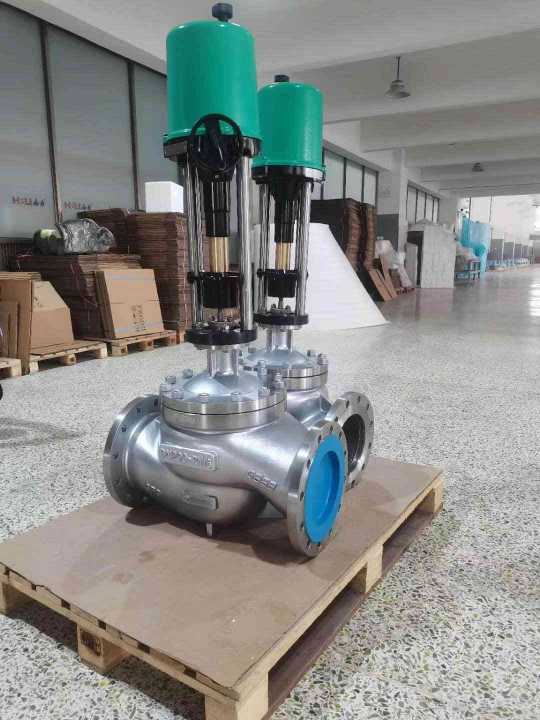
Understanding the Design and Operation At its core, the WCB Electric Single Seat Regulating Valve operates through a combination of mechanical and electrical components. The valve’s name “single seat” refers to the design of its valve seat, which has only one sealing surface. This configuration reduces friction, making the valve easier to maintain and more reliable in its operation. The electric actuator is the key component of this valve, allowing for automated and precise control over the valve’s opening. The actuator receives electrical signals, often in the form of 4-20mA input signals, and adjusts the valve’s position accordingly. This makes the valve ideal for systems that require remote control or integration with supervisory control and data acquisition (SCADA) systems.