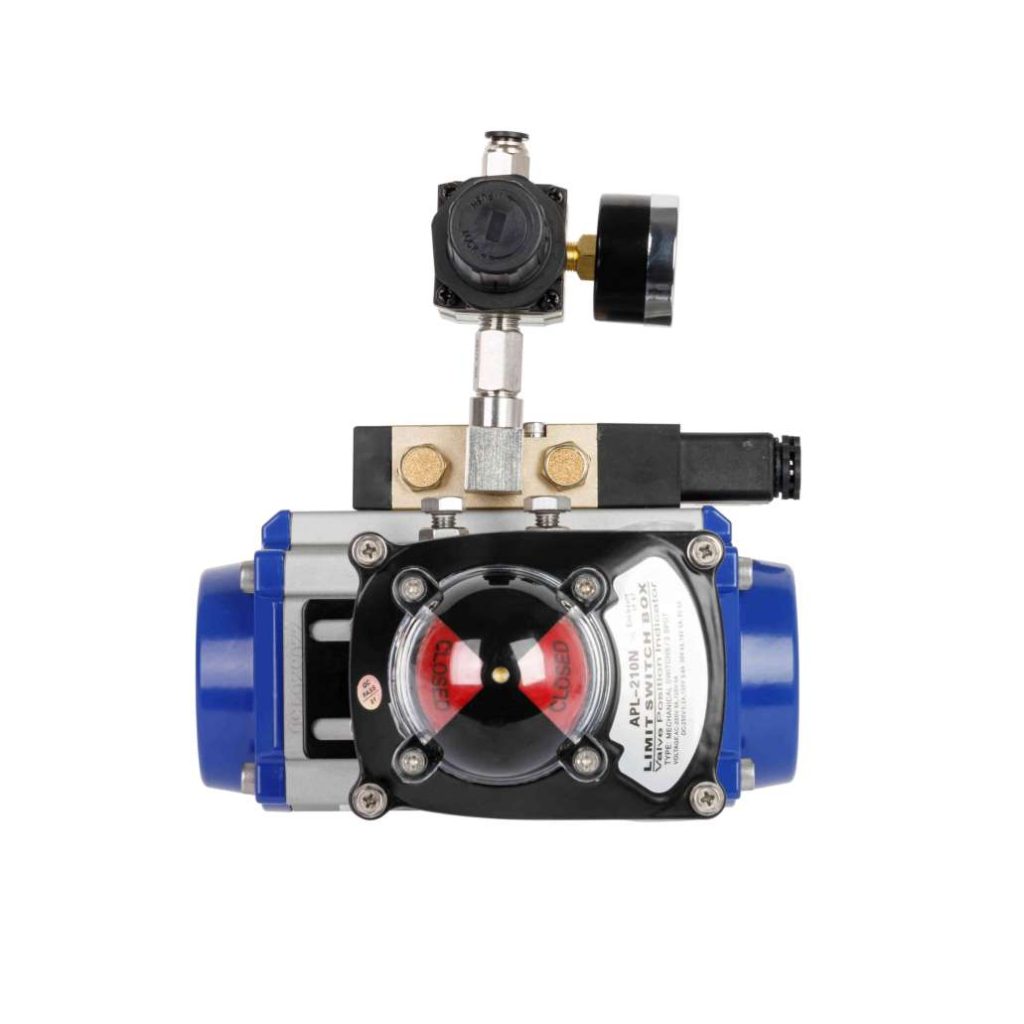
Pneumatic actuators are vital components in various industrial applications, converting compressed air into mechanical motion. These actuators are commonly used in automation systems for their efficiency, cost-effectiveness, and simplicity. They play an integral role in machinery and process control, offering a range of benefits for industries such as manufacturing, food processing, robotics, and more. This article explores the functioning, types, advantages, and limitations of pneumatic actuators, shedding light on their contribution to modern automation processes.
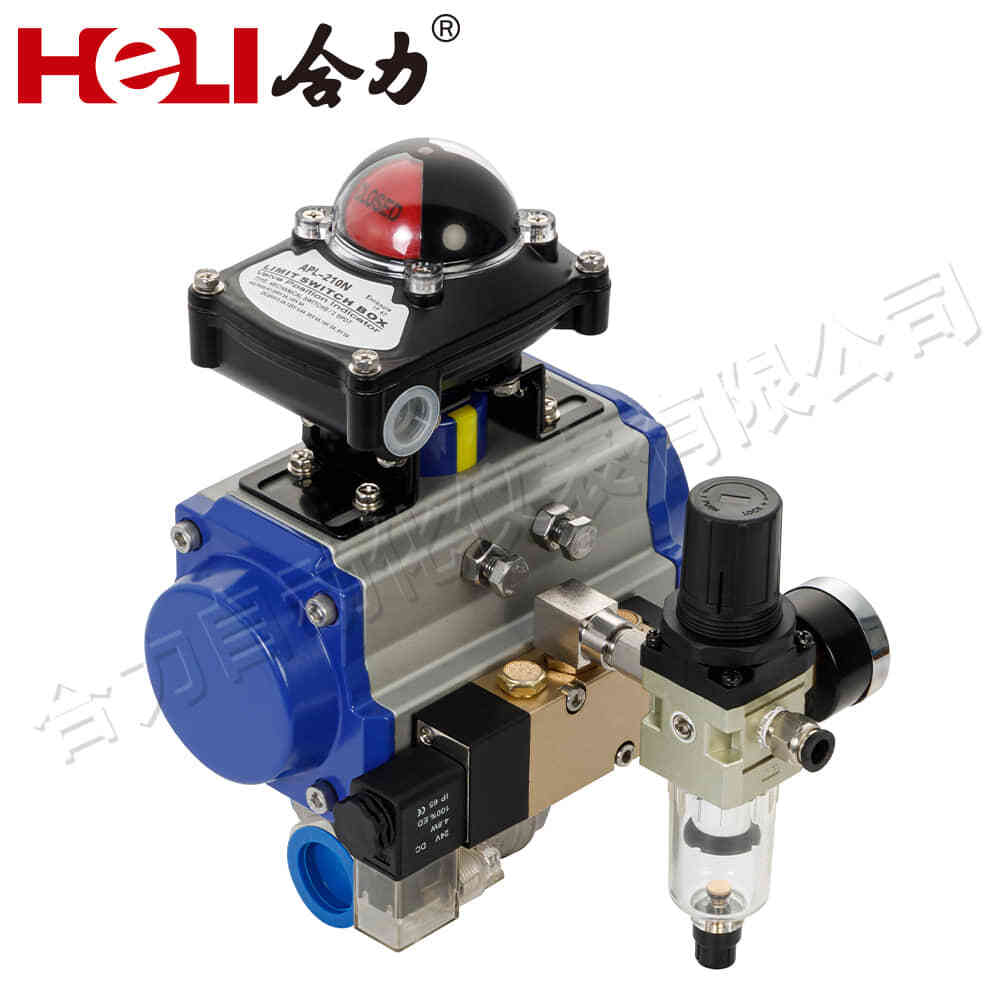
Functioning of Pneumatic Actuators
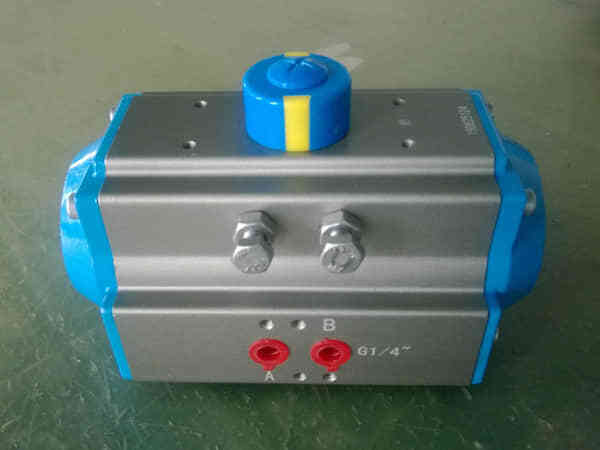
A pneumatic actuator operates by harnessing the power of compressed air to create mechanical motion. Compressed air is directed into the actuator, causing the internal piston or diaphragm to move. This motion can be either linear or rotary, depending on the design of the actuator. The pressure of the air determines the force exerted by the actuator, which in turn governs the performance of the system it controls. In linear pneumatic actuators, the air pressure moves a piston inside a cylinder, generating a push or pull motion. This is commonly used in applications such as valve actuation, pushing or pulling components along a production line, or controlling gates and doors. Rotary pneumatic actuators, on the other hand, use compressed air to turn a shaft or wheel, making them ideal for controlling rotary valves or driving mechanical parts that require rotational movement.