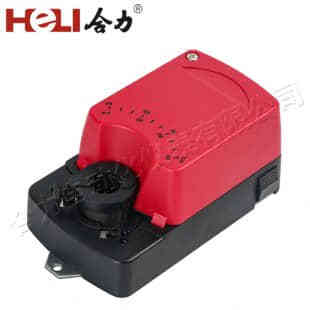
A Damper Actuator is an essential device used in heating, ventilation, and air conditioning (HVAC) systems to regulate and control the flow of air. It is responsible for adjusting the position of a damper, which is a type of valve used to control airflow in ventilation ducts. Damper actuators play a vital role in maintaining optimal airflow, ensuring energy efficiency, and creating a comfortable environment in buildings. This article explores the function, types, working principles, and applications of damper actuators in HVAC systems.
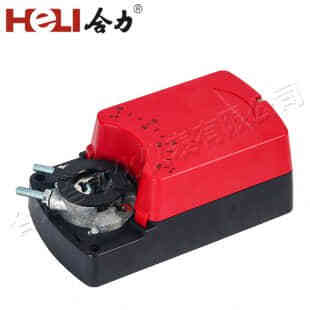
Function of Damper Actuators
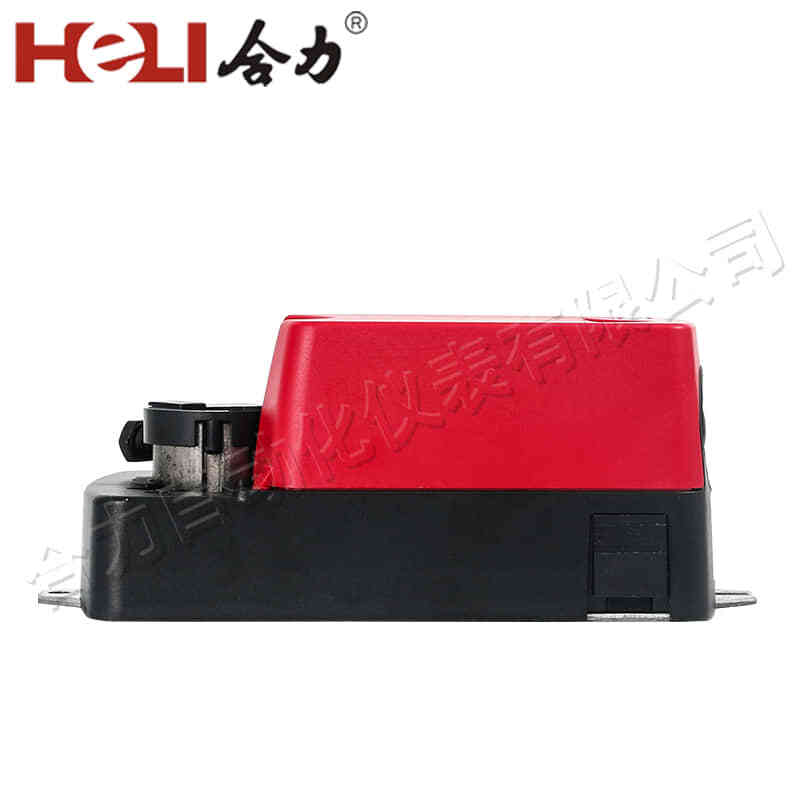
The primary function of a damper actuator is to open or close a damper, which controls the volume of air passing through ventilation ducts. By adjusting the damper position, the actuator influences the airflow rate, pressure, and distribution of air within the system. This is particularly important in large HVAC systems where multiple zones or rooms need different levels of airflow. In modern HVAC systems, precise airflow control is crucial for maintaining air quality and temperature balance. Damper actuators enable automatic regulation of airflow, which helps in optimizing heating and cooling energy usage and maintaining indoor comfort. Without damper actuators, manual adjustments would be required, leading to less efficiency and potentially higher energy costs.