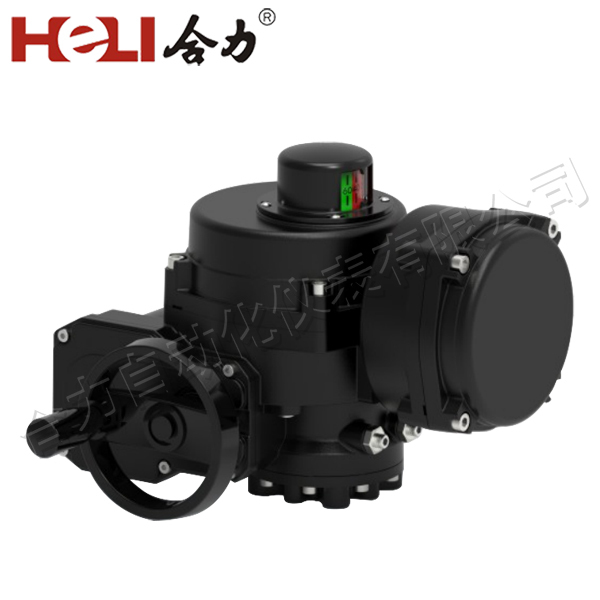
In recent years, the demand for efficient, reliable, and eco-friendly energy solutions has surged, leading to significant advancements in various technologies. Among these innovations, lithium battery electric actuators stand out as a pivotal component in the automation industry. These devices combine the advantages of lithium battery technology with electric actuation systems, enabling enhanced performance across a range of applications. This article delves into the fundamentals of lithium battery electric actuators, their operational principles, benefits, applications, and future prospects.
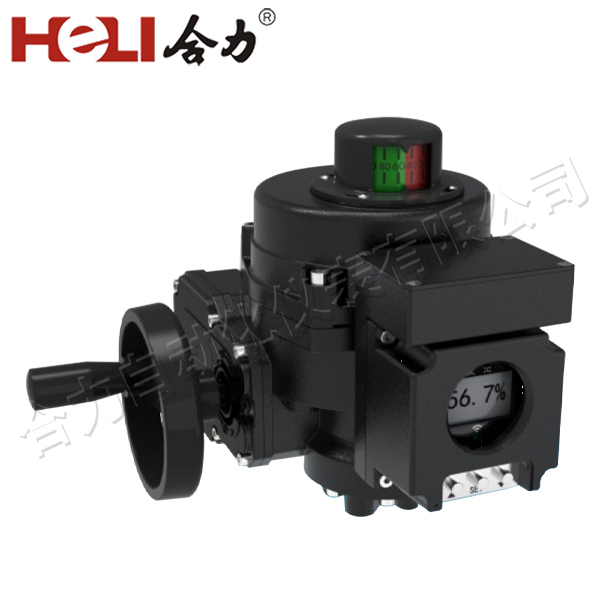
What is a Lithium Battery Electric Actuator?
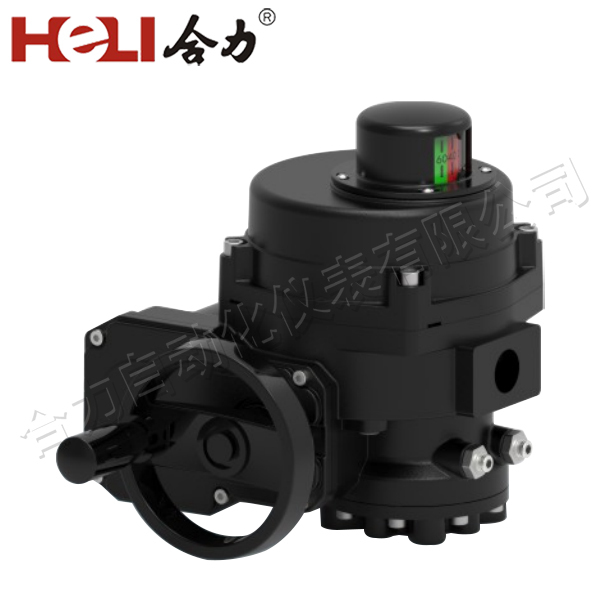
A lithium battery electric actuator is an electromechanical device that converts electrical energy into mechanical motion using a lithium-ion battery as its power source. Actuators are essential in automating processes by moving components in machinery or systems in a controlled manner. These actuators can be linear or rotary, depending on the movement they provide. By integrating lithium battery technology, these actuators offer advantages in terms of energy density, weight, and efficiency. Operating Principles The operation of a lithium battery electric actuator is relatively straightforward. The lithium-ion battery stores electrical energy and releases it when needed. This energy is fed into an electric motor, which then drives a mechanism (like a screw or a gear system) to produce motion. The actuator can be controlled via various methods, including manual switches, remote controls, or automated systems, allowing for precise and responsive actuation.