In the rapidly evolving world of battery technology, ensuring the safety of lithium-ion batteries has become a critical concern. As these batteries power a wide range of devices, from smartphones to electric vehicles, the need for effective safety mechanisms has grown substantially. One such mechanism that plays a crucial role in preventing catastrophic battery failures is the Stainless Steel Lithium Battery Valve. This valve is a small yet vital component designed to protect lithium batteries from dangerous pressure build-ups that could otherwise lead to battery rupture, leakage, or even explosions. In this article, we will explore the significance of this valve, how it works, and why it is so important in the safety of modern lithium-ion battery-powered devices.
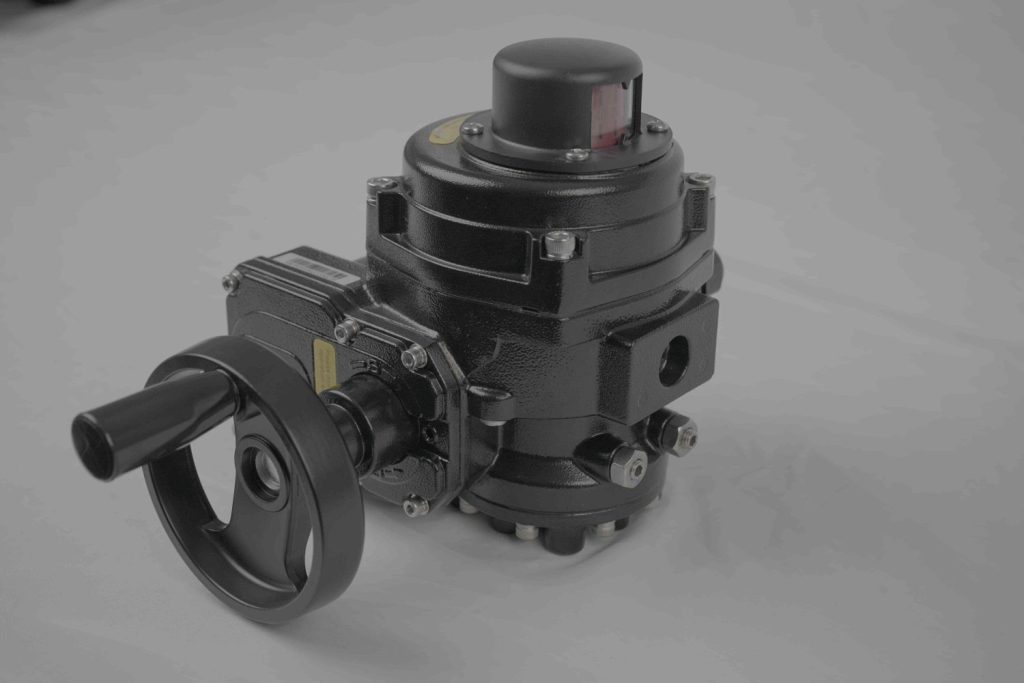
The Role of the Stainless Steel Lithium Battery Valve The Stainless Steel Lithium Battery Valve functions as a pressure relief device that ensures the safe operation of lithium-ion batteries by preventing dangerous overpressure situations. Lithium batteries are particularly susceptible to high pressure build-up due to factors such as overcharging, temperature variations, or internal chemical reactions. If the pressure inside the battery exceeds a certain threshold, the risk of a battery rupture or leakage increases significantly. This can lead to fire hazards, toxic gas emissions, or even explosions in extreme cases.