The electric two-seat regulating valve is a crucial component in various industrial processes for controlling fluid flow, pressure, and temperature. It combines advanced design features with electric actuation to deliver precise control and efficient operation in diverse applications. This article delves into the fundamental aspects of electric two-seat regulating valves, including their design, functionality, and range of applications, highlighting their significance in modern industrial automation.
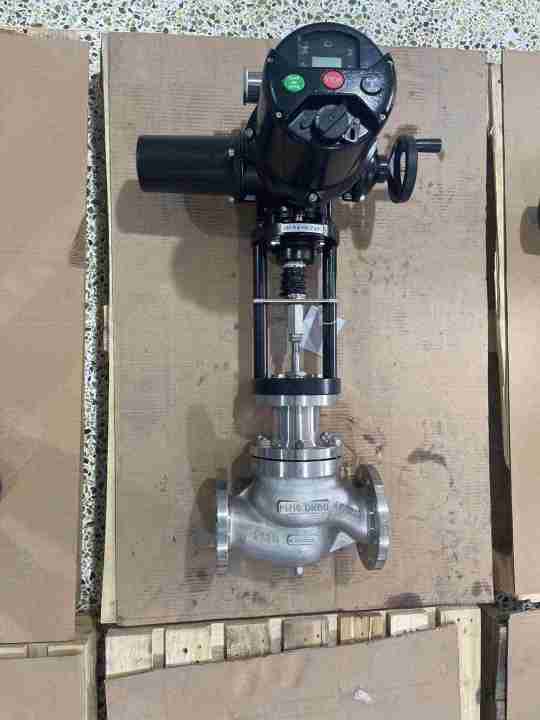
Design Features Electric two-seat regulating valves are characterized by their dual seating arrangement, which allows for higher flow capacity compared to single-seat valves. This design is particularly advantageous in processes requiring significant flow rates and pressure differentials. The two seats work together to regulate the flow more efficiently, offering a linear flow characteristic that is essential for precise flow control. The construction of the valve typically consists of a valve body, two valve seats, and a valve stem. The valve stem is controlled by an electric actuator, which can be an electric motor or a positioner. These actuators convert electrical signals—often 4-20 mA analog signals—into mechanical movement, thereby adjusting the valve’s opening in response to control requirements.