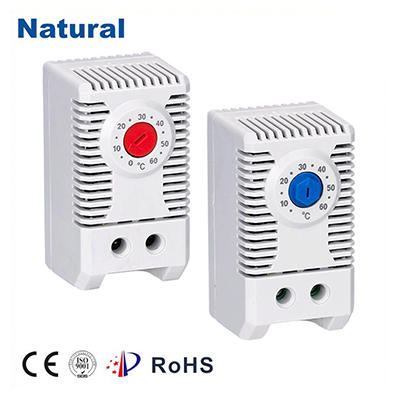
A bimetal thermostat is a temperature-sensing device that plays a crucial role in regulating the temperature in various systems, such as household appliances, industrial machines, and even automotive engines. The device consists of two different metals with distinct thermal expansion rates, which are bonded together to form a bimetallic strip. This simple yet effective mechanism has been widely used for temperature regulation due to its reliability and cost-effectiveness. In this article, we will explore the function, applications, and advantages of bimetal thermostats.
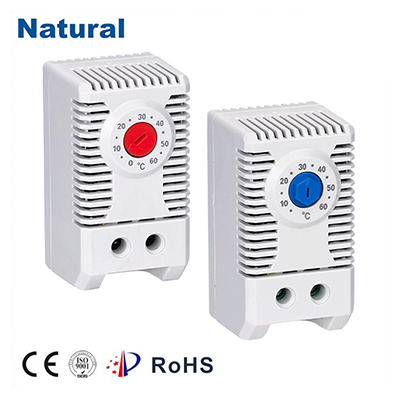
Function of a Bimetal Thermostat
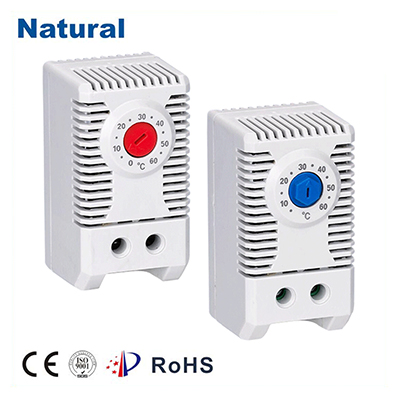
The basic operating principle of a bimetal thermostat relies on the differing expansion properties of two metals. When heated, each metal expands at a different rate, causing the bimetallic strip to bend. The bending of the strip is proportional to the temperature change, and this movement is used to open or close an electrical contact, which controls the heating or cooling system. The thermostat typically has two states: a “closed” position, where the circuit is complete and heating occurs, and an “open” position, where the circuit is broken, and the system is turned off. The bimetal thermostat is designed with a specific temperature set point in mind. When the temperature rises beyond a certain threshold, the metal strip bends and triggers a mechanism that interrupts the electrical current. Conversely, when the temperature drops, the strip returns to its original position, allowing the circuit to close again. This on-off switching mechanism is ideal for regulating temperature in systems where precise temperature control is not as critical but still necessary for efficient operation.