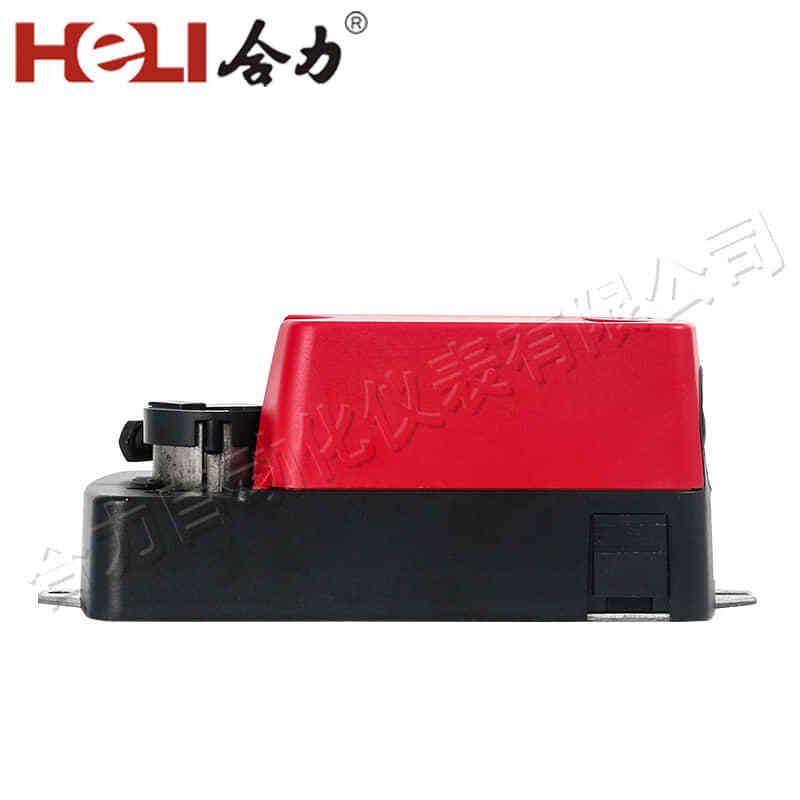
Damper actuators are crucial components in HVAC (Heating, Ventilation, and Air Conditioning) systems. These devices control the movement of dampers, which regulate airflow and ensure the efficient operation of air handling units, ducts, and ventilation systems. Whether they are regulating temperature, humidity, or air quality, damper actuators play a pivotal role in maintaining the optimal function of HVAC systems across various industries. This article delves into the significance of choosing the right Damper actuator OEM manufacturer and highlights key considerations for selecting the best one.
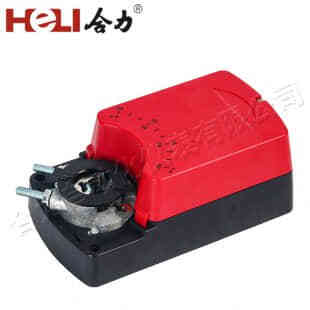
Understanding Damper Actuators
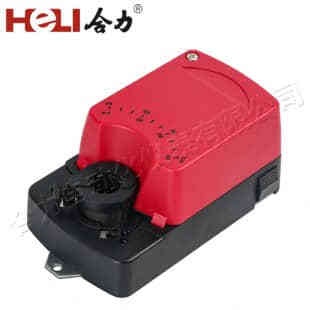
A damper actuator is a mechanical device used to operate a damper within a duct or ventilation system. The damper itself is typically a metal plate or blade that opens or closes to control the volume of air flowing through the system. Damper actuators apply the necessary force to move these dampers into the correct position, either fully open, fully closed, or anywhere in between. The actuator mechanism may be powered by electric, pneumatic, or hydraulic systems, with electric actuators being the most common in modern HVAC applications. Key Roles of Damper Actuators Flow Control: Damper actuators are used to regulate airflow within HVAC systems. By adjusting the damper’s position, they control the volume of air that passes through ducts, improving energy efficiency and maintaining desired environmental conditions.