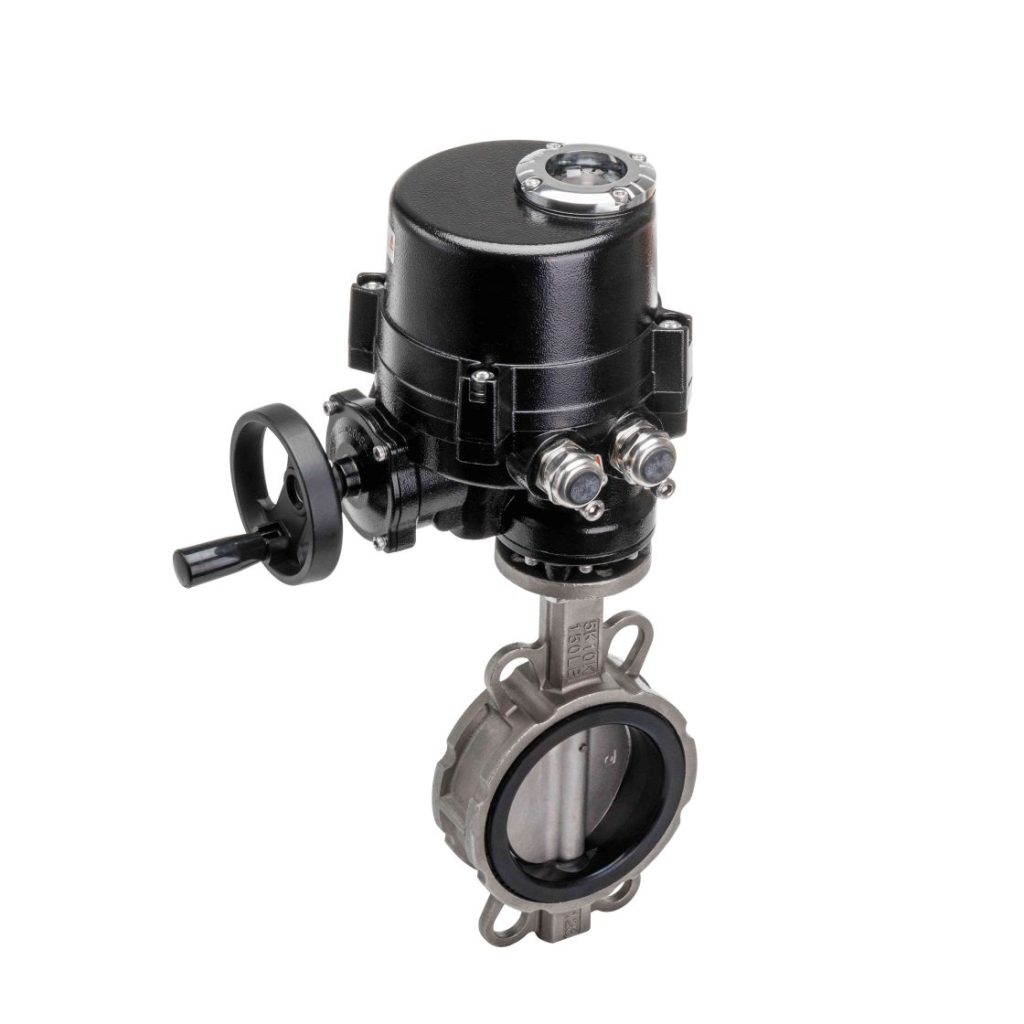
The WCB Electric Clamp Butterfly Valve is a highly specialized valve designed to provide efficient fluid control in a variety of industrial applications. Known for its reliability and innovative features, this valve offers a superior solution for handling fluids in both high-pressure and low-pressure environments. The electric actuator paired with the valve allows for precise control, making it a preferred choice in sectors like chemical processing, water treatment, oil and gas, and HVAC systems. This article explores the features, benefits, and applications of the WCB Electric Clamp Butterfly Valve, explaining why it is considered an essential tool in modern fluid control systems.
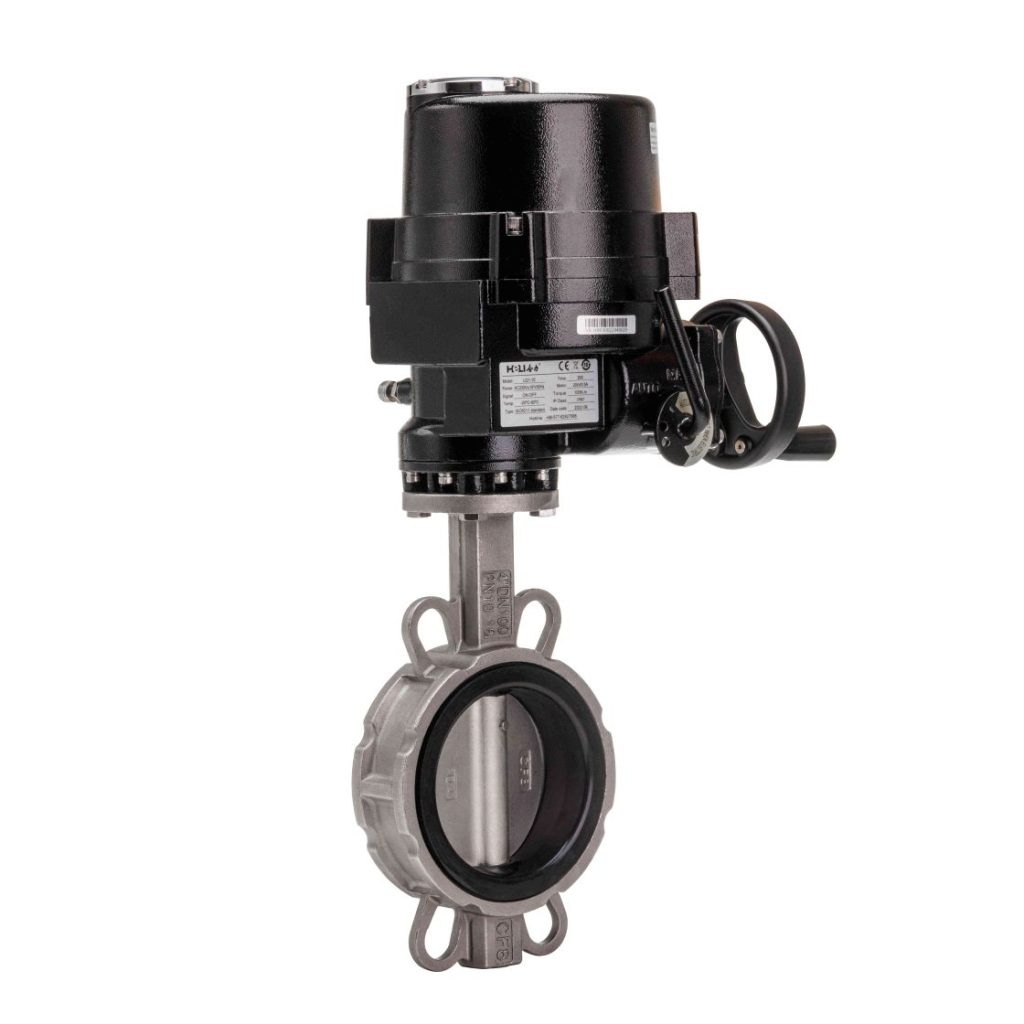
What is a WCB Electric Clamp Butterfly Valve?
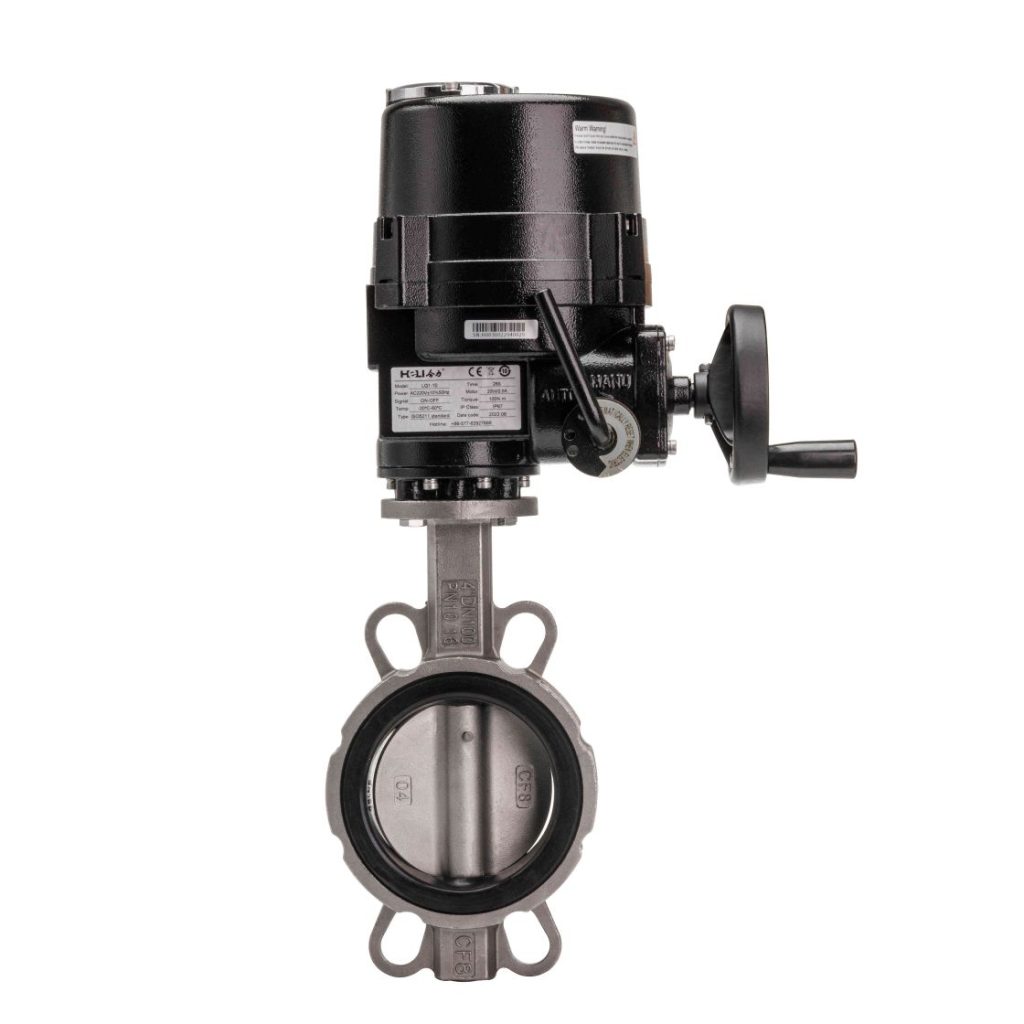
The WCB Electric Clamp Butterfly Valve is a type of valve that uses a circular disc to control the flow of liquids or gases. “WCB” stands for “Wrought Carbon Steel,” which indicates the material used to construct the valve. The “electric” aspect refers to the electric actuator that powers the valve, enabling automated control. The clamp design facilitates easy installation and maintenance, making this valve an attractive option for various industries. The valve operates by rotating the disc within the pipe. When the valve is in the closed position, the disc blocks the flow, while rotating it to a different angle allows the fluid or gas to flow freely. The electric actuator ensures that the valve opens or closes based on a pre-set command, often controlled via a central system.