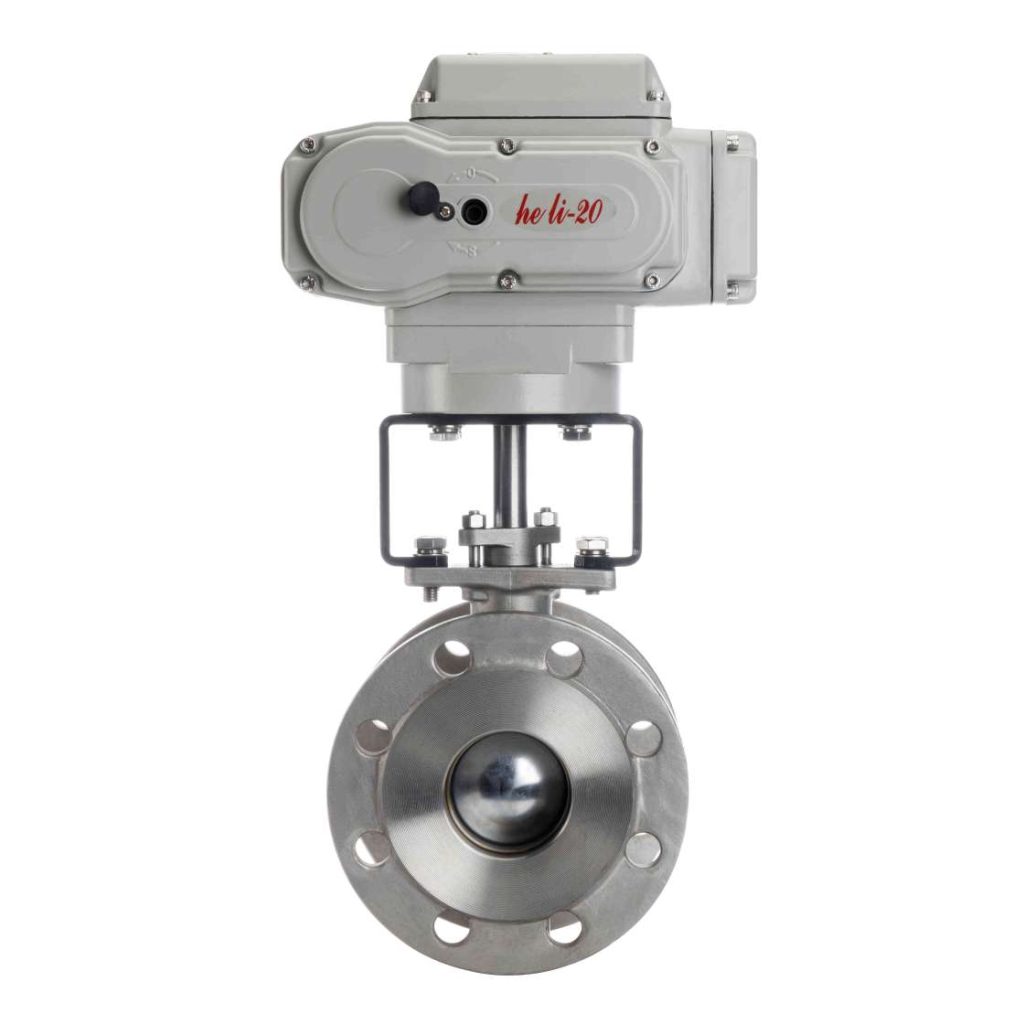
The Electric V-ball valve is gaining popularity in various industries due to its precision control, efficiency, and innovative design. This valve type not only enhances the performance of fluid systems but also plays a critical role in improving automation processes across multiple sectors. Understanding its structure, functionality, advantages, and applications can help in making informed decisions regarding its implementation in industrial processes.
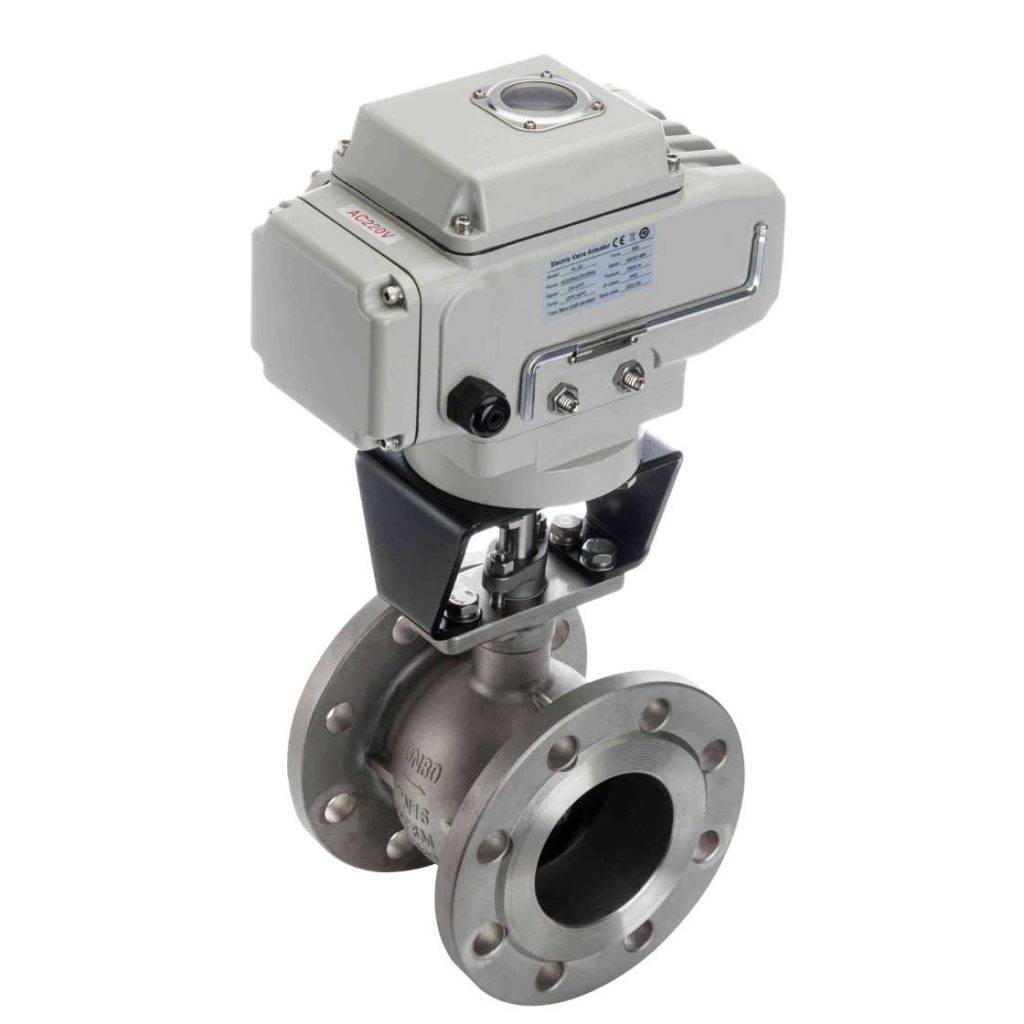
Structure and Functionality
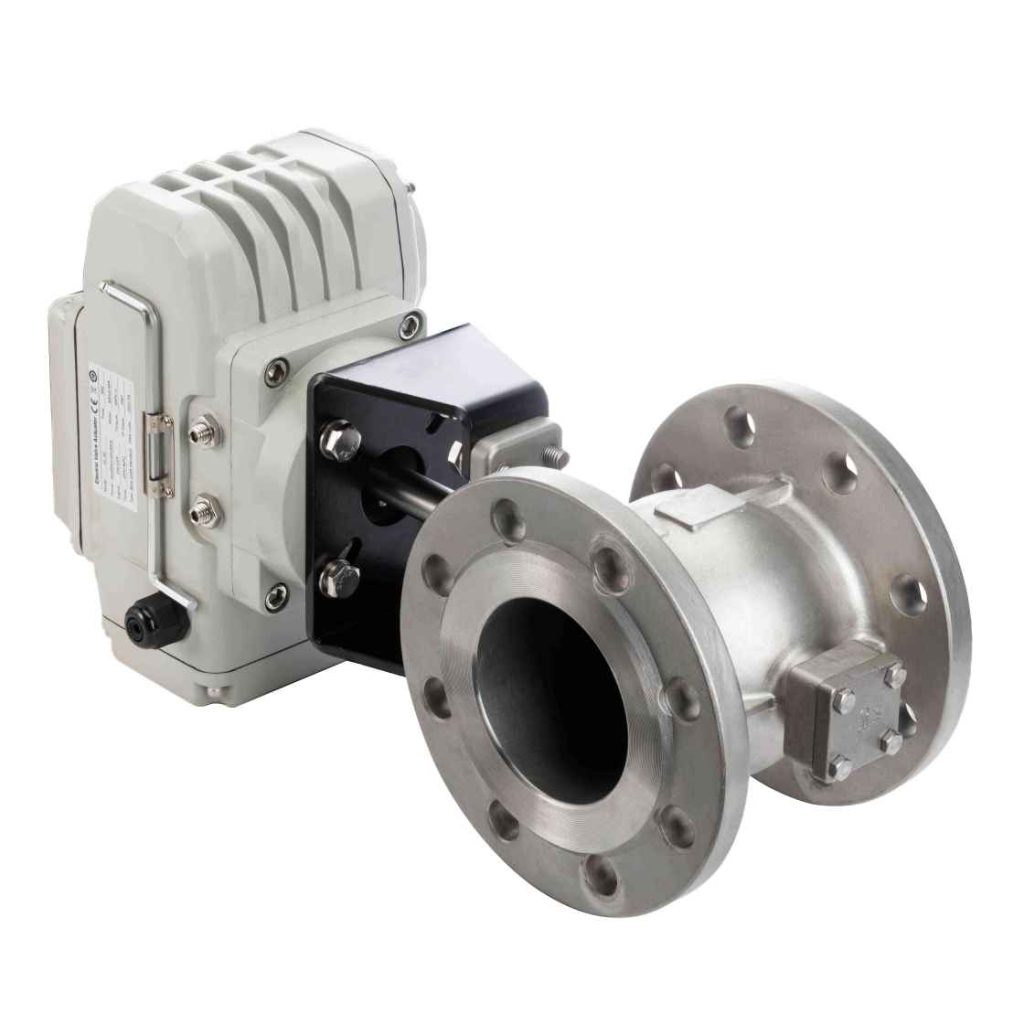
The Electric V-ball valve features a unique V-shaped port on its ball, allowing for optimal flow control and better throttling capabilities compared to standard ball valves. The design of the V-ball facilitates a linear flow characteristic, enabling finer adjustments to fluid flow rates. This attribute is particularly advantageous in applications requiring precise control over medium flow, such as in chemical mixing and dosing processes. Equipped with an electric actuator, the Electric V-ball valve can be controlled remotely via electric signals. This allows for seamless integration into automated systems, which can help monitor and adjust flow rates in real-time. The actuator typically employs various control methods, including on/off control and modulating control, adapting to different operational needs and enhancing overall efficiency.