In the realm of industrial automation and fluid control, the Electric Two-Seat Regulating Valve has emerged as a pivotal device, playing a significant role in regulating the flow of various fluids and gases. Designed for precision and efficiency, this valve type is highly sought after across various industries, including oil and gas, chemical processing, pharmaceuticals, and HVAC systems. This article aims to delve into the functionality, advantages, and applications of the Electric Two-Seat Regulating Valve.
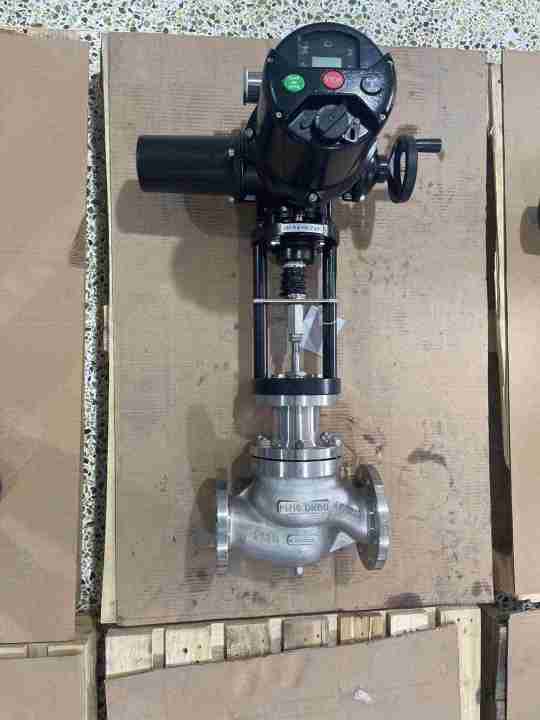
Structure and Working Principle The Electric Two-Seat Regulating Valve consists of several key components: the valve body, valve seats, valve plug (or disk), and an electric actuator. The unique design of the two-seat mechanism facilitates an enhanced flow characteristic, which allows for greater control over fluid dynamics. The valve body houses the two seats where the plug moves up and down to open or close the valve, effectively regulating fluid flow. The working principle is relatively straightforward. The electric actuator converts electrical signals into mechanical movements. When a control signal is received—often from a control system such as a PLC or a Distributed Control System (DCS)—the actuator adjusts the position of the valve plug. By moving the plug closer to or further from the valve seats, the actuator can precisely control the flow rate of the fluid passing through the valve.