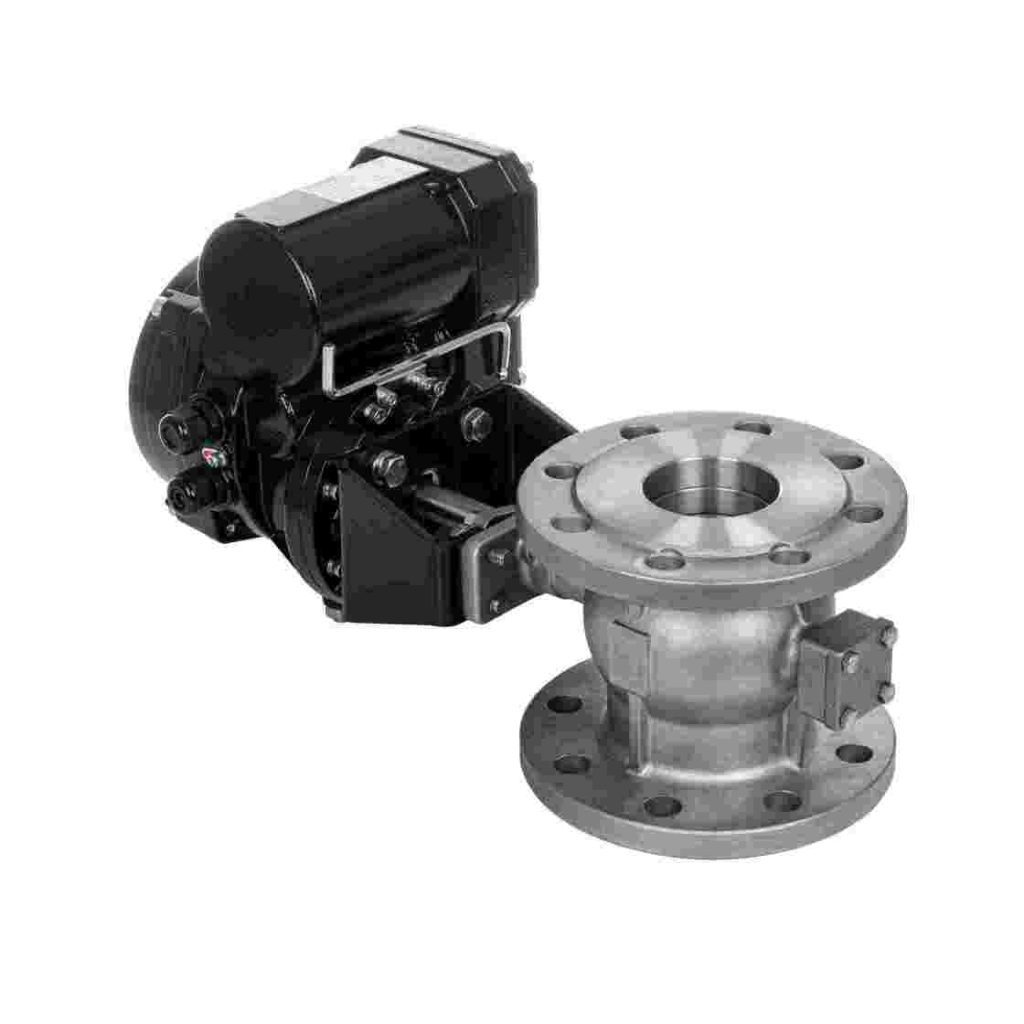
As the world transitions towards sustainable energy sources, hydrogen has emerged as a leading candidate to power the future. Hydrogen energy systems, especially in the form of hydrogen fuel cells, are anticipated to play a pivotal role in reducing carbon emissions and promoting cleaner alternatives to fossil fuels. One crucial component in these systems is the Hydrogen Energy Electric Valve. These valves are vital for controlling the flow of hydrogen gas within fuel systems, storage, and transportation, ensuring both safety and efficiency in highly sensitive environments. This article will explore the significance of the hydrogen energy electric valve, its working principles, and its applications in the growing hydrogen energy sector.
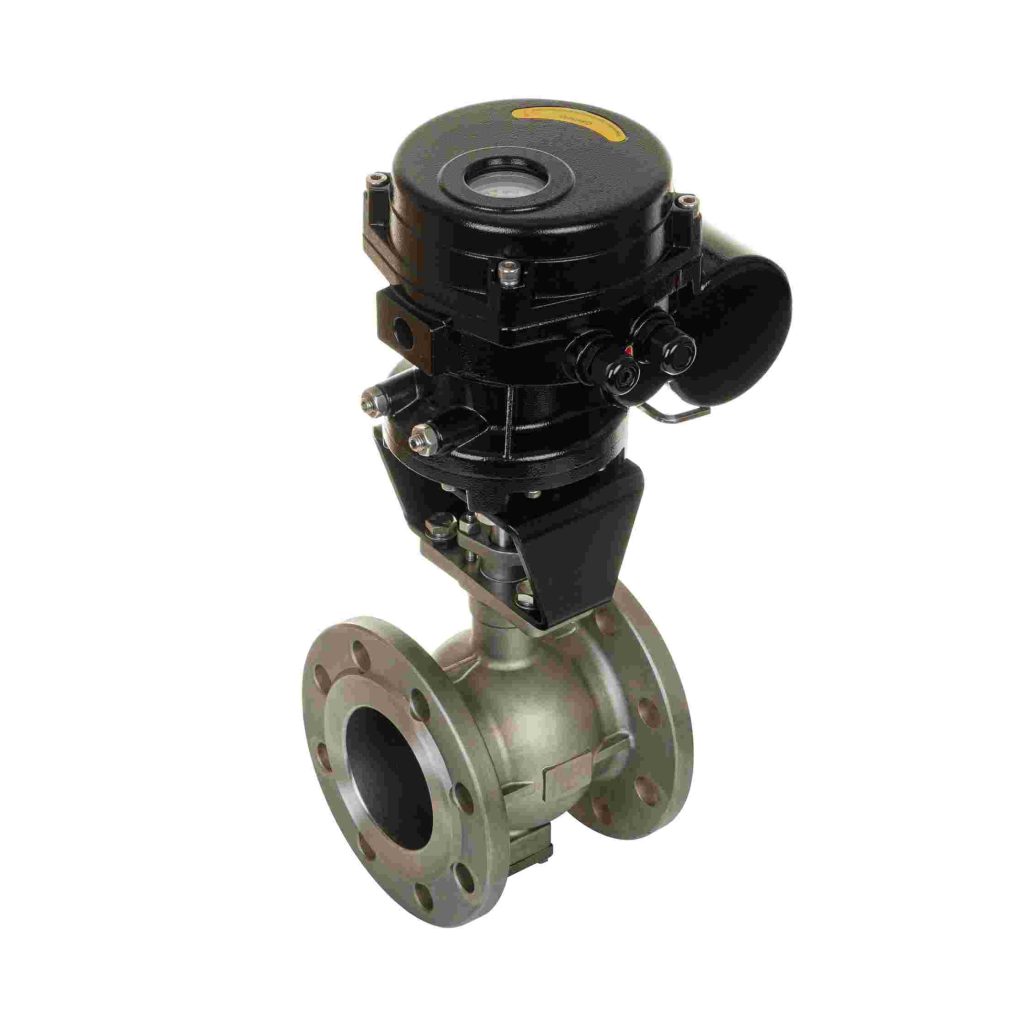
What is a Hydrogen Energy Electric Valve?

A Hydrogen Energy Electric Valve is an electrically controlled valve designed specifically for managing the flow of hydrogen gas in various energy systems. It operates using electric signals to open or close the valve, regulating the flow of hydrogen in a controlled and safe manner. The valve is typically part of a broader control system that monitors parameters such as pressure, flow rate, and temperature. This makes it an integral component in applications that involve hydrogen production, storage, and distribution. Importance of Hydrogen Energy Electric Valves Hydrogen is a highly flammable and volatile gas, which presents unique challenges when used in energy systems. The handling and transportation of hydrogen require specialized equipment designed to prevent leaks, ensure safe pressurization, and facilitate efficient flow. Hydrogen energy electric valves serve as critical safety and operational components by: