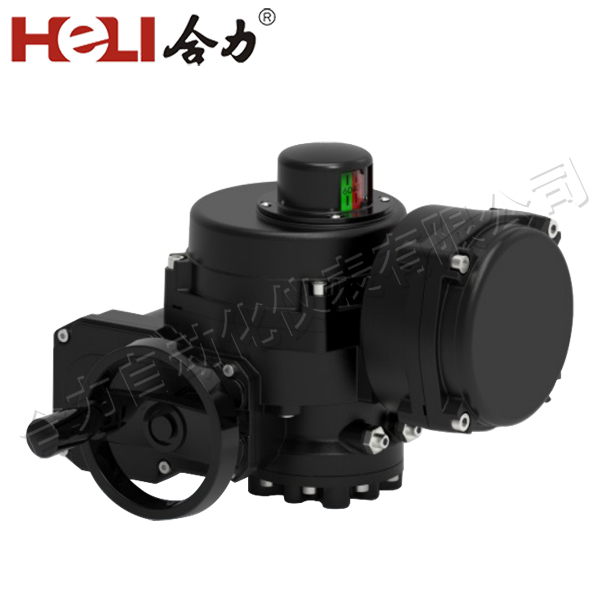
In the modern era of technological advancement, automation has become the cornerstone of innovation across various industries. One of the key players driving this revolution is the Lithium Battery Electric Actuator (LBEA). These advanced devices offer several benefits over traditional actuators, primarily due to their integration of lithium battery technology. As industries continue to push for efficiency, sustainability, and reliability, lithium battery electric actuators stand poised to become a game-changer. In this article, we will explore the working principles, advantages, and applications of lithium battery electric actuators, highlighting how they are reshaping automation systems worldwide.
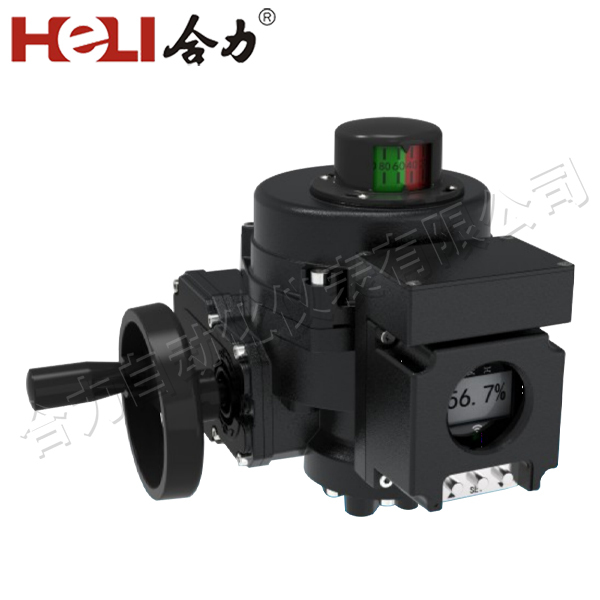
What Is a Lithium Battery Electric Actuator?
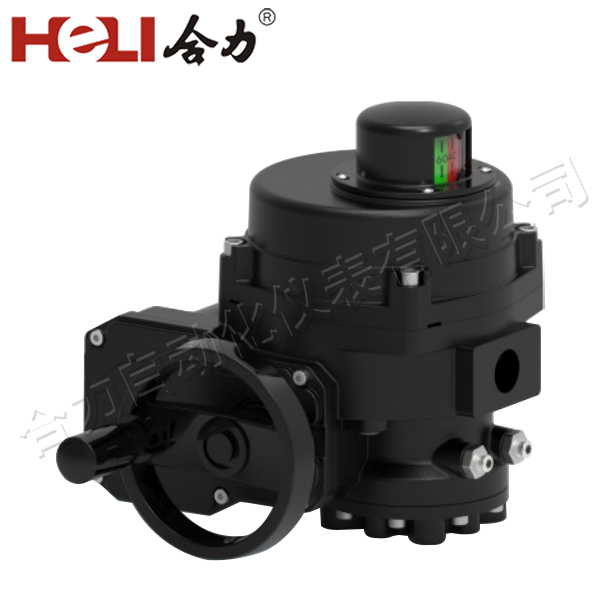
An actuator is a mechanical device that converts energy, usually electrical or hydraulic, into physical motion. Electric actuators are typically powered by electric motors, and when paired with lithium battery technology, they offer a highly efficient and flexible solution for powering automation systems. A lithium battery electric actuator incorporates a lithium-ion battery to provide energy, enabling the actuator to function without relying on traditional power sources like electricity grids or pneumatic systems. Lithium batteries are preferred for their lightweight nature, high energy density, and long lifespan compared to other types of batteries, making them an ideal match for electric actuators. By combining these two technologies, LBEAs deliver a powerful and efficient solution for a variety of applications.